Toenail Fungus in Leesburg
Toenail fungus treatments in Leesburg, VA focus on relieving infection and restoring healthy nails safely and effectively. Local specialists offer a range of options tailored to each patient’s condition, from topical and prescription medications to advanced in-office procedures. Fungal infections can be stubborn and slow to heal, so personalized care helps improve outcomes and reduce recurrence. Consulting a foot specialist early on ensures the right treatment plan for your needs and lifestyle.
Here’s an overview of toenail fungus infections in Leesburg, VA, including what they are, common symptoms, and where you can seek help locally.
Toenail fungus (onychomycosis) is a fungal infection that affects the toenail and nail bed. The fungus thrives in warm, moist environments, such as sweaty shoes or public shower floors, and can lead to thickened, discolored, brittle, or distorted nails. If left untreated, the infection can worsen, potentially causing pain or nail separation from the nail bed.
Symptoms often include yellowing or browning of the nail, thickened texture, and a dull or crumbly appearance. In some cases, the infected nail may lift slightly and trap debris underneath, which can produce a foul smell or discomfort when wearing shoes. People with diabetes or weakened immune systems should pay extra attention, as complications can be more serious.
If you suspect you have a fungal toenail infection in Leesburg, seeing a foot specialist (podiatrist) can help confirm the diagnosis and guide appropriate treatment. Treatment options may include topical or oral antifungal medications, and in some practices, laser therapy is offered to target the fungus deep within the nail with minimal discomfort. Early professional care improves the chance of clearing the infection and preventing it from spreading to other toes or feet.
Tips to Prevent Toenail Fungus
Preventing toenail fungus starts with keeping your feet clean and dry. Fungi thrive in warm, moist conditions, so reducing moisture is essential. Dry your feet thoroughly after bathing, especially between the toes. Choose moisture-wicking socks and change them if they become damp during the day. Allow your shoes to dry completely before wearing them again, and rotate pairs to reduce trapped humidity.
Good hygiene habits also play a big role in prevention. Always wear sandals or shower shoes in public locker rooms, pools, and gym showers. These areas often contain fungal spores that can cling to wet skin. Trim your toenails straight across and keep them at a moderate length to reduce injury and prevent fungi from entering the nail bed. Disinfect nail tools regularly, especially if you share them with others.
Choosing the right footwear helps protect your nails as well. Wear breathable shoes that allow airflow and reduce sweat buildup. Avoid tight shoes that put pressure on the toes, as nail trauma makes infections more likely. Using antifungal sprays or powders in your shoes can also help control moisture and odor, reducing the chance of fungal growth.
Regular foot checks can prevent minor issues from becoming serious infections. Look for changes in nail color, texture, or thickness. Early detection makes treatment much easier and more effective. By combining good hygiene, protective habits, and proper footwear, you can significantly lower the risk of toenail fungus infections.

Home Remedies for Toenail Fungus
Several home remedies may help manage mild toenail fungus infections, especially in the early stages. One common option is tea tree oil, a natural antifungal that many people apply directly to the affected nail. Using a cotton swab, a small amount can be applied once or twice daily. Some individuals notice a gradual improvement in discoloration and nail texture with consistent use. However, tea tree oil can irritate sensitive skin, so it should be used cautiously.
Another popular remedy is soaking the feet in diluted vinegar. Vinegar creates an acidic environment that may slow fungal growth. A typical mixture is one part vinegar to two parts warm water, with a soak lasting 15–20 minutes daily. While this method does not cure severe infections, many people find it helpful for reducing mild symptoms and keeping the nails cleaner.
Some also use baking soda to manage moisture around the feet. Baking soda does not kill fungus, but it helps absorb sweat and odor, creating conditions less favorable for fungal growth. It can be sprinkled in shoes or added to foot baths. Coconut oil is another natural option with mild antifungal properties. Applying a thin layer to clean, dry nails may help soften thickened areas and support the nail’s appearance over time.
Although home remedies can support mild cases, they often work slowly and may not eliminate deeper infections. Toenail fungus can become stubborn, so persistent or worsening symptoms should be evaluated by a healthcare provider. Combining home care with professional treatment offers the best chance for full recovery.

Things to do while Visiting Leesburg, VA
Laser Toenail Fungus Treatment in Leesburg, VA
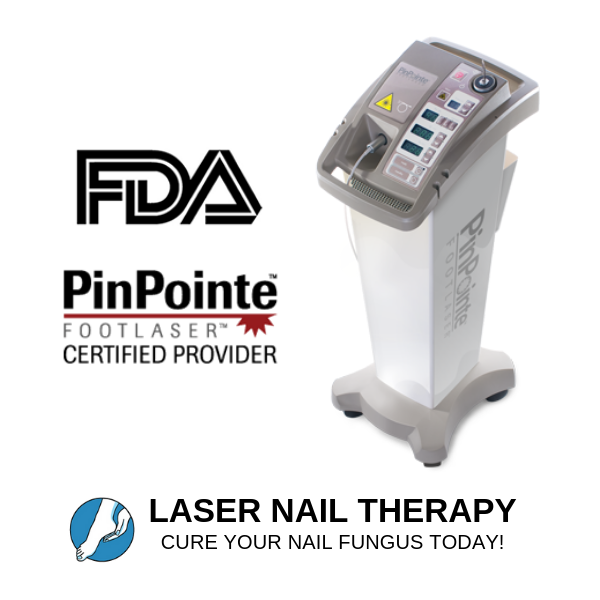
If you have caught nail fungus, it can be easily treated using the FDA-approved PinPointe laser, which typically only takes one treatment. Other treatments, like topical solutions and oral medication, are not as effective. Topical solutions have a very low cure rate. This is because the solution does not penetrate all the way through the nail bed. Oral medication has a higher cure rate than topicals, but our nail doctors do not recommend it. This is because it can lead to liver toxicity. You would need to have consistent blood tests throughout the course of taking the medication.
Our nail doctor in Leesburg, VA, recommends this treatment for toenail fungus. The PinPointe Laser treatment has the highest cure rate in the market. It has no side effects and no recovery period. As a result, you can go about your daily activities right after the treatment. Also, there’s no pain.
If you have any signs of nail fungus, call us at 800-672-0625 at our Leesburg, VA location, or visit our website for more information on our doctors at one of our over 150 locations.