Nail Fungus in Children: Symptoms, Risks, and Treatment Options
Nail fungus in children is less common than in adults, but it can still occur and should not be ignored. It often appears as a yellow, white, or brown discoloration of the toenail. The nail may become thick, brittle, or crumbly over time. Children may or may not feel pain, but the infection can slowly worsen if untreated. Walking or wearing shoes may eventually become uncomfortable.
Nail fungus is usually caused by fungi that thrive in warm, moist environments. Shared showers, pools, and locker rooms can increase exposure. Tight or sweaty shoes can also contribute to infection. Early diagnosis by a healthcare provider is important. Treatment options for children may include topical antifungal medications. Oral medications are sometimes used but are less common in young children.
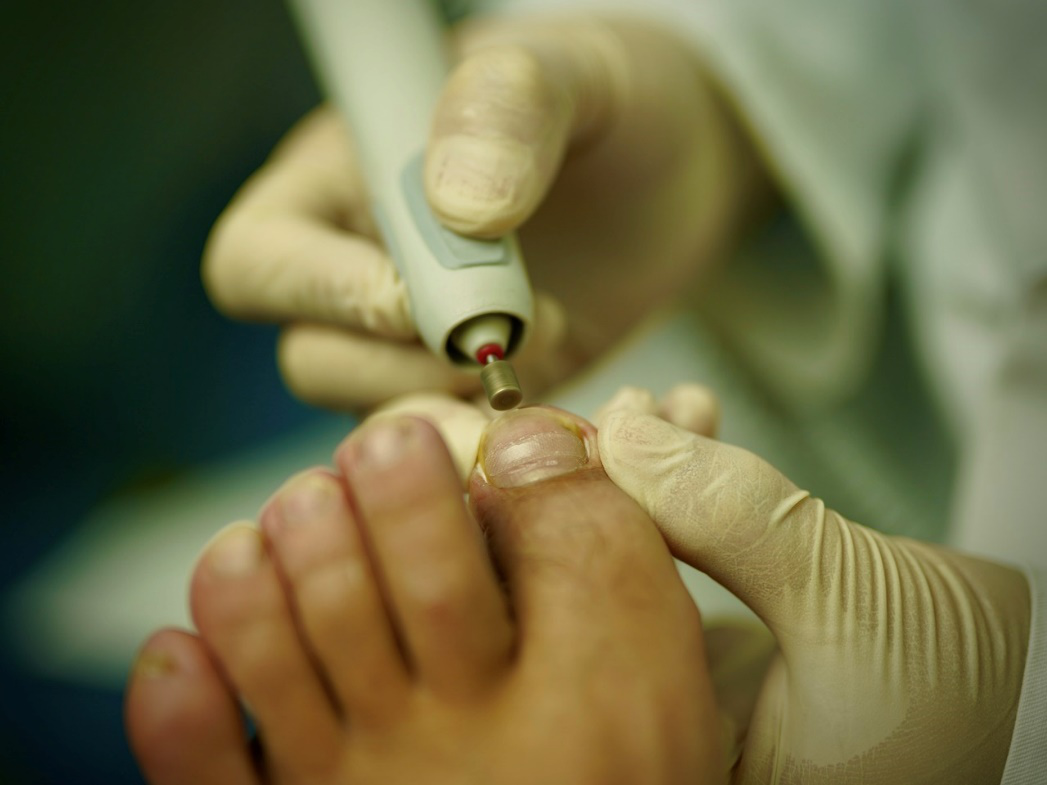
Laser treatment is a gentle and effective option for many cases. Good foot hygiene is also essential during treatment. Keeping feet clean and dry helps prevent reinfection. Children should wear breathable shoes and moisture-wicking socks. Avoiding barefoot walking in public areas can reduce risk. Regular nail trimming and proper nail care are also helpful.
Explanation for Nail Fungus in Children
Nail fungus in children, also called onychomycosis, is an infection of the nails caused by fungi. It can affect both toenails and fingernails, though toenails are more commonly involved. The infection occurs when fungi invade the nail through tiny cracks or cuts. Infected nails often become discolored, turning white, yellow, or brown. They may also thicken, become brittle, or crumble at the edges. Some children may notice a foul odor coming from the affected nail. In mild cases, nail fungus may not cause pain, but severe infections can make walking or wearing shoes uncomfortable. The infection can spread slowly if left untreated, potentially affecting multiple nails. Children are more susceptible if they frequently walk barefoot in damp areas or share personal items like shoes and nail clippers.
Certain skin conditions, such as athlete’s foot, can increase the risk of nail fungus. Warm, moist environments provide ideal conditions for fungal growth. Nail trauma or minor injuries can make it easier for fungi to enter. Children with weaker immune systems may be more prone to infection. Symptoms may develop gradually, making early detection important. Diagnosis is usually confirmed by a healthcare provider through visual examination or lab testing. Untreated nail fungus can persist for months or even years.
Symptoms of Nail Fungus in Children
Nail fungus in children can present with several noticeable symptoms. The most common sign is discoloration of the nail, which may turn white, yellow, brown, or even black. Infected nails often become thicker than normal and may feel brittle or crumbly at the edges. Some nails may develop ridges or an uneven surface. The nail may start to separate from the nail bed, a condition known as onycholysis.
A foul or unusual odor can sometimes accompany the infection. In mild cases, children may not experience any discomfort, but severe infections can cause pain or tenderness. Walking or wearing shoes may become uncomfortable if the infection worsens. The nail may appear dull rather than shiny. Crumbling at the tip or sides of the nail is another common symptom. Nails may grow more slowly than usual while infected.
Multiple nails can be affected simultaneously, though infections often start in one nail. Minor trauma or injury can make symptoms more noticeable. Children may scratch or pick at the nail, worsening the infection. Toenails are more commonly affected than fingernails. Symptoms often develop gradually, making early detection challenging. Untreated infections can persist for months or even years. Observing changes in nail color, thickness, or texture is crucial for early intervention.
How do Children Contract Nail Fungus?
Children can contract nail fungus through direct contact with fungal spores in warm, moist environments. Shared public areas like swimming pools, locker rooms, and community showers are common sources. Walking barefoot in these places increases the risk. Fungus can also spread from another family member with an active infection. Sharing nail clippers, shoes, or socks can transfer the fungus. Tight or sweaty shoes create conditions where fungus can grow easily. Minor nail injuries make it easier for fungus to enter. Poor foot hygiene can also contribute to infection. Wearing damp socks for long periods encourages fungal growth. Certain skin conditions, like athlete’s foot, can spread to the nails.
Nail Fungus Treatment Options for Children
Nail fungus in children can be treated through several safe and effective options. Topical antifungal medications are often the first choice and are applied directly to the affected nails. However, they are not very effective for treating an active infection and have a success rate of less than 10%. In some cases, a doctor may prescribe oral antifungal medications, though they are used more cautiously in children. They come with potential side effects, including liver toxicity. Routine blood testing to monitor the liver is necessary during the course of treatment, and the average cure rate is only around 60%. The most advanced option for nail fungus treatment is laser therapy.
Schedule a Free Consultation
If you have any signs of nail fungus, don’t wait. Our nail doctors offer the Pinpointe laser treatment, the most effective and safe method for curing nail fungus. Call us today at (800) 672-0625 or visit our website to schedule a free consultation at a location near you.