Funky Toenail Debris vs. Toenail Fungus
Funky toenail debris is a common and often troubling sign of a toenail fungus infection. It develops when fungal organisms invade the nail, breaking down healthy nail tissue. This process causes a buildup of discolored, crumbly material beneath the nail.
As the infection progresses, the debris can thicken and push the nail away from the nail bed. Many people notice changes in nail appearance, texture, and comfort. Understanding what causes funky toenail debris is the first step toward effective treatment and healthier nails.
Funky toenail debris is a common sign of a toenail fungus infection. It often collects under the nail. The buildup may appear chalky, yellow, or white.
This debris forms as fungus breaks down keratin in the nail. Dead nail material mixes with fungal organisms. The nail may begin lifting from the nail bed. As debris increases, nails can feel thick and uncomfortable. Shoes may cause pressure or pain. Trimming the nail becomes difficult and uneven. The debris can produce an unpleasant odor in some cases. Moist environments make the smell worse. Keeping nails clean helps reduce buildup.
Ignoring toenail debris can allow the infection to spread. Fungus may move to nearby nails or skin. Early treatment helps clear debris and restore nail health.
Eliminating Funky Toenail Debris
Eliminating funky toenail debris starts with proper nail care. Keep nails trimmed short and clean. Regular trimming reduces buildup under the nail.
- Gently clean under the nail after washing feet. Dry the area thoroughly to remove moisture. Avoid digging aggressively, which can cause injury.
- Topical antifungal treatments help reduce fungus and debris. Apply medication consistently as directed. Results improve with daily use over time.
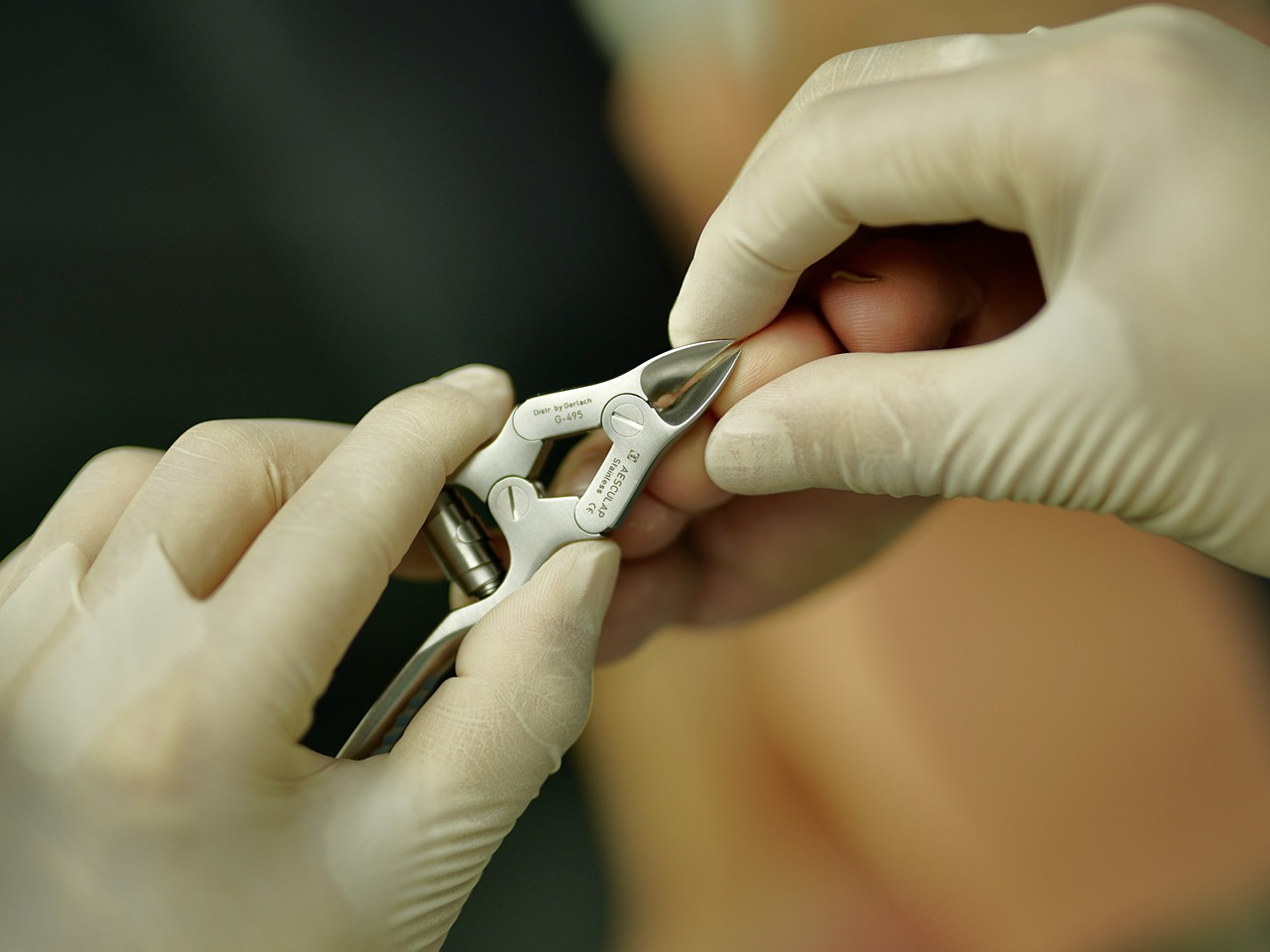
- Professional nail debridement can safely remove thick debris. Podiatrists use sterile tools for effective cleaning. This improves treatment penetration and comfort.
- Disinfect shoes and socks to prevent reinfection. Wash socks in hot water after each use. Use antifungal sprays inside footwear regularly.
Severe infections may require prescription oral medication. These treatments target the fungus from within. Medical guidance ensures safe and effective results.
Common Home Remedies for Toenail Fungus
Many people try several home remedies to manage toenail fungus before seeking medical treatment. One common option is tea tree oil, known for its natural antifungal properties. Some people apply it directly to the nail each day. While it may help mild cases, results are often slow and inconsistent because the oil struggles to penetrate thickened nails.
Another widely used remedy is vinegar soaks. Soaking the feet in a mixture of water and vinegar is believed to create an acidic environment that discourages fungal growth. This method may help reduce odor and mild discoloration but rarely eliminates a deeper infection. Vinegar is gentle, but it does not fully reach fungus under the nail bed.
Some individuals also try Vicks VapoRub due to its menthol, camphor, and eucalyptus oil ingredients. A few people report improvements in nail appearance over time. However, it mainly provides cosmetic changes rather than a complete cure. The fungus often continues growing beneath the surface.
Garlic is another popular remedy because it contains antifungal compounds. People may crush fresh garlic or use garlic oil around the affected nail. While it may offer minor benefits, it can irritate skin and does not reliably treat moderate or severe infections. Overall, home remedies may offer small improvements, but professional treatments remain the most effective way to cure toenail fungus.
Treatment Options for Toenail Fungus
If you do find yourself with a nail fungus infection, there are several treatment options recommended by foot doctors. Here are some of the common approaches:
- Topical treatments: Over-the-counter creams can help prevent nail fungal infections. However, they are not very effective for treating an active infection and have a success rate of less than 10%. These creams are most useful as preventive measures or for mild cases of nail fungus.
- Oral antifungal medication: Medications are commonly prescribed for more severe cases of nail fungus. However, they come with potential side effects, including liver toxicity. Routine blood testing to monitor your liver is necessary during the course of treatment, and the average cure rate is only around 60%.
- Laser treatment: The most advanced option for nail fungus treatment is laser therapy. Laser treatment offers a non-invasive and effective approach to eliminating nail fungus. Various lasers are available, with differing success rates and FDA approvals. The PinPointe laser treatment, approved by the FDA, is a highly effective option, typically requiring only one session and offering no downtime or pain. It targets the fungus directly, penetrating the nail and killing the infection at its source.
For nail fungus treatment, we highly recommend the PinPointe Laser as it boasts the highest cure rate in the market. It has no side effects, you can go about your daily activities right after, and it is a painless procedure.
We Offer Free Consultations
We offer free consultations to see if laser treatment is right for you. At our clinic, laser nail therapy with the PinPointe Footlaser is our specialty. We focus on this treatment because it offers a safe, effective, and medication-free solution for stubborn toenail fungus. We understand how frustrating it can be to deal with thick, discolored nails and how overwhelming it is to sort through different treatment options.
During this consultation, our foot doctors will evaluate your nails, discuss your health history, and determine whether laser treatment is the best choice. During your consultation, we will:
- Examine your nails to confirm the diagnosis and assess severity.
- Explain exactly how the PinPointe FootLaser works and what you can expect during and after treatment.
- Give you a realistic timeline for seeing clearer, healthier nails.
- Answer any questions you have about nail care and preventing reinfection.
Our goal is to help you confidently move forward with a treatment plan that finally addresses your toenail fungus safely and effectively, without the side effects or drug interactions of oral medications.