Nail Lifting vs. Toenail Fungus
Why is my nail lifting? Nail lifting is a common nail condition where the nail separates from the nail bed. It often starts at the tip and slowly moves backward. This separation can change the nail’s color and texture. Nail lifting may occur due to injury, infection, allergic reactions, or repeated moisture exposure. Understanding nail lifting early helps prevent discomfort and further nail damage.
Nail lifting can be caused by trauma, tight footwear, or repeated pressure on the toes. Harsh chemicals and frequent water exposure may also contribute. Certain skin conditions can weaken nail attachment.
Toenail fungus enters through small cracks in the nail or skin. The infection spreads slowly and can affect multiple nails. Symptoms may include odor, debris buildup, and nail distortion. Untreated infections often persist for years.
Nail lifting increases the risk of secondary bacterial infections. Pain and sensitivity may develop as the nail separates further. Walking or wearing shoes can become uncomfortable. Proper hygiene helps limit complications.
Treatment focuses on addressing both nail lifting and fungal infection. Keeping nails trimmed and dry is essential. Antifungal treatments may be topical, oral, or laser-based. Early treatment improves outcomes and nail regrowth.
Prevent Nail Lifting
Preventing nail lifting starts with proper nail care. Keep nails trimmed straight and at a moderate length. Avoid aggressive cleaning under the nails. Avoid using nails as tools to lift or scrape objects. Repeated stress can weaken nail attachment. Gentle handling supports healthy nail growth.
Wear well-fitting shoes that reduce pressure on the toes. Tight footwear can cause repeated trauma and separation. Choose breathable materials to reduce moisture buildup. Protect nails from excessive moisture and harsh chemicals. Dry feet thoroughly after bathing or swimming. Use gloves when handling cleaning products. Maintain good foot hygiene to prevent infections. Change socks daily and keep feet dry. Seek early treatment for nail changes or injuries.
Take breaks from nail polish and artificial nail products. These products may dry or damage the nail surface. Allow nails time to recover naturally. Disinfect nail tools regularly to prevent infection. Never share nail clippers or files with others. Clean tools reduce fungal and bacterial exposure.
Manage underlying health conditions that affect nail health. Poor circulation can slow nail attachment. A balanced diet supports stronger, healthier nails.
What to do if Nail Lifting Occurs
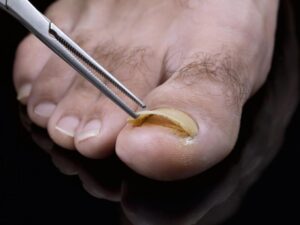
If nail lifting occurs, keep the affected nail clean and dry. Trim the nail carefully to prevent further separation. Avoid pulling or forcing the nail. Protect the nail from trauma and moisture. Wear comfortable shoes with enough toe space. Use breathable socks to reduce sweat buildup. Monitor the nail for signs of infection. Watch for discoloration, odor, pain, or debris. Early detection helps prevent complications.
Seek professional care if lifting worsens or spreads. Proper guidance supports healthy nail regrowth.
Toenail Fungus Infection
Toenail fungus infection is a condition where fungi grow beneath or inside the nail. It often begins as a small white or yellow spot. The nail may become thick, brittle, or discolored as the infection spreads. Many people notice slow changes that affect the nail’s shape and texture over time.
The infection develops when fungi enter tiny cracks in the nail or nearby skin. Warm and damp environments help the organisms grow quickly. People often become infected in public showers, gyms, or pool areas. Sharing nail tools or wearing tight, sweaty shoes also increases the risk. Early treatment helps prevent the infection from worsening or spreading.
Preventing Toenail Fungus
Preventing toenail fungus starts with keeping your feet clean and dry. Washing your feet daily removes sweat and germs. Drying carefully between your toes helps reduce moisture. Fungus grows easily in damp areas, so limiting moisture lowers your risk.
Wearing breathable footwear also protects your nails. Shoes made of mesh or leather allow air to circulate. Moisture-wicking socks help keep feet dry throughout the day. Changing socks after exercise helps remove excess sweat. Avoiding tight shoes also prevents nail injuries that can let fungus in.
Good nail care is another important step. Trim your nails straight across to avoid cracks or splits. Always use clean clippers to prevent the spread of germs. Avoid sharing nail tools with others. Keeping nails short reduces dirt and moisture trapped under them.
Public areas can increase exposure to fungus. Wearing sandals in locker rooms and pool areas provides extra protection. Disinfecting your shoes and using antifungal powder can also help. These habits reduce the chance of fungus growing and protect long-term nail health.
We Offer Free Consultations
We offer free consultations to see if laser treatment is right for you. At our clinic, laser nail therapy with the PinPointe Footlaser is our specialty. We focus on this treatment because it offers a safe, effective, and medication-free solution for stubborn toenail fungus. We understand how frustrating it can be to deal with thick, discolored nails and how overwhelming it is to sort through different treatment options.
During this consultation, our foot doctors will evaluate your nails, discuss your health history, and determine whether laser treatment is the best choice. During your consultation, we will:
- Examine your nails to confirm the diagnosis and assess severity.
- Explain exactly how the PinPointe FootLaser works and what you can expect during and after treatment.
- Give you a realistic timeline for seeing clearer, healthier nails.
- Answer any questions you have about nail care and preventing reinfection.
Our goal is to help you confidently move forward with a treatment plan that finally addresses your toenail fungus safely and effectively, without the side effects or drug interactions of oral medications.