Soften Thick Toenails vs. Toenail Fungus
Thick toenails can be uncomfortable, difficult to trim, and often affect daily foot care routines. They commonly develop due to aging, repeated pressure from footwear, poor circulation, or fungal infections. When toenails become thick and hard, regular clippers may no longer work effectively, increasing the risk of nail damage or injury.
Learning how to properly soften thick toenails is an important step in maintaining healthy feet. Softening the nail makes trimming safer, improves comfort, and allows treatments to absorb more effectively. With the right techniques and consistent care, thick toenails can become more manageable and easier to maintain over time.
What to know about Softening Toenails
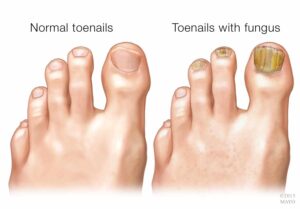
When toenail fungus is present, thick toenails often become harder, brittle, and more difficult to manage. The fungal infection causes the nail to build up excess keratin, leading to increased thickness and discoloration. Softening the nail is an important first step, as it makes trimming safer and allows antifungal treatments to penetrate the nail more effectively.
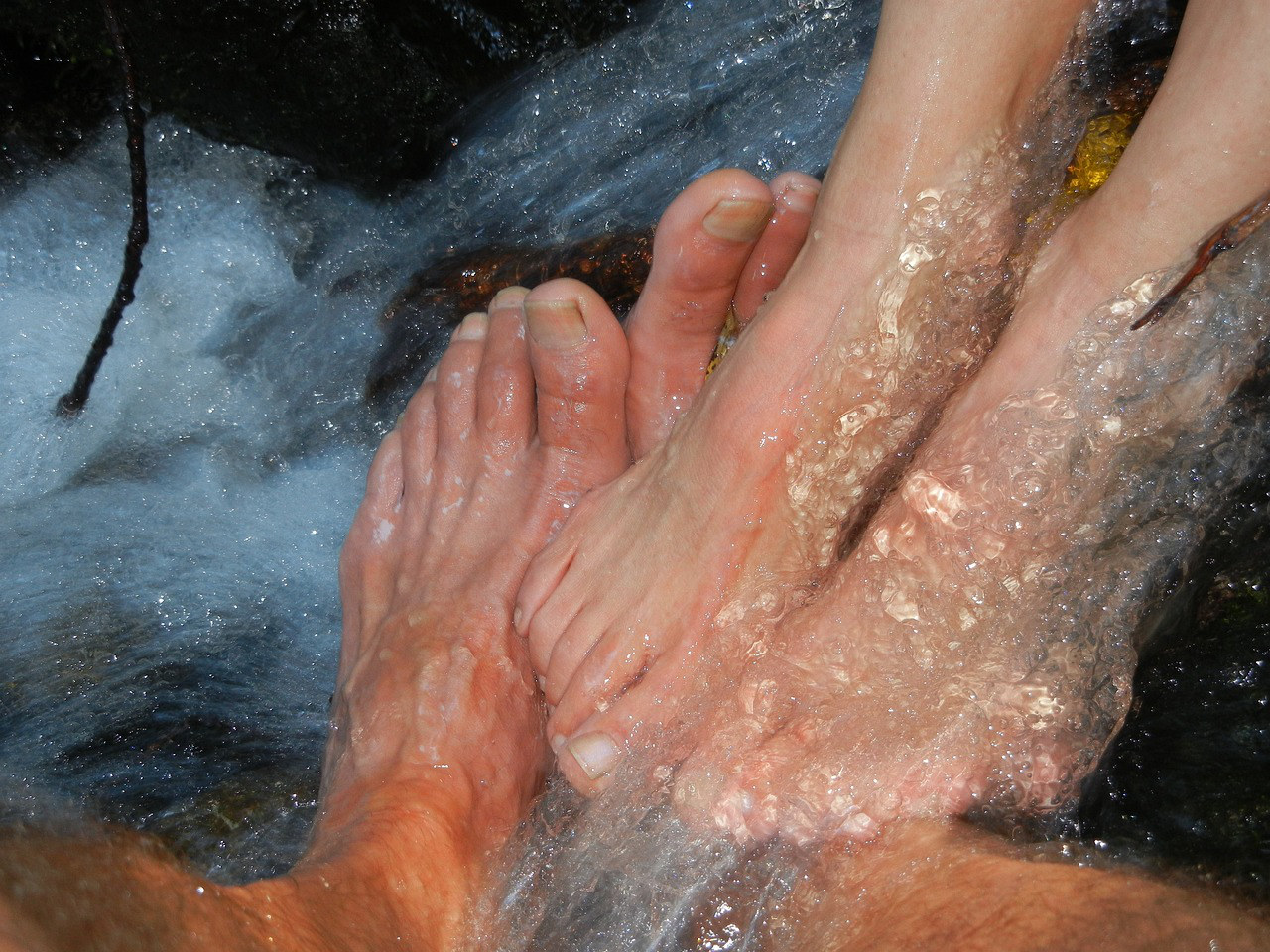
Soaking the feet in warm water can help soften thick, fungal toenails. Adding mild soap or a small amount of Epsom salt may improve the softening effect and help clean the nail surface. Soaks should be done regularly, especially before trimming, to reduce resistance and minimize nail splitting or cracking.
Using urea-based creams or keratolytic products is another effective way to soften thick toenails caused by fungus. These products break down excess nail buildup and gradually thin the nail plate. When applied consistently, they can improve nail flexibility and enhance the absorption of antifungal medications.
Proper trimming techniques are also essential when dealing with fungal toenails. Nails should be cut straight across using clean, disinfected tools after they have been softened. Avoid aggressive cutting or digging into the nail, as damaged skin can allow the infection to spread or worsen. With patience and routine care, softening thick toenails can improve comfort and support successful toenail fungus treatment.
Tips on Preventing the Spread of Toenail Fungus
Preventing the spread of toenail fungus starts with good foot hygiene and daily care. Feet should be washed thoroughly with soap and water, then dried completely, especially between the toes. Fungus thrives in warm, moist environments, so keeping feet clean and dry helps limit its ability to grow and spread.
Avoid sharing personal items such as nail clippers, files, socks, or shoes, as fungus can easily transfer through contaminated tools and fabrics. Nail grooming tools should be cleaned and disinfected after each use. When visiting nail salons, choose facilities that follow strict sanitation practices and use properly sterilized instruments.
Wearing breathable footwear and moisture-wicking socks can also reduce the risk of spreading toenail fungus. Shoes should be allowed to fully dry between uses, and antifungal sprays or powders may help control moisture. In public areas like locker rooms, pools, and showers, wearing protective footwear such as flip-flops can prevent contact with fungal surfaces.
Treating toenail fungus early is one of the most effective ways to stop its spread. Ignoring symptoms allows the infection to worsen and potentially infect other nails or people. Consistent treatment, combined with preventive habits, plays a key role in protecting both personal foot health and the health of those around you.
Home Remedies for Toenail Fungus Infection
Many people try several home remedies to manage toenail fungus before seeking medical treatment. One common option is tea tree oil, known for its natural antifungal properties. Some people apply it directly to the nail each day. While it may help mild cases, results are often slow and inconsistent because the oil struggles to penetrate thickened nails.
Another widely used remedy is vinegar soaks. Soaking the feet in a mixture of water and vinegar is believed to create an acidic environment that discourages fungal growth. This method may help reduce odor and mild discoloration, but rarely eliminates a deeper infection. Vinegar is gentle, but it does not fully reach fungus under the nail bed.
Some individuals also try Vicks VapoRub due to its menthol, camphor, and eucalyptus oil ingredients. A few people report improvements in nail appearance over time. However, it mainly provides cosmetic changes rather than a complete cure. The fungus often continues growing beneath the surface.
Garlic is another popular remedy because it contains antifungal compounds. People may crush fresh garlic or use garlic oil around the affected nail. While it may offer minor benefits, it can irritate skin and does not reliably treat moderate or severe infections. Overall, home remedies may offer small improvements, but professional treatments remain the most effective way to cure toenail fungus.
We Offer Free Consultations
We offer free consultations to see if laser treatment is right for you. At our clinic, laser nail therapy with the PinPointe Footlaser is our specialty. We focus on this treatment because it offers a safe, effective, and medication-free solution for stubborn toenail fungus. We understand how frustrating it can be to deal with thick, discolored nails and how overwhelming it is to sort through different treatment options.
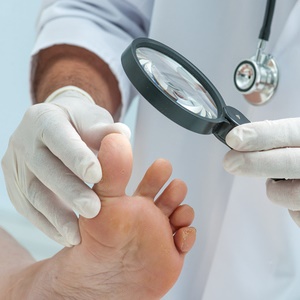
During this consultation, our foot doctors will evaluate your nails, discuss your health history, and determine whether laser treatment is the best choice. During your consultation, we will:
- Examine your nails to confirm the diagnosis and assess severity.
- Explain exactly how the PinPointe FootLaser works and what you can expect during and after treatment.
- Give you a realistic timeline for seeing clearer, healthier nails.
- Answer any questions you have about nail care and preventing reinfection.
Our goal is to help you confidently move forward with a treatment plan that finally addresses your toenail fungus safely and effectively, without the side effects or drug interactions of oral medications.