Hidden Sources for Fungus in Your Home
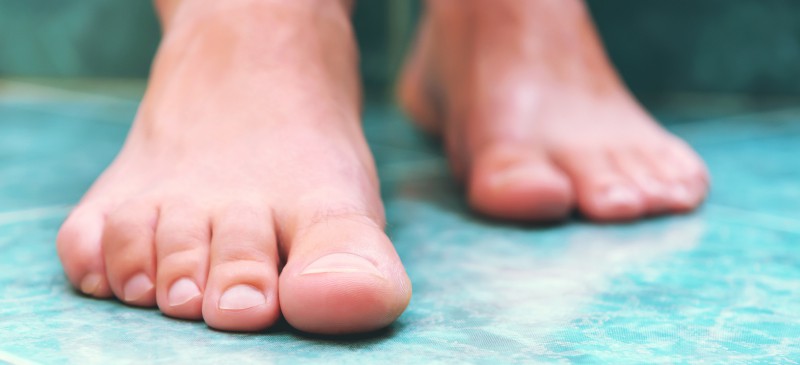
When most people think about toenail fungus, they picture public locker rooms, gym showers, or pool decks. While those environments certainly increase exposure, they are not the only, or even the most common, sources of infection. In fact, many cases of toenail fungus begin or return because of hidden fungal reservoirs inside the home.
Fungal spores are microscopic and remarkably resilient. They thrive in warm, moist environments and can linger in places you interact with daily, including your shoes, socks, bathroom floors, carpets, and even nail care tools. Because these spores are invisible to the naked eye, it’s easy to underestimate how often you may be exposed.
Reinfection often occurs not because treatment failed, but because the source was never eliminated. Without proper hygiene and preventive measures, fungus can quietly remain in your environment and reattach to vulnerable nails.
Understanding where toenail fungus hides, and how to reduce your exposure, is one of the most important steps in preventing both first-time infections and frustrating recurrences.
Where Fungi Naturally Exist in the Environment
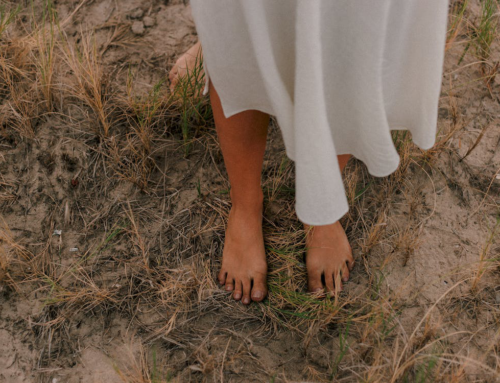
Fungi are a normal part of the world around us. They exist in soil, water, plants, and on animals, including humans. In fact, many types of fungi play essential roles in the ecosystem by breaking down organic matter or contributing to food production, such as yeast used in bread and beer.
However, not all fungi are harmless. Certain species can cause infections when conditions allow them to overgrow or enter the body through small cracks in the skin or nails. Dermatophytes, the most common cause of toenail fungus (onychomycosis), thrive in warm, moist environments. Yeasts such as Candida can also contribute to nail infections, particularly in individuals with weakened immune systems or prolonged moisture exposure.
Inside the home, fungal spores may be present in damp bathrooms, sweaty shoes, carpets, laundry baskets, nail tools, and other areas where moisture accumulates. Mold spores also commonly develop in humid environments or on old building materials.
The important point is this: fungal organisms are widespread and often invisible. While most do not cause harm, certain strains can lead to persistent infections when the environment, or the nail itself, becomes vulnerable.
Understanding that fungi naturally exist around us helps explain why toenail fungus can develop and why prevention requires managing moisture and limiting exposure.
Hidden Areas in Your Home That May Harbor Toenail Fungus
While many people focus on public spaces as sources of infection, fungal spores can also linger inside your home. Because these organisms are microscopic and thrive in warm, moist environments, everyday household items can quietly contribute to reinfection if not properly maintained.
Carpet and Rugs
Carpet fibers can trap fungal spores shed from bare feet, socks, or shoes. Over time, these spores may accumulate in high-traffic areas such as bedrooms and hallways. Walking barefoot across contaminated carpet can reintroduce fungus to vulnerable nails. Regular vacuuming and periodic deep cleaning can help reduce buildup. However, it is important to ensure carpets dry thoroughly after any cleaning process, as prolonged moisture may actually promote fungal growth.
Bedsheets and Bedding
Sleeping barefoot can transfer skin cells and fungal spores to bedding. While casual contact does not automatically lead to infection, repeated exposure may increase risk, especially if nails are already damaged or compromised. Washing sheets regularly in hot water helps reduce microbial buildup and supports overall hygiene.
Towels
Towels frequently come into contact with damp skin, making them a potential reservoir for fungal spores. When you dry infected or previously infected feet, spores can transfer to the fabric. Reusing the same towel without washing it may contribute to reinfection. Laundering towels in hot water and allowing them to dry completely between uses can help minimize this risk.
Because fungal spores are invisible, simple hygiene habits can play a major role in prevention. Managing moisture and regularly cleaning high-contact fabrics helps reduce the likelihood of recurring toenail fungus.
How to Prevent Toenail Fungus and Why It Keeps Coming Back
Preventing toenail fungus requires more than just treating the infection. Because fungal organisms thrive in warm, moist environments, controlling exposure and moisture is essential both during and after treatment.
In public spaces such as gyms, locker rooms, hotel showers, and swimming pool decks, always wear flip-flops or shower shoes. These damp surfaces frequently harbor fungal spores. Even brief barefoot contact can increase exposure, particularly if your nails are already damaged or vulnerable.
At home, focus on reducing hidden sources of moisture. Rotate your shoes daily so each pair has time to dry completely between uses. Consider using antifungal sprays or UV shoe sanitizers to reduce lingering spores inside footwear. Wash socks in hot water and allow them to dry thoroughly before wearing them again. Disinfect nail clippers regularly, and avoid sharing towels, shoes, or grooming tools with family members.
One reason toenail fungus often returns is that spores remain in the environment even after the nail begins to improve. Fungal spores are microscopic and resilient. They can survive in shoes, carpets, bedding, and bathroom floors for extended periods, especially in humid conditions. If those sources are not addressed, newly growing nails can become reinfected.
Additionally, nails that were previously infected may be structurally weaker during regrowth, making them more susceptible to recurrence.
For long-term success, treatment must be paired with environmental control and consistent hygiene habits. Addressing both the infection and its surroundings significantly reduces the likelihood of dealing with toenail fungus again.
Professional Treatment Options for Toenail Fungus
If you are struggling with persistent or recurring toenail fungus, professional treatment may provide a more reliable solution than home remedies alone. Because the infection develops beneath the nail plate, effective treatment must reach the source of the fungus.
One advanced option is the FDA-cleared PinPointe™ Laser. This technology uses focused light energy to target fungal organisms beneath the nail without requiring systemic medication. Treatment sessions are typically brief, and patients can resume normal daily activities immediately afterward.
Compared to topical creams, which often struggle to penetrate thickened nails, and oral medications, which may require laboratory monitoring due to potential side effects, laser therapy offers a non-invasive alternative for appropriate candidates.
Our nail doctors in Scottsdale, AZ, evaluate each patient individually to determine the most suitable treatment plan based on infection severity, nail thickness, and overall health.
If you notice discoloration, thickening, or other signs of toenail fungus, schedule a consultation to discuss your options. Call (800) 672-0625 to book an appointment at our Scottsdale location, or visit our website to learn more about our doctors at locations nationwide.