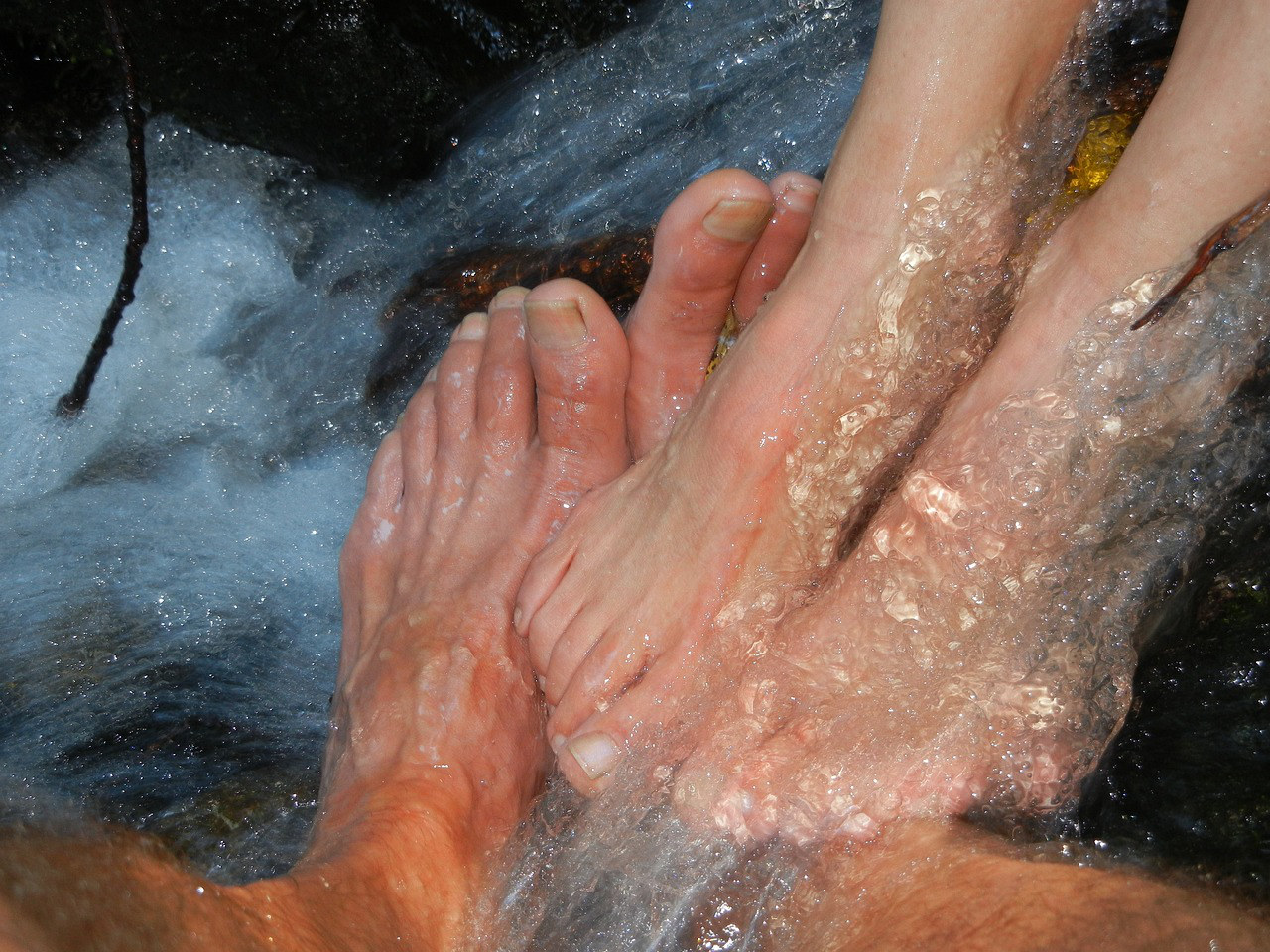
How Does Nail Fungus Spread?
Can nail fungus spread? Nail fungus is a common infection that can easily spread if proper precautions are not taken. The fungi that cause nail infections thrive in warm, moist environments and can transfer from one nail to another or from person to person. Everyday activities such as walking barefoot in public areas, sharing nail grooming tools, or wearing tight, non-breathable footwear can increase the risk of transmission. Understanding how nail fungus spreads is essential for preventing infection, protecting others, and maintaining healthy nails.
Nail fungus spreads when fungal organisms come into contact with the nail or surrounding skin and find the right conditions to grow. Warm, moist environments such as locker rooms, public showers, swimming pools, and damp shoes allow fungi to thrive. Walking barefoot in these areas makes it easier for the fungus to attach to the skin and eventually invade the nail.
The infection can also spread through direct contact or shared personal items. Using contaminated nail clippers, files, or towels can transfer fungus from one person to another. Nail salons that do not properly clean and disinfect their tools may also contribute to the spread. Even at home, sharing grooming tools increases the risk of passing the infection between family members.
Nail fungus can spread from one nail to another on the same person. Touching an infected nail and then handling healthy nails allows fungal spores to move easily. Small cracks in the nail or skin provide an entry point for the fungus. Without proper treatment and hygiene, the infection can continue to spread and become more difficult to manage over time.
People Most Likely to get a Nail Fungus Infection?
Certain people are more likely to develop a nail fungus infection due to lifestyle, health, or environmental factors. Older adults face a higher risk because nails grow more slowly and may have reduced blood circulation. Thicker or more brittle nails can also make it easier for fungus to become trapped and grow over time.
People who frequently expose their feet or hands to moisture are also at greater risk. Athletes, swimmers, and individuals who wear tight or non-breathable shoes often create warm, damp conditions that encourage fungal growth. Walking barefoot in public places such as gyms, locker rooms, and pool areas further increases the chance of exposure.
Individuals with weakened immune systems or certain medical conditions are more susceptible to nail fungus infections. Diabetes, poor circulation, and immune disorders can make it harder for the body to fight off fungal organisms. People with a history of athlete’s foot are also more likely to develop nail fungus, as the infection can easily spread from the skin to the nails.

Possible Home Remedies
Several home remedies may help manage mild toenail fungus infections, especially in the early stages. One common option is tea tree oil, a natural antifungal that many people apply directly to the affected nail. Using a cotton swab, a small amount can be applied once or twice daily. Some individuals notice gradual improvement in discoloration and nail texture with consistent use. However, tea tree oil can irritate sensitive skin, so it should be used cautiously.
Another popular remedy is soaking the feet in diluted vinegar. Vinegar creates an acidic environment that may slow fungal growth. A typical mixture is one part vinegar to two parts warm water, with a soak lasting 15–20 minutes daily. While this method does not cure severe infections, many people find it helpful for reducing mild symptoms and keeping the nails cleaner.
Some also use baking soda to manage moisture around the feet. Baking soda does not kill fungus, but it helps absorb sweat and odor, creating conditions less favorable for fungal growth. It can be sprinkled in shoes or added to foot baths. Coconut oil is another natural option with mild antifungal properties. Applying a thin layer to clean, dry nails may help soften thickened areas and support the nail’s appearance over time.
Although home remedies can support mild cases, they often work slowly and may not eliminate deeper infections. Toenail fungus can become stubborn, so persistent or worsening symptoms should be evaluated by a healthcare provider. Combining home care with professional treatment offers the best chance for full recovery.
Treatment Options for Nail Fungus
If you do find yourself with a nail fungus infection, there are several treatment options recommended by foot doctors. Here are some of the common approaches:
- Topical treatments: Over-the-counter creams can help prevent nail fungal infections. However, they are not very effective for treating an active infection and have a success rate of less than 10%. These creams are most useful as preventive measures or for mild cases of nail fungus.
- Oral antifungal medication: Medications are commonly prescribed for more severe cases of nail fungus. However, they come with potential side effects, including liver toxicity. Routine blood testing to monitor your liver is necessary during the course of treatment, and the average cure rate is only around 60%.
- Laser treatment: The most advanced option for nail fungus treatment is laser therapy. Laser treatment offers a non-invasive and effective approach to eliminating nail fungus. Various lasers are available, with differing success rates and FDA approvals. The PinPointe laser treatment, approved by the FDA, is a highly effective option, typically requiring only one session and offering no downtime or pain. It targets the fungus directly, penetrating the nail and killing the infection at its source.
For nail fungus treatment, we highly recommend the PinPointe Laser as it boasts the highest cure rate in the market. It has no side effects, you can go about your daily activities right after, and it is a painless procedure.
We Offer Free Consultations
We offer free consultations to see if laser treatment is right for you. At our clinic, laser nail therapy with the PinPointe Footlaser is our specialty. We focus on this treatment because it offers a safe, effective, and medication-free solution for stubborn toenail fungus. We understand how frustrating it can be to deal with thick, discolored nails and how overwhelming it is to sort through different treatment options.
During this consultation, our foot doctors will evaluate your nails, discuss your health history, and determine whether laser treatment is the best choice. During your consultation, we will:
- Examine your nails to confirm the diagnosis and assess severity.
- Explain exactly how the PinPointe FootLaser works and what you can expect during and after treatment.
- Give you a realistic timeline for seeing clearer, healthier nails.
- Answer any questions you have about nail care and preventing reinfection.
Our goal is to help you confidently move forward with a treatment plan that finally addresses your toenail fungus safely and effectively, without the side effects or drug interactions of oral medications.