Bleaching Toenail Fungus: Risks and Potential Harm
There is harm of bleaching toenail fungus infections. Bleaching toenail fungus may seem like a quick and inexpensive solution, but it can cause more harm than good. Bleach is a harsh chemical that is not designed for use on skin or nails. When applied to an infected toenail, it can damage healthy tissue, irritate the surrounding skin, and weaken the nail structure. Instead of treating the fungus effectively, bleach often creates additional problems that make recovery more difficult.
Bleaching to Treat Toenail Fungus
Bleaching is sometimes used as a home remedy for toenail fungus. The method usually involves diluted household bleach. Many people hope bleach will kill the fungus quickly. However, bleach can irritate skin and damage nails.
Toenail fungus often hides deep under the nail. Bleach may not reach the infected area well. Fungal cells can survive short bleach exposure. This makes bleach an unreliable treatment option. Bleach can also cause burns on sensitive skin. People with cuts or weak skin face higher risks. Bleach can worsen dryness and cracking. These issues can make infections harder to manage.
Safer treatments provide better long-term results. Topical antifungal creams target fungus directly. Oral medications treat stubborn cases effectively. Laser therapy can also help many patients. It is best to speak with a healthcare professional.
The Harm of Bleaching as Treatment
Using bleach to treat toenail fungus can cause several harmful effects. Bleach is a strong chemical that can burn skin on contact. Even diluted bleach can irritate the surrounding skin. This irritation can lead to redness, swelling, and painful stinging.
Bleach can also weaken the toenail itself. Repeated exposure can make the nail brittle and fragile. A weakened nail may crack more easily and expose deeper tissue. This damage can allow the fungus to spread further. People with sensitive skin face higher risks when using bleach. Any small cut or scratch can react badly to the chemical. Bleach can worsen dryness and create peeling skin around the nail. Damaged skin can slow recovery and make infections harder to control.
Bleach also fails to treat deep fungal growth effectively. It rarely reaches the fungus under the nail bed. This can lead to repeated cycles of irritation without real improvement. Safer medical treatments offer far better results and fewer risks.
Other Common Home Remedies
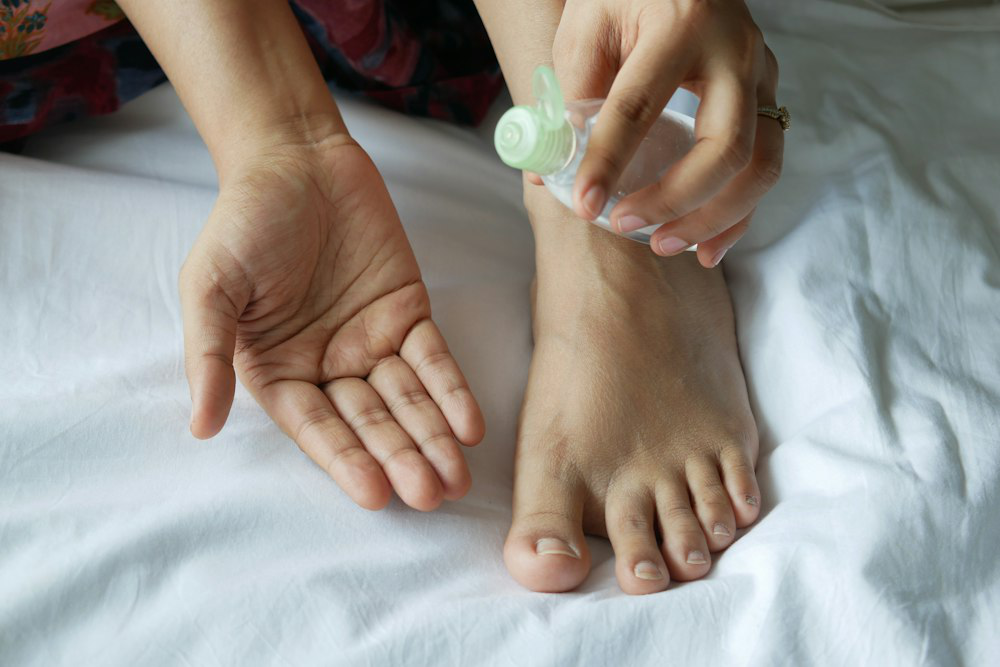
Many people try several home remedies to manage toenail fungus before seeking medical treatment. One common option is tea tree oil, known for its natural antifungal properties. Some people apply it directly to the nail each day. While it may help mild cases, results are often slow and inconsistent because the oil struggles to penetrate thickened nails.
Another widely used remedy is vinegar soaks. Soaking the feet in a mixture of water and vinegar is believed to create an acidic environment that discourages fungal growth. This method may help reduce odor and mild discoloration, but it rarely eliminates a deeper infection. Vinegar is gentle, but it does not fully reach the fungus under the nail bed.
Some individuals also try Vicks VapoRub due to its menthol, camphor, and eucalyptus oil ingredients. A few people report improvements in nail appearance over time. However, it mainly provides cosmetic changes rather than a complete cure. The fungus often continues growing beneath the surface.
Garlic is another popular remedy because it contains antifungal compounds. People may crush fresh garlic or use garlic oil around the affected nail. While it may offer minor benefits, it can irritate skin and does not reliably treat moderate or severe infections. Overall, home remedies may offer small improvements, but professional treatments remain the most effective way to cure toenail fungus.
Doctor-Recommended Treatment Options for Toenail Fungus
Topical medications are often the first treatment option for nail fungus. These products include creams, ointments, and medicated nail lacquers that help slow fungal growth. Topicals work best on mild infections or early-stage cases because they penetrate the nail more slowly. Consistent daily use is important, and treatment may last several months. While results can take time, topicals offer a noninvasive option with fewer side effects.
Oral antifungal medications provide a stronger and faster approach. These pills travel through the bloodstream to target the fungus from the inside out. They are often recommended for moderate to severe infections or cases that do not respond to topical treatment alone. Oral medications usually produce noticeable improvement within weeks, though the full course may last several months. Because they can affect the liver or interact with other medications, doctors often monitor patients during treatment.
Laser treatment is a newer option that many people choose for convenience. The laser emits targeted light energy that penetrates the nail and destroys fungal cells. Sessions are generally quick and painless, and there is no recovery time. Laser therapy may require multiple treatments, depending on the severity of the infection. While results vary, this option appeals to people who prefer a non-drug approach or have not improved with other treatments.
Together, these treatment options offer flexibility based on severity, health conditions, and personal preference. Many patients combine methods for stronger results, especially in stubborn or long-lasting infections.
Schedule a Free Consultation with our Doctor
We offer free consultations to see if laser treatment is right for you. At our clinic, laser nail therapy with the PinPointe Footlaser is our specialty. We focus on this treatment because it offers a safe, effective, and medication-free solution for stubborn toenail fungus. We understand how frustrating it can be to deal with thick, discolored nails and how overwhelming it is to sort through different treatment options.
During this consultation, our foot doctors will evaluate your nails, discuss your health history, and determine whether laser treatment is the best choice. During your consultation, we will:
- Examine your nails to confirm the diagnosis and assess severity.
- Explain exactly how the PinPointe FootLaser works and what you can expect during and after treatment.
- Give you a realistic timeline for seeing clearer, healthier nails.
- Answer any questions you have about nail care and preventing reinfection.
Our goal is to help you confidently move forward with a treatment plan that finally addresses your toenail fungus safely and effectively, without the side effects or drug interactions of oral medications.