How to Grow Long, Healthy Nails Naturally
Weak, peeling, or brittle nails can feel frustrating, especially when you’re trying to grow them long and strong. Many people struggle with nails that split, flake, or break before they ever reach their desired length. The good news is that healthy nail growth is achievable with consistent care and the right habits.
Nails reflect overall health and daily routines. Repeated trauma, harsh chemicals, and poor nail maintenance can weaken the nail plate and damage the cuticle, which plays a crucial role in protecting new nail growth. Even small habits such as nail biting or excessive exposure to water can interfere with the strength and structure of your nails over time.
Growing long, healthy nails doesn’t require expensive treatments or miracle products. Instead, it requires protecting the nail bed, minimizing stress on the nail plate, and supporting growth through proper nutrition and cuticle care. Simple changes, such as avoiding nail biting, wearing gloves when cleaning, moisturizing regularly, and supporting keratin production with proper vitamins, can dramatically improve nail strength and appearance.
While there is no overnight fix, consistent care leads to noticeable improvements. With the right approach, you can build stronger, smoother, and healthier nails that grow longer without constant breakage.
Proper Nail Maintenance for Stronger, Healthier Growth
Consistent nail maintenance plays a major role in growing healthy nails. Even the strongest nails can weaken without proper care. A simple routine focused on protection, hydration, and gentle grooming can prevent breakage and promote steady growth.
Start with a proper trimming technique. Always cut nails straight across using clean, sharp clippers. Avoid aggressive shaping or cutting too deeply into the corners, as this can weaken the nail structure and irritate the surrounding skin. After trimming, use a fine-grit nail file to smooth rough edges. File in one direction rather than sawing back and forth, which can cause splitting.
Hydration is equally important. Nails become brittle when they dry out. Apply cuticle oil or a moisturizing cream daily to keep both the nail plate and surrounding skin hydrated. Healthy cuticles protect new nail growth at the base of the nail, so avoid cutting them aggressively. Instead, gently push them back after showering when they are soft.
Limit prolonged exposure to water and harsh chemicals. Excessive soaking can cause nails to expand and contract repeatedly, which weakens the nail plate over time. Wear gloves when washing dishes or using cleaning products.
Finally, avoid using your nails as tools. Opening packages or scraping surfaces places unnecessary stress on the nail and increases the risk of cracks or breaks.
With consistent maintenance and gentle care, nails grow stronger, smoother, and more resistant to damage.
Choosing the Right Shoes and Avoiding Nail-Damaging Habits
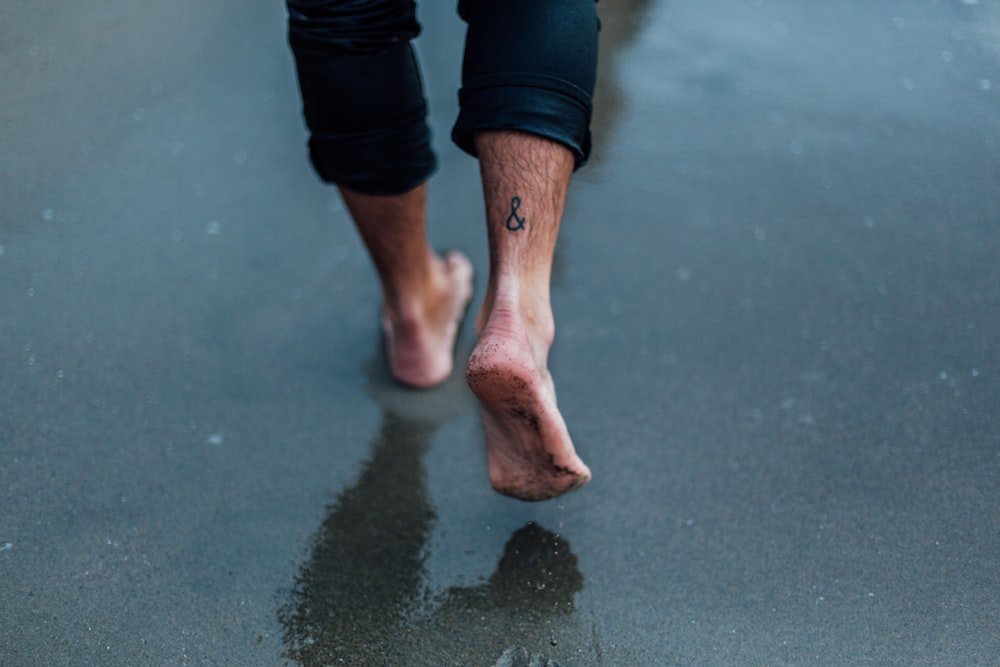
The shoes you wear and the habits you maintain every day directly affect the health and strength of your nails. Tight, poorly fitted footwear places constant pressure on the nails, which can lead to bruising, ridging, splitting, and even long-term nail damage. To support healthy nail growth, choose shoes with a wide toe box that allows your toes to move naturally without crowding. Shoes made from breathable materials, such as leather or mesh, help reduce moisture buildup and prevent weakening of the nails.
High heels and narrow dress shoes may look stylish, but they compress the toes and repeatedly traumatize the nails. Over time, this pressure can cause discoloration, thickening, or even separation of the nail from the nail bed. For daily wear, prioritize comfort, proper fit, and airflow.
In addition to footwear, certain habits can severely damage nail structure. Nail biting is one of the most harmful behaviors for nail health. It weakens the nail plate, damages the cuticle, and creates small openings where bacteria or fungus can enter. Picking at polish, peeling off gel manicures, or aggressively pushing back cuticles can also thin the nail and slow growth.
Avoid using your nails as tools to open packages or scratch surfaces. Repeated trauma leads to breakage and prevents nails from growing long and smooth.
By wearing supportive, breathable shoes and eliminating nail-damaging habits, you create an environment where nails can grow stronger, healthier, and more resilient over time.
Nutrition and Diet: The Foundation of Healthy Nail Growth
No matter how carefully you groom your nails, healthy growth ultimately begins from within. Nails consist primarily of keratin, a structural protein that relies on proper nutrition for strength and resilience. If your diet lacks essential vitamins and minerals, your nails may become brittle, slow-growing, or prone to splitting.
Protein intake plays a central role in nail health. Because keratin is a protein, insufficient dietary protein can weaken nail structure. In addition, several key nutrients support circulation, cell repair, and nail plate formation.
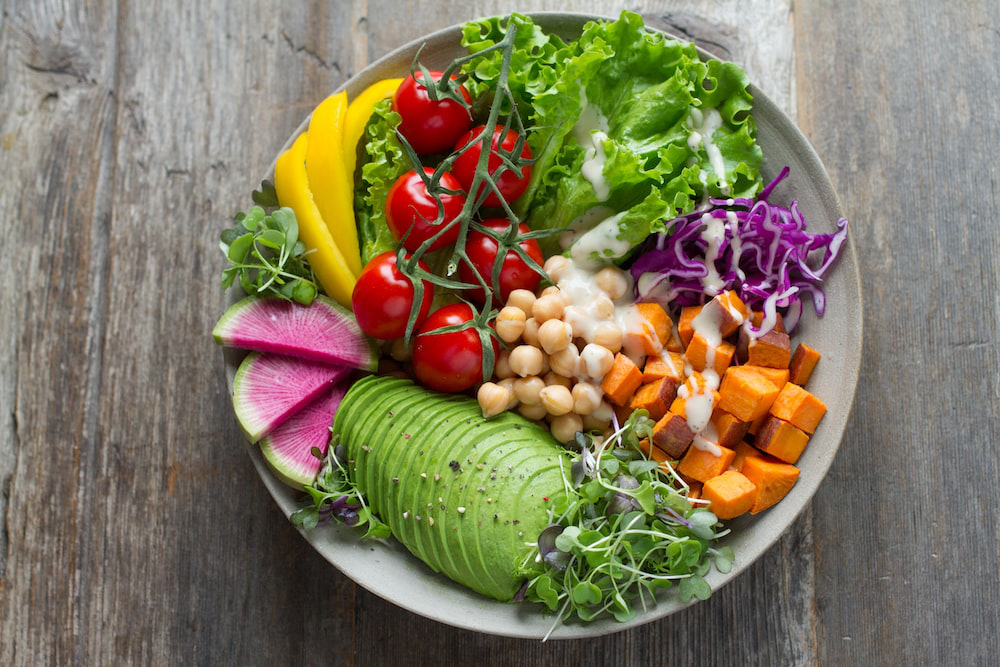
To promote stronger, longer nails, incorporate the following nutrient-rich foods into your diet:
- Eggs – Rich in biotin and protein, both essential for keratin production
- Salmon – Provides omega-3 fatty acids that support nail flexibility and reduce brittleness
- Leafy greens (spinach, kale) – High in iron and folate, which promote healthy cell growth
- Nuts and seeds – Contain zinc and healthy fats that strengthen the nail plate
- Sweet potatoes and carrots – Provide vitamin A, which supports cell development
- Greek yogurt – Offers protein and vitamin B12 for healthy nail formation
- Beans and lentils -Excellent plant-based sources of protein, iron, and zinc
Hydration also matters. Drinking enough water prevents nails from becoming dry and fragile.
While supplements such as biotin may support nail strength in some individuals, food-based nutrients provide a balanced foundation for long-term nail health.
Strong, glossy nails require consistent care, protective habits, and proper nutrition. When you support your body internally and externally, healthy nail growth naturally follows.