Sterilizing Nail Tools vs. Toenail Fungus
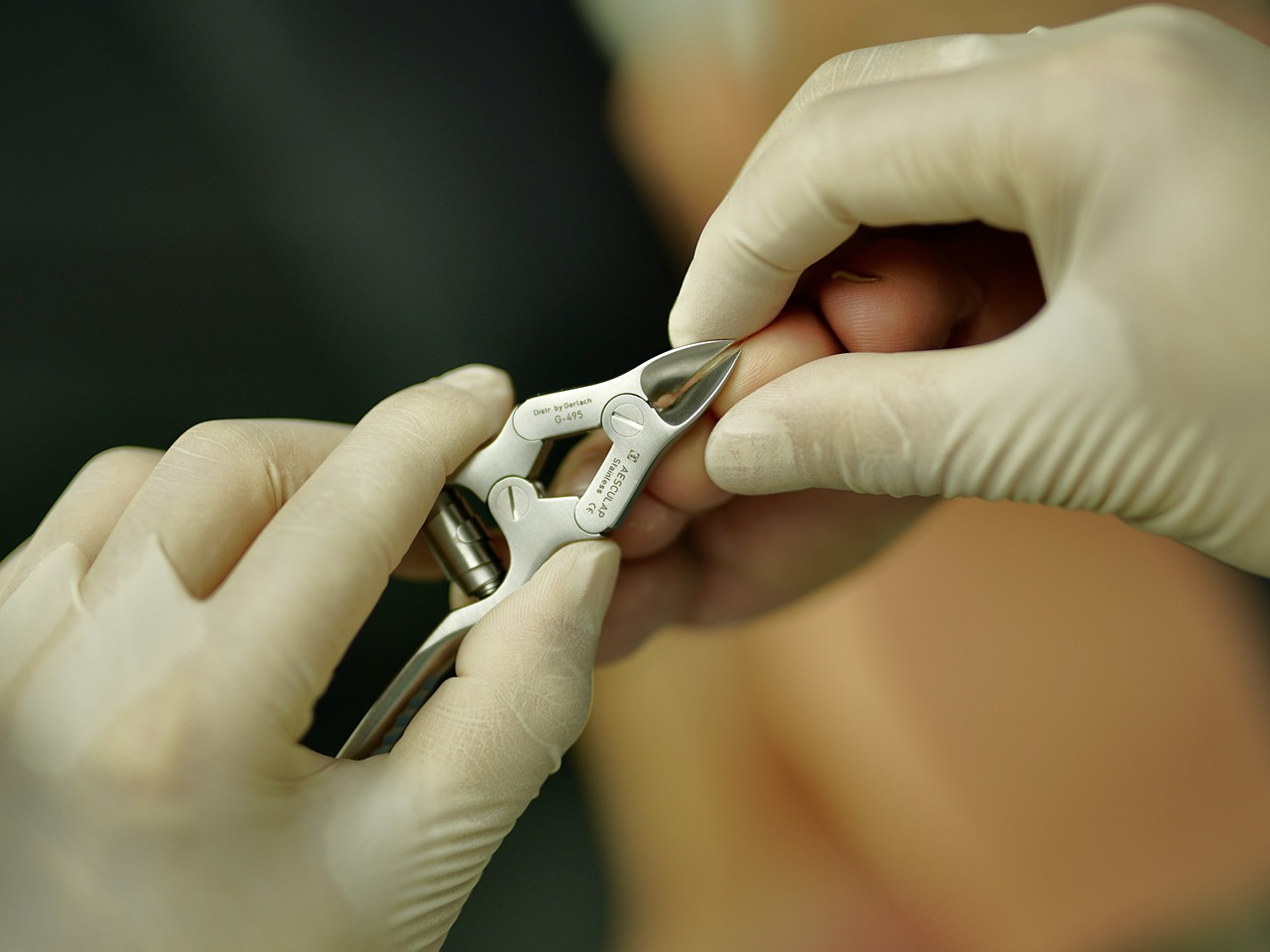
It is important to know how to sterilize your nail tools after each use. Properly sterilizing nail tools is essential for maintaining healthy nails and preventing infections. Nail clippers, files, and cuticle tools can carry bacteria, fungi, and viruses if not cleaned correctly. Regular sterilization protects both personal and professional users from spreading harmful microorganisms. Learning the correct methods ensures tools remain safe, effective, and ready for repeated use.
Sterile nail tools play a critical role in preventing toenail fungus infections. Fungus can live on clippers, files, and cuticle tools for long periods. Using unclean tools allows the infection to spread from one nail to another. Proper sterilization greatly reduces this risk.
Toenail fungus often enters through small cuts or weakened nail areas. Dirty tools can create tiny injuries while introducing fungal spores. Once the fungus reaches the nail bed, it becomes difficult to treat. Clean, sterile tools help protect the nail’s natural barrier.
Sharing nail tools increases the chance of fungal transmission. Even healthy-looking nails can carry hidden fungus. Sterilizing tools between uses prevents cross-contamination. This practice is essential at home and in professional nail settings.
Consistent tool sterilization supports long-term nail health. It helps treatments work more effectively and prevents reinfection. Sterile tools and toenail fungus prevention truly go hand in hand.
How to Sterilize Nail Tools
Properly sterilizing nail tools starts with thorough cleaning. Remove visible debris using soap, warm water, and a brush. Cleaning first is important because disinfectants work best on clean surfaces. Dry tools completely before moving to the next step.
Disinfect nail tools using an appropriate solution. Isopropyl alcohol with at least seventy percent concentration is commonly used. Fully submerge metal tools for the recommended time. This step helps kill bacteria, fungi, and viruses.
Heat sterilization offers added protection for metal tools. Tools can be placed in a professional autoclave or dry heat sterilizer. These methods reach temperatures that destroy harmful microorganisms. Plastic or wooden tools should not be heat sterilized.
Store sterilized tools properly to keep them clean. Place them in a sealed container or clean pouch. Avoid touching the tool tips before use. Proper storage helps maintain sterility until the next use.
Sterile Nail Tools at a Nail Salon?
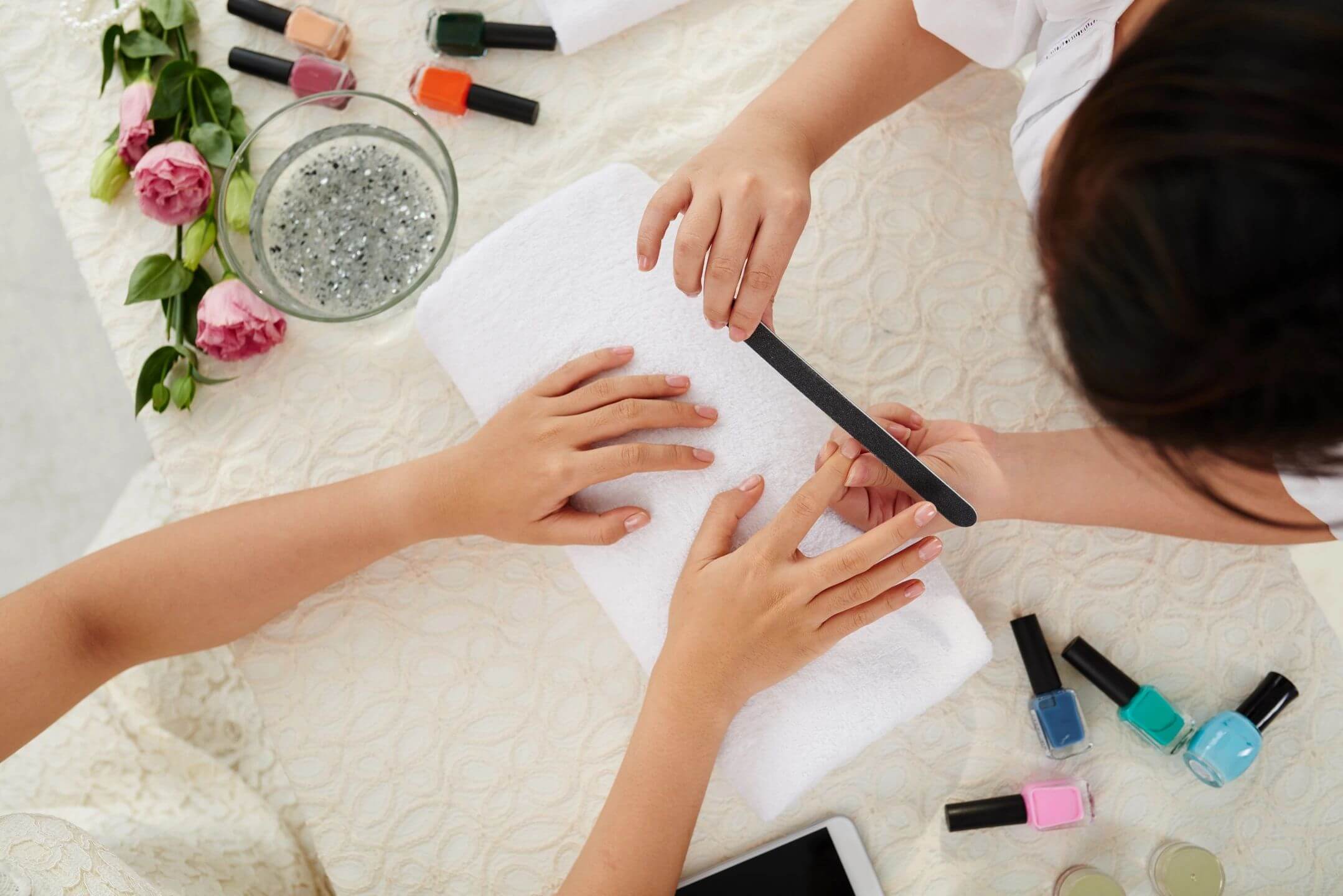
A properly sterilized nail salon is usually open about its cleaning practices. Staff should willingly explain how they clean and disinfect tools. Look for visible sanitation stations or sterilization equipment in the work area. Professional salons do not hide their sterilization process.
Pay attention to how tools are handled before your service begins. Tools should be removed from sealed or clean containers. Technicians should not reuse tools straight from another client. Single-use items should be discarded immediately after each service.
Cleanliness throughout the salon is another strong indicator. Workstations should be wiped down between clients. Technicians should wash or sanitize their hands before starting. Floors, sinks, and chairs should appear well-maintained.
Proper licensing and inspection certificates are also important signs. These are often displayed on the wall. Local health regulations require strict sanitation standards. A salon that follows these rules is more likely to sterilize tools correctly.
Toenail Fungus Infection
Toenail fungus infection occurs when fungi invade the nail. The infection usually starts under the nail tip. It slowly spreads into the nail bed. The fungi thrive in warm and moist environments. The infection can affect one or multiple nails.
The nail may become thick and brittle over time. Many people notice discoloration in the infected nail. The nail can turn yellow, brown, or white. Some nails may develop a distorted or crumbly texture. The infection can also cause mild pain or discomfort.
Toenail fungus spreads through contaminated surfaces. Sharing nail tools can also increase your risk. Walking barefoot in public areas raises exposure. Sweaty feet create moisture that supports fungal growth. Proper hygiene helps reduce infection chances.
Early treatment helps prevent worsening symptoms. Over-the-counter medications can provide relief. Prescription treatments may be needed for stubborn infections. Consistent care improves recovery chances. Keeping feet clean and dry also supports healing.
Treatment Options for Toenail Fungus
If you do find yourself with a nail fungus infection, there are several treatment options recommended by foot doctors. Here are some of the common approaches:
- Topical treatments: Over-the-counter creams can help prevent nail fungal infections. However, they are not very effective for treating an active infection and have a success rate of less than 10%. These creams are most useful as preventive measures or for mild cases of nail fungus.
- Oral antifungal medication: Medications are commonly prescribed for more severe cases of nail fungus. However, they come with potential side effects, including liver toxicity. Routine blood testing to monitor your liver is necessary during the course of treatment, and the average cure rate is only around 60%.
- Laser treatment: The most advanced option for nail fungus treatment is laser therapy. Laser treatment offers a non-invasive and effective approach to eliminating nail fungus. Various lasers are available, with differing success rates and FDA approvals. The PinPointe laser treatment, approved by the FDA, is a highly effective option, typically requiring only one session and offering no downtime or pain. It targets the fungus directly, penetrating the nail and killing the infection at its source.
For nail fungus treatment, we highly recommend the PinPointe Laser as it boasts the highest cure rate in the market. It has no side effects, you can go about your daily activities right after, and it is a painless procedure.
Schedule a Consultation
If you have any signs of nail fungus, don’t wait. Our nail doctors offer the Pinpointe laser treatment, the most effective and safe method for curing nail fungus. Call us today at (800) 672-0625 or visit our website to schedule a free consultation at a location near you.