How Trauma Increases Your Risk of Toenail Fungus Infections
Toenail fungus and nail injuries are closely connected. While fungal infections can develop in several ways, nail trauma is one of the most common triggers. Even minor injuries, such as stubbing your toe, dropping something on your foot, or repeated pressure from tight shoes, can create small cracks or separations in the nail. These tiny openings make it easier for fungus to enter and begin multiplying under the infected nails.
Contrary to popular opinion, toenail fungus does not only affect older people or those with poor hygiene. Anyone can develop a fungal infection at any age. However, overall health does influence susceptibility. People with strong immune systems and good circulation are generally less likely to develop persistent infections. In contrast, people with underlying health conditions, weakened immunity, or repeated nail trauma face a higher risk.
Understanding how injuries contribute to fungal infections can help you recognize early warning signs and take preventive steps before the fungus infection progresses.
Injuries leading to Toenail Fungus
If your finger or toe gets injured, your nail will no longer be as healthy as it should be. It does not matter if the injury is major or minor. If you get your foot run over by a car, you are obviously going to have a much greater chance of becoming infected than someone who just cuts one of their toes, but in both cases, you have increased the chances of becoming infected with nail fungus.
So what are some injuries to the nail that could cause infections? Well, there are several forms of it depending on your daily life and habits.
- Crushing forces, this would be in the form of dropping heavy objects on the hands or feet, hammering the finger by accident, slamming the door on the fingers, frequent biting of the skin or nail, and/or working with heavy machinery.
- Slicing/Cutting, either with knives, box cutters, or heavy-duty machinery.
- Ripping/Tearing, this can happen through stubbing the toe if the fingernail gets caught on an object, causing a ripping or tearing effect.
Injuries to the foot or hand without nail fungus infections are bad enough. But they will usually heal on their own. Nail fungal infections will not- they will always require treatment. As a result, you need to be cautious and avoid injuries. If you enjoy playing sports such as soccer, try to think about your own safety before scoring that final goal. You might have a great feeling winning the game, but your happiness will turn into frustration if you end up with toenail fungus.
Ultimately, injuries are inevitable, and we want to do our best to try to avoid them to prevent such mishaps from occurring and causing infections. Make sure if any of the above have occurred, seek attention regarding the manner.
Why Can Injuries Lead to a Fungal Infection?
Nail injuries often create the perfect entry point for fungus. When you stub your toe, drop something on your foot, or experience repeated pressure from tight shoes, the trauma can damage the nail plate or the nail bed underneath it. Even small cracks, lifting, or microscopic separations weaken the nail’s protective barrier. Once that barrier is compromised, fungal organisms can enter and begin multiplying under the infected nails.
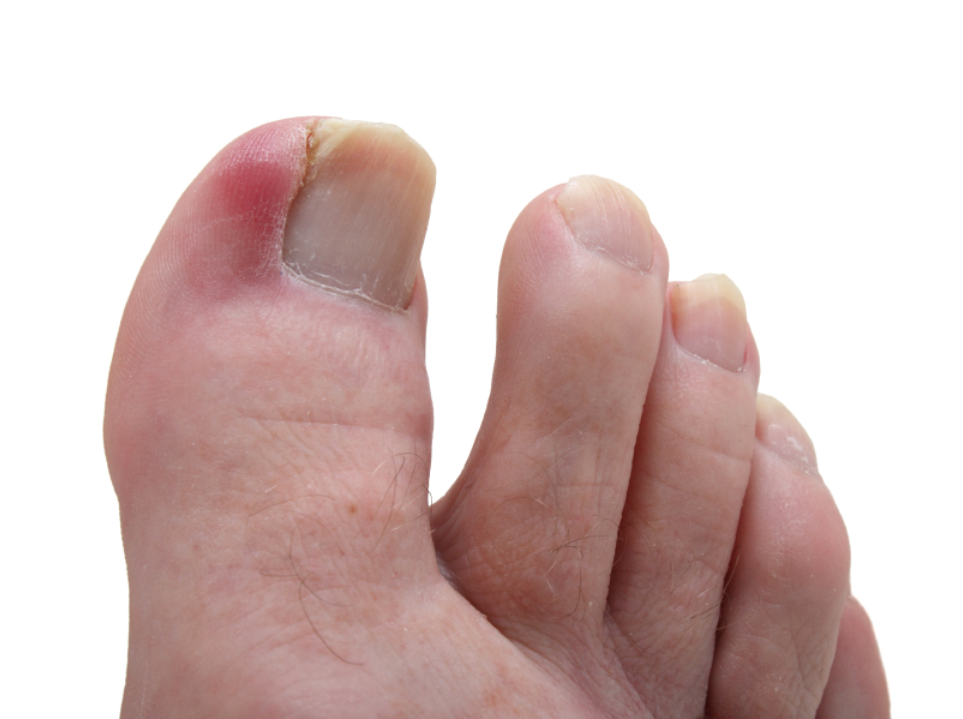
After an injury, you may notice bruising under the nail (known as a subungual hematoma), partial separation of the nail from the nail bed, or changes in nail texture. In addition, trauma can lead to thickening, crumbling, or discoloration of the infected nails. These structural changes create small spaces where moisture and debris can collect, allowing fungus to thrive in a protected environment.
If left untreated, trauma-related nail damage can become long-lasting. A nail that remains lifted or distorted provides an ongoing opportunity for fungal organisms to grow and multiply. Over time, what started as a simple injury can develop into a persistent fungal infection that becomes very difficult to get rid of.
Understanding this connection between trauma and fungal infection of the nails highlights the importance of monitoring injured nails closely and addressing abnormal changes early.

Laser Treatment for Nail Fungus
If you have caught nail fungus, it can be easily treated using the FDA-approved PinPointe laser, which typically only takes one treatment. Other treatments, like topical solutions and oral medication, are not as effective. Topical solutions have a very low cure rate. This is because the solution does not penetrate all the way through the nail bed. This is because it can lead to liver toxicity. You would need to have consistent blood tests throughout the course of taking the medication.
Our nail doctor in San Jose, CA, recommends this treatment for Toenail Fungus. The PinPointe Laser treatment has the highest cure rate in the market. It has no side effects and no recovery period. As a result, you can go about your daily activities right after the treatment. Also, it is not painful.
If you have any signs of nail fungus, call us at (800) 672-0625 or visit our website for more information on our doctors at one of our over 150 locations.