How is nail fungus contracted?
Nail fungus is a common condition that often develops quietly, with symptoms that may not be immediately noticeable. Many people are unaware of how everyday habits and environments can increase their risk of infection. What may begin as a small change in the nail can gradually progress into a persistent and unsightly problem. Because nail fungus grows slowly, it is often overlooked or mistaken for normal nail damage. In areas like Carrollton, TX, where residents stay active and frequently visit gyms, pools, and other public spaces, the risk of exposure is even higher. Understanding how nail fungus develops and spreads is key to preventing infection. Our nail fungus specialist in Carrollton is available to help patients identify early signs and recommend the most effective treatment options. By recognizing common causes and risk factors, individuals can take proactive steps to protect their nail health and avoid long-term complications.
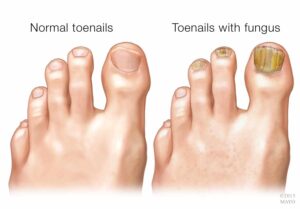
A nail fungus infection is typically contracted when fungi enter the nail through small cracks in the nail or surrounding skin. These organisms thrive in warm, moist environments, making places like locker rooms, public showers, swimming pools, and nail salons common sources of exposure. Walking barefoot in these areas increases the risk of infection. Nail fungus can also spread from person to person through direct contact or by sharing personal items such as shoes, socks, or nail clippers. Wearing tight or non-breathable footwear can trap moisture around the nails, creating an ideal environment for fungal growth. Minor nail injuries, poor circulation, and a weakened immune system can make someone more susceptible. Over time, the fungus settles beneath the nail, leading to discoloration, thickening, and brittleness if left untreated.
The Impact of Carrollton’s Climate on Nail Fungus Risk
The weather in Carrollton can make residents more prone to developing nail fungus due to its warm temperatures and periods of high humidity throughout much of the year. Heat and moisture create the ideal environment for fungi to grow and spread, especially when feet remain sweaty in closed shoes. During hotter months, people are more likely to wear enclosed footwear for long hours, increasing moisture buildup around the nails. Sudden rainstorms can also lead to damp shoes and socks, which further encourage fungal growth. Many residents spend time at gyms, pools, and community recreation areas to stay active, where warm, wet surfaces can harbor fungus. Without proper foot hygiene and ventilation, these conditions allow fungal organisms to thrive and infect the nails more easily.

Home Remedies to Prevent Nail Fungus
Many people try home remedies to prevent or manage nail fungus, but these methods are usually ineffective at fully eliminating an established infection and can sometimes cause harm. Common approaches include:
-
Keeping nails trimmed and clean: This helps reduce surface debris, but it cannot reach the fungus living beneath the nail, where the infection actually occurs.
-
Using vinegar or tea tree oil: These have mild antifungal properties, but they are rarely strong enough to destroy fungus deep within the nail. Overuse can also irritate the surrounding skin.
-
Applying baking soda or antifungal powders: These may help absorb moisture, but they do not treat the infection itself. Excessive use can dry out or damage both the nail and the surrounding skin.
-
Wearing breathable shoes and changing socks frequently: These habits can help prevent moisture buildup, yet they are not capable of reversing an existing fungal infection.
While home remedies can support good foot hygiene and may lower the risk of infection, relying on them alone can allow nail fungus to worsen over time. For effective, lasting results and healthy nail growth, targeted medical treatments—such as topical or oral antifungals or laser therapy—are usually necessary.
Treatment in Carrollton, TX
When it comes to treating nail fungus, there are several options depending on the severity of the infection and your personal needs. Topical treatments are often the first line of defense, including creams, ointments, and medicated nail polishes that help slow fungal growth. These are most effective for mild or early-stage infections, though they take time to penetrate the nail. Consistent daily use is key, and treatment can last several months. While results appear gradually, topicals are noninvasive and generally have minimal side effects, making them a safe choice for many patients.
For more stubborn infections, oral antifungal medications provide a stronger, faster-acting solution. These prescription pills work from the inside out, targeting the fungus through the bloodstream. They are usually recommended for moderate to severe infections or cases where topical treatments haven’t worked. Patients often see improvement within weeks, although a full course can take several months. Because oral medications can affect the liver or interact with other drugs, doctors carefully monitor patients with regular blood tests during treatment.
Laser therapy has become an increasingly popular option due to its convenience and drug-free approach. The laser delivers precise light energy that penetrates the nail to destroy fungal cells at the source. Treatments are quick, virtually painless, and require no downtime, though multiple sessions may be needed depending on infection severity. The PinPointe laser is especially effective, with reported cure rates of up to 85%, and in most cases, a single session can eliminate the fungus completely.
Together, these treatment options give patients flexibility to choose the approach that best fits their infection severity, overall health, and personal preferences. Many patients even combine therapies for faster, more reliable results, ensuring healthier, clearer nails over time.
Schedule a Consultation
If you notice any signs of nail fungus, act quickly. Our experienced nail specialists provide the PinPointe laser treatment, a safe and highly effective solution for eliminating nail fungus. Schedule a free consultation today by calling us at (800) 672-0625 or visiting our website to find a convenient location near you.
Fun things to do in Carrollton, TX
Visiting Carrollton offers a welcoming blend of small-town charm, outdoor recreation, cultural diversity, and easy access to the greater Dallas–Fort Worth area. Located just north of Dallas, Carrollton is an ideal destination for travelers who want a relaxed atmosphere while staying close to major attractions. Whether you enjoy exploring parks, sampling diverse cuisine, or learning about local history, Carrollton provides plenty of enjoyable experiences.
Fun in the outdoors
One of the best ways to start your visit is by exploring Carrollton’s outdoor spaces. The city is known for its well-maintained parks and scenic trails. Arbor Hills Nature Preserve, located nearby, is a favorite for hiking, biking, and nature walks, offering beautiful views, shaded trails, and open spaces perfect for picnics. Locally, Carrollton’s Greenbelt Trail system stretches for miles and connects several parks, making it easy to enjoy the outdoors on foot or by bike. These green spaces provide a peaceful escape and are great for families and nature lovers alike.
Exploring the culture
Downtown Carrollton is another must-visit area, offering a charming mix of history, shopping, and dining. The historic downtown district features restored buildings, local boutiques, and cozy cafés that reflect the city’s heritage. Strolling through the area allows visitors to experience Carrollton’s small-town feel while enjoying modern amenities. Seasonal events, farmers’ markets, and festivals often take place here, giving visitors a chance to connect with the local community and enjoy live entertainment.
Food lovers paradise
Carrollton is also known for its diverse and vibrant food scene. The city has earned a reputation for offering a wide variety of international cuisine, especially Asian and Middle Eastern restaurants. You can enjoy authentic Korean barbecue, Japanese ramen, Vietnamese pho, or Indian curries, all within a short drive. In addition to global flavors, Carrollton offers classic Texas dining options, including barbecue, comfort food, and family-friendly restaurants. Food lovers will appreciate the variety and quality found throughout the city.
Dive into the arts and history
For those interested in culture and education, Carrollton provides access to museums and cultural attractions in the surrounding area. The nearby city of Plano offers historic sites, art centers, and shopping districts, while Dallas is just a short drive away and features world-class museums, sports venues, and entertainment districts. Staying in Carrollton allows visitors to enjoy a quieter setting while easily exploring major attractions such as the Dallas Arts District or professional sports stadiums.
Shopping and entertainment
Shopping and entertainment are also easily accessible from Carrollton. The city is close to major shopping centers, including malls, outlet stores, and lifestyle shopping areas. Whether you are looking for popular retail brands or unique local finds, you will have plenty of options nearby. Movie theaters, bowling alleys, and family entertainment centers make Carrollton a great destination for travelers of all ages.
A must-visit place
Overall, a visit to Carrollton offers a balanced experience of relaxation, culture, and convenience. With its inviting parks, historic downtown, diverse dining options, and proximity to the Dallas–Fort Worth metroplex, Carrollton is an excellent place to explore and unwind. Whether you are planning a short getaway or an extended stay, Carrollton provides a comfortable and enjoyable destination that highlights the best of North Texas living.