Sweaty Feet vs. Toenail Fungus
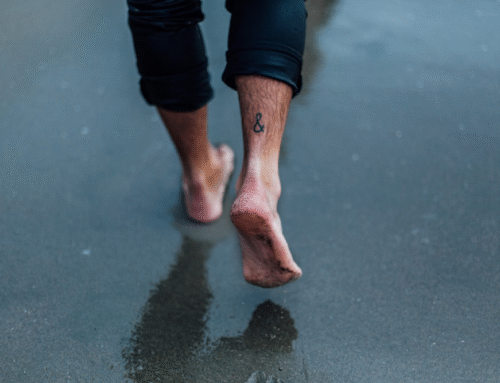
People sometimes do not realize that sweaty feet and toenail fungus go hand in hand. Sweaty feet play a major role in the development and spread of toenail fungus, especially when moisture stays trapped around the toes. Warm, damp conditions create the perfect environment for fungal growth, allowing infections to start easily and worsen over time. Understanding how sweat contributes to fungal problems can help people take steps to protect their nails and maintain healthier feet.
It is important to know that sweaty feet create a warm and moist environment that helps toenail fungus grow. Fungus thrives in damp areas, making sweaty feet a perfect place for infection. When moisture builds up around the toes, the nail becomes more vulnerable to fungal spores. This increases the chance of the fungus entering small cracks in the nail.
Constant sweating can also soften the skin around the nails. Soft skin breaks easily and allows fungus to spread. Shoes that trap heat make the problem worse because they prevent sweat from evaporating. Over time, the combination of moisture and warmth supports ongoing fungal growth.
People with sweaty feet may notice their nails changing color or texture more quickly. The persistent moisture keeps the fungus active and harder to control. Reducing sweat can help prevent these infections. Breathable shoes, moisture-wicking socks, and proper foot hygiene can limit the conditions that allow fungus to thrive.
Tips on Preventing Sweaty Feet
Preventing sweaty feet starts with keeping them clean and dry each day. Washing your feet with mild soap helps remove sweat and bacteria. Drying carefully between the toes reduces moisture that can cause problems. Consistent daily hygiene lowers the chance of sweat buildup.
Choosing the right footwear also helps control sweaty feet. Breathable shoes allow air to move around the foot. Materials like mesh and leather reduce heat inside the shoe. Moisture-wicking socks pull sweat away from the skin. Changing socks during the day can keep feet dry longer.
Using foot powders or antiperspirants can also reduce sweating. These products help absorb moisture and limit bacterial growth. Applying them before putting on socks works best. Some people use medicated sprays to manage persistent sweating. These products help keep feet cooler and drier.
Avoiding tight shoes can also prevent excessive sweating. Tight footwear traps heat and increases moisture. Letting shoes dry fully before wearing them again is important. Rotating pairs of shoes gives each pair time to air out. These simple habits help keep feet dry and reduce the risk of fungal infections.
Toenail Fungus Symptoms
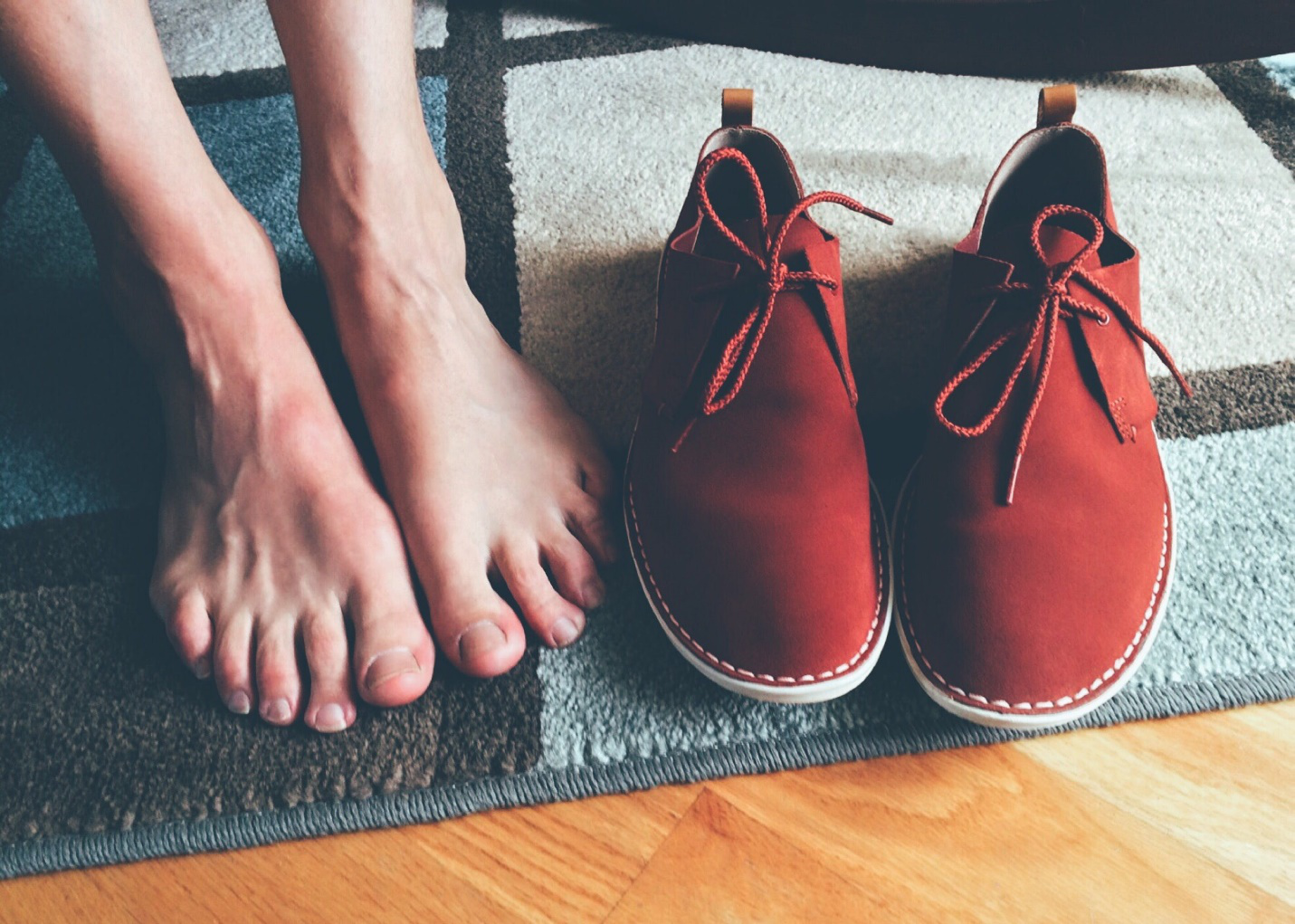
Toenail fungus often begins with small changes in the nail’s appearance. The nail may turn yellow, white, or brown. It can look cloudy or dull instead of shiny. These early signs are easy to overlook.
As the fungus grows, the nail becomes thicker and harder to trim. The edges may crumble when touched. Some people notice debris building up under the nail. This debris can cause pressure and discomfort in shoes.
In more advanced cases, the nail may lift from the nail bed. This separation can cause pain when walking. The nail may also develop an unpleasant odor. If the infection continues, the nail can change shape or become distorted. These symptoms often worsen without treatment, making early care important.
Tips on Preventing Toenail Fungus
Preventing toenail fungus starts with keeping your feet clean and dry. Washing your feet daily removes sweat and germs. Drying carefully between your toes helps reduce moisture. Fungus grows easily in damp areas, so limiting moisture lowers your risk.
Wearing breathable footwear also protects your nails. Shoes made of mesh or leather allow air to circulate. Moisture-wicking socks help keep feet dry throughout the day. Changing socks after exercise helps remove excess sweat. Avoiding tight shoes also prevents nail injuries that can let fungus in.
Good nail care is another important step. Trim your nails straight across to avoid cracks or splits. Always use clean clippers to prevent the spread of germs. Avoid sharing nail tools with others. Keeping nails short reduces dirt and moisture trapped under them.
Public areas can increase exposure to fungus. Wearing sandals in locker rooms and pool areas provides extra protection. Disinfecting your shoes and using antifungal powder can also help. These habits reduce the chance of fungus growing and protect long-term nail health.
Laser Nail Therapy Treatment
The PinPointe FootLaser offers several appealing benefits for individuals struggling with toenail fungus, medically known as onychomycosis, particularly those seeking a noninvasive, drug-free treatment option. One of its primary advantages is that it targets the fungus directly beneath the nail without the need for oral medications, which can sometimes cause liver-related side effects or interact with other prescriptions.
The laser energy penetrates through the nail plate to heat and weaken the fungal cells. This allows the body’s natural processes to promote healthy nail growth. The procedure is quick—typically lasting around 30 minutes per session—and requires no anesthesia or downtime. This allows patients to resume normal activities immediately afterward. For many, this makes it a convenient and safe alternative to long courses of antifungal pills or topical creams that may take months to show visible results.
Schedule a Free Consultation
If you have any signs of toenail fungus, don’t wait. Our nail doctors offer the Pinpointe laser treatment, the most effective and safe method for curing toenail fungus. Call us today at (800) 672-0625 or visit our website to schedule a free consultation at a location near you.