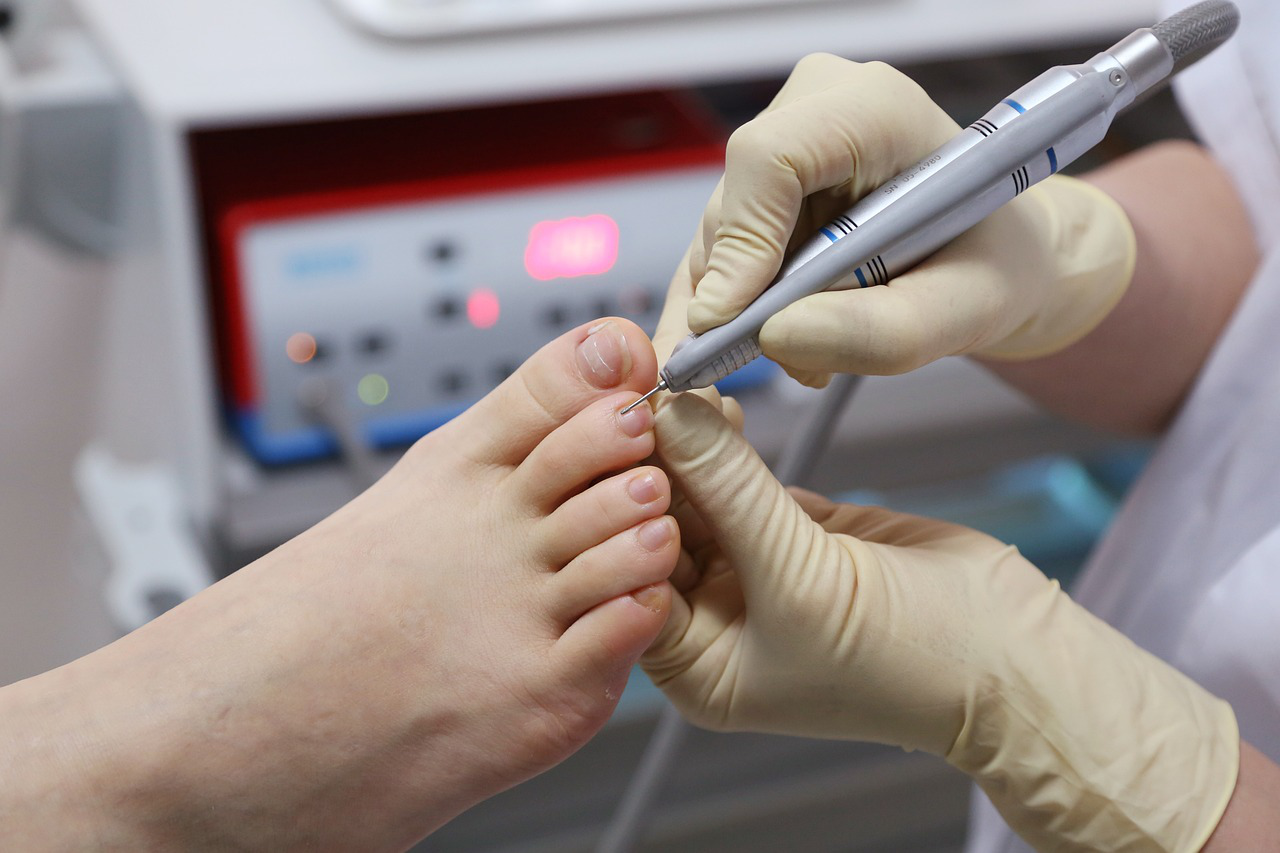
The Fundamentals of Nail Fungus
The most common nail fungus treatments typically depend on the severity of the infection. Common treatment options for nail fungus infections focus on clearing the fungus and improving the nail’s appearance over time. Because the infection grows slowly and can be stubborn, treatments often require consistency and patience. Options range from simple topical products to stronger prescription medications and laser treatment. Understanding these choices helps people select the most effective approach for their condition and lifestyle.
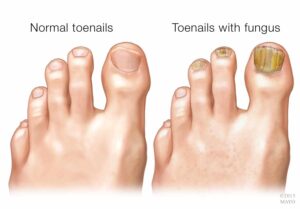
Nail fungus infection is a condition where fungi grow beneath or inside the nail. It often begins as a small white or yellow spot. The nail may become thick, brittle, or discolored as the infection spreads. Many people notice slow changes that affect the nail’s shape and texture over time.
The infection develops when fungi enter tiny cracks in the nail or nearby skin. Warm and damp environments help the organisms grow quickly. People often become infected in public showers, gyms, or pool areas. Sharing nail tools or wearing tight, sweaty shoes also increases the risk. Early treatment helps prevent the infection from worsening or spreading.
The First Most Common Treatment Option
Pros of topical medication
Topical antifungal medications offer a noninvasive and low-risk option for treating nail fungus infections. One of the biggest advantages of topical treatments is their safety—they act locally on the affected nail without entering the bloodstream, which eliminates the risk of systemic side effects like liver toxicity that can occur with oral antifungal medication. They are easy to apply, often coming in a brush-on or solution form, and can be safely used by most patients, including those who cannot take oral medications due to other health conditions. They can also be used in combination with oral antifungal medication or laser therapy to enhance results and reduce the risk of recurrence.
Cons of topical medication
Despite these advantages, topical antifungal medications also have several limitations. The primary drawback is that they often provide slower and less effective results compared to oral medications and laser treatment because they struggle to penetrate the thick, keratinized structure of the nail and reach the deeper layers where the fungus resides. Treatment typically requires daily application for many months—sometimes up to a year—before noticeable improvement occurs, and even then, complete fungal eradication is not guaranteed.
Patients must also be diligent with nail care, including regular trimming and cleaning, to help the medication reach the infection site. For moderate to severe cases where the infection involves the nail matrix or the majority of the nail plate, topical medication alone is often insufficient. Overall, topical antifungal treatments are safe and easy to use but demand patience and consistency, and they tend to work best for mild infections or as part of a combined treatment approach.
The Second Most Common Nail Fungus Treatment
Pros of oral medication
Oral antifungal medications, such as terbinafine (Lamisil) and itraconazole (Sporanox), are among the most commonly prescribed treatments for nail fungus infections because of their success rates in eliminating fungal organisms at the source. One major advantage of oral medications is that they work from the inside out, reaching the nail bed through the bloodstream to directly attack the infection beneath the nail plate.
Cons of oral medication
However, oral antifungal medication also has several drawbacks and potential risks that must be carefully considered. These medications can cause side effects such as nausea, headaches, or digestive discomfort, and in some cases, they may affect liver function. For this reason, patients often require blood tests before and during treatment to monitor for liver-related complications. Another limitation is that treatment courses can last for several months, and even after completion, the nail may take up to a year to fully grow out and appear healthy.
Oral antifungal medication may also interact with other medications, making them unsuitable for patients with certain health conditions or those taking long-term prescriptions. Finally, recurrence of infection is still possible, especially if proper foot hygiene and preventive measures aren’t maintained. Overall, while oral antifungal medications can be effective, they carry systemic risks and require medical supervision to ensure both safety and success.

The Third Most Common Nail Fungus Treatment
Treatment with Laser Nail Therapy is the best treatment option. The PinPointe FootLaser offers several appealing benefits for individuals struggling with toenail fungus, medically known as onychomycosis, particularly those seeking a noninvasive, drug-free treatment option. One of its primary advantages is that it targets the fungus directly beneath the nail without the need for oral medications, which can sometimes cause liver-related side effects or interact with other prescriptions.
The laser energy penetrates through the nail plate to heat and weaken the fungal cells. This allows the body’s natural processes to promote healthy nail growth. The procedure is quick—typically lasting around 30 minutes per session—and requires no anesthesia or downtime. This allows patients to resume normal activities immediately afterward. For many, this makes it a convenient and safe alternative to long courses of antifungal pills or topical creams that may take months to show visible results.
Key benefits of laser treatment
Another key benefit of PinPointe laser treatment is its effectiveness in improving nail appearance and patient confidence. Studies have shown that a significant number of patients experience a visible increase in clear nail growth after treatment, often within a few months as the nail naturally grows out. The laser procedure is generally painless, with most patients describing only a mild warming sensation. Since it is a localized therapy, there are virtually no side effects, making it a suitable option for individuals who cannot tolerate or prefer to avoid oral antifungal medications.
Additionally, when combined with proper foot hygiene and preventive care, laser therapy may help reduce the risk of reinfection and promote long-term nail health. Overall, PinPointe laser treatment provides a safe, convenient, and aesthetically beneficial option for managing toenail fungus while avoiding the risks and inconveniences of more invasive or medication-based treatments.
We offer Free Consultations
We offer free consultations to see if laser treatment is right for you. At our clinic, laser nail therapy with the PinPointe Footlaser is our specialty. We focus on this treatment because it offers a safe, effective, and medication-free solution for stubborn toenail fungus. We understand how frustrating it can be to deal with thick, discolored nails and how overwhelming it is to sort through different treatment options.
During this consultation, our foot doctors will evaluate your nails, discuss your health history, and determine whether laser treatment is the best choice. During your consultation, we will:
- Examine your nails to confirm the diagnosis and assess severity.
- Explain exactly how the PinPointe FootLaser works and what you can expect during and after treatment.
- Give you a realistic timeline for seeing clearer, healthier nails.
- Answer any questions you have about nail care and preventing reinfection.
Our goal is to help you confidently move forward with a treatment plan that finally addresses your toenail fungus safely and effectively, without the side effects or drug interactions of oral medications.