Can You Get Toenail Fungus from a Nail Salon?
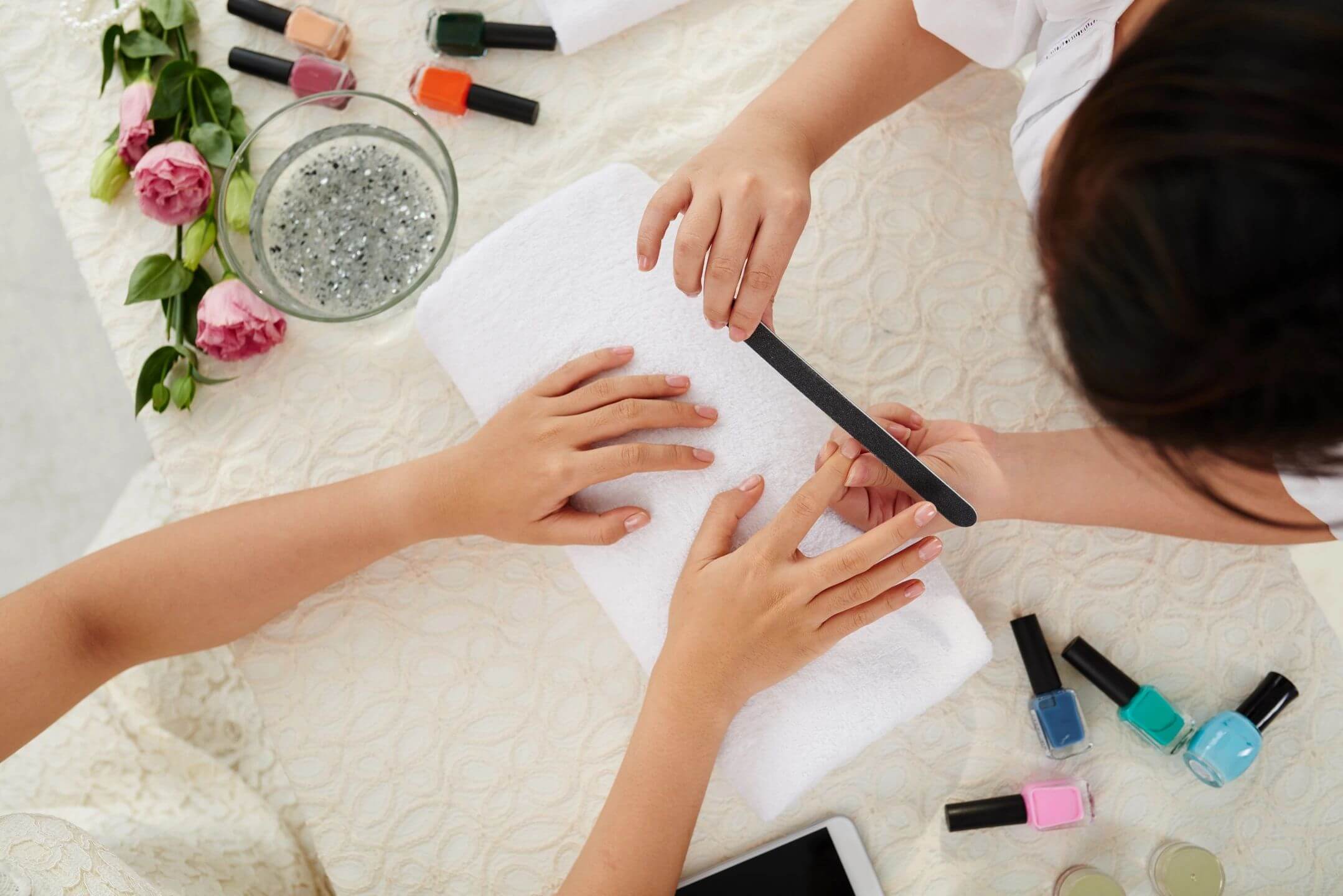
Nail salons play a major role in personal grooming and appearance. Regular manicures and pedicures help people maintain clean, polished nails and healthy-looking feet. However, when proper sanitation protocols are not followed, nail salons can become a source of fungal nail infections.
Toenail fungus spreads through microscopic fungal spores that survive on surfaces such as nail clippers, files, foot basins, and other reusable tools. If technicians do not thoroughly sterilize equipment between clients, those spores can transfer from one person to another. Because fungal infections often begin subtly, an infected client may not even realize they carry the fungus.
While many nail salons follow strict sanitation guidelines and prioritize client safety, standards can vary. Proper sterilization requires more than simply wiping tools with disinfectant. Professional-grade cleaning, disposable instruments when appropriate, and strict hygiene practices significantly reduce the risk of transmission.
Some salons decline to treat visibly infected nails to protect other clients. Although this may feel inconvenient, it helps prevent the spread of fungal infections within the salon environment.
Understanding how toenail fungus spreads empowers you to ask questions about sterilization practices and make informed choices about where you receive nail services.
Are Nail Salons Sanitary?
Toenail fungus spreads easily through contaminated tools and surfaces. In nail salons, clippers, files, cuticle pushers, and foot basins can carry fungal spores from one client to another. If a technician uses equipment on an infected nail and fails to properly sterilize it, the next client faces a real risk of exposure.
Fungal spores survive on metal and plastic surfaces for extended periods. Simply wiping tools with disinfectant does not eliminate all microorganisms. Proper sterilization requires medical-grade cleaning procedures. Without those steps, the fungus can transfer quickly between customers. This is why choosing a reputable nail salon matters.
However, not all nail salons ignore sanitation. Many follow strict hygiene standards and take sterilization seriously. Some salons even decline to treat clients with visible fungal infections to protect others. While this may feel inconvenient, it demonstrates responsibility and prioritizes public health.
Other salons use separate tools for infected clients or require customers to bring personal equipment. Bringing your own nail tools adds an extra layer of protection and reduces cross-contamination risk.
As a client, you should feel comfortable asking how tools are cleaned and sterilized. Responsible salons welcome these questions. Understanding how toenail fungus spreads helps you make safer decisions and avoid unnecessary infections.
Antifungal Nail Polishes
If you are sure that your nail salon properly sanitizes its equipment, then it might be okay to keep going to them. However, simply wearing nail polish could lead to a nail fungus infection. Try asking your nail salon if they would be willing to use antifungal nail polishes. If they use an antifungal nail polish, the chances of you getting a nail fungus infection will decrease. If they refuse to use antifungal nail polish or don’t sterilize their equipment properly, you would be better off taking your business elsewhere.
Importance of Nail Tool Sterilization
Toenail fungus is very contagious. When nail salon tools, such as toenail clippers, come into contact with someone who has been infected with toenail fungus, that nail fungus could easily and quickly spread to the next person who uses the same tool. Unless that equipment is properly sterilized following the manicure or pedicure. If this is not done, the fungus will continue to spread from one person to another.
How to Avoid Nail Fungus
Toenail fungus spreads easily through shared tools. When clippers, files, or cuticle instruments touch an infected nail, they can carry fungal spores to the next client. If the salon fails to properly sterilize equipment after each use, the fungus remains on the tools and transfers quickly from person to person.
Effective sterilization requires more than a quick rinse or surface wipe. Salons should use hospital-grade disinfectants or autoclave systems to eliminate bacteria and fungal organisms. Without proper sanitation, even a routine pedicure can increase your risk of infection.
If you trust that your nail salon follows strict sterilization protocols, you may feel comfortable continuing services there. However, you should still take precautions. For example, thick layers of traditional nail polish can trap moisture against the nail plate. Moisture creates an ideal environment for fungal growth, especially if the nail already has minor damage.
You can ask your technician about antifungal base coats or breathable nail products designed to reduce moisture buildup. You can also bring your own tools to limit cross-contamination. A reputable salon will respect these concerns and answer your questions clearly.
If a salon cannot explain its sanitation process or refuses reasonable safety requests, consider choosing a different provider. Protecting your nail health always outweighs convenience.