Knowing the Stages of Nail Fungus
Understanding the stages of toenail fungus is crucial for recognizing the infection early and seeking effective treatment. Toenail fungus often starts subtly, making it easy to overlook until it progresses to more noticeable and harder-to-treat stages. By knowing the typical signs of each stage, from minor discoloration to severe nail thickening, individuals can take action before the infection worsens. Early detection not only increases the likelihood of successful treatment but also helps prevent the fungus from spreading to other nails or surrounding skin. Learning about these three stages empowers people to protect their nail health and maintain comfortable, healthy feet.
Causes of Toenail Fungus
Toenail fungus, or onychomycosis, is caused by various types of fungi, most commonly dermatophytes, but also yeasts and molds. These microorganisms thrive in warm, moist environments, which is why fungal infections often develop in sweaty shoes, locker rooms, and public pools. The fungus enters the nail through tiny cracks or cuts in the nail or surrounding skin, allowing it to grow underneath the nail plate.
Poor foot hygiene, such as not washing or drying feet properly, can increase the risk of infection. Tight or non-breathable footwear traps moisture, creating an ideal environment for fungal growth. Individuals with weakened immune systems, diabetes, or poor circulation are more susceptible because their bodies are less able to fight off infections. Nail trauma, like stubbing a toe or repeated pressure from ill-fitting shoes, can also make nails vulnerable.
Sharing personal items such as nail clippers, shoes, or socks with someone who has a fungal infection can lead to transmission. Walking barefoot in communal areas, like gyms, showers, or swimming pools, increases exposure to fungal spores. Genetics may also play a role, as some people are more prone to infections. Age is also another factor, as nails naturally thicken and grow more slowly over time, making it easier for fungi to take hold.
Tips to Prevent Nail Fungus
Preventing nail fungus involves maintaining proper foot hygiene and minimizing exposure to environments where fungi thrive. Simple daily habits can greatly reduce the risk of infection and reinfection. The following tips help keep your nails healthy and protected:
- Keep feet clean and dry: Wash daily and dry thoroughly, especially between the toes.
- Wear breathable shoes: Choose footwear that allows airflow and avoid tight shoes.
- Change socks often: Replace socks when damp and opt for moisture-wicking materials.
- Trim nails correctly: Cut nails straight across and keep them short.
- Avoid going barefoot in public areas: Use sandals in pools, locker rooms, and showers.
- Disinfect nail tools: Clean clippers and files regularly and never share them.
- Protect your feet: Wear properly fitted shoes to prevent nail injuries.
Because nail fungus can live deep under the nail and in surrounding skin, these preventive habits reduce risk but cannot completely eliminate the fungus or guarantee a full cure on their own.

Why Home Remedies Rarely Work
Many people turn to DIY treatments for toenail fungus, including vinegar soaks, tea tree oil, Vicks VapoRub, hydrogen peroxide, and even bleach. While these methods can sometimes improve the nail’s appearance or reduce odor temporarily, they rarely eliminate the infection completely.
The main reason is that home remedies cannot penetrate the nail deeply enough to reach the root of the fungus, where the infection actually resides.
Home remedies may help to:
- Soften thick, infected nails, making them easier to trim and manage
- Reduce unpleasant odors caused by bacteria and fungi
- Support general foot hygiene
However, they usually do not:
- Reach the fungus under the nail
- Stop the infection from spreading
Overall, home remedies might improve the appearance of your nails, but they rarely provide a true or lasting cure for toenail fungus.
Laser Toenail Fungus Treatment
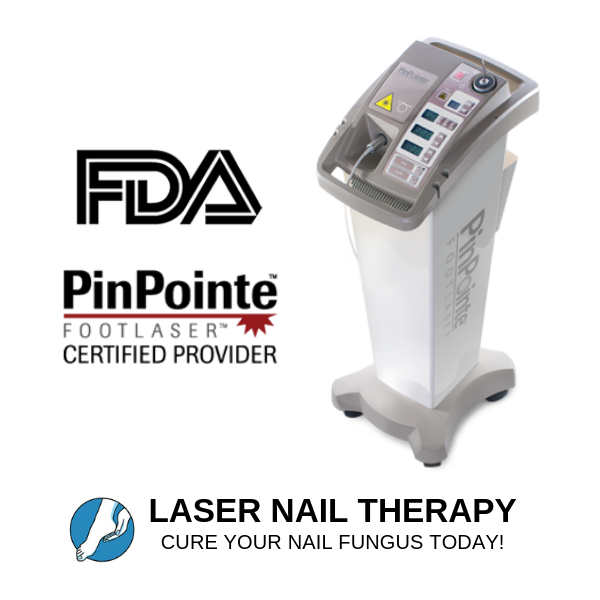
Laser therapy has emerged as one of the most effective modern solutions for persistent toenail fungus. At Laser Nail Therapy, we use the FDA-cleared PinPointe laser, which specifically targets fungus under the infected nails without harming surrounding skin or healthy nail tissue.
The treatment works by passing a focused beam of light safely through the nail plate, reaching the fungus in the nail bed. The laser heats and destroys fungal cells while leaving surrounding tissue unharmed. Most patients feel only a gentle warmth or tingling, with no pain, and can resume normal activities immediately afterward. Over time, as a healthy new nail grows, it gradually replaces the infected nail.
Many patients prefer laser treatment because it is non-invasive, safe, and painless, requiring no medications or recovery time. The therapy targets the fungus directly, making it effective even for long-standing infections. For many individuals, laser treatment is the first option that delivers real and lasting results, restoring the nail’s appearance and health. It also offers a convenient and quick treatment option as there is no downtime, which allows patients to resume their normal activities immediately.
Schedule a Consultation
If you have any signs of nail fungus, don’t wait. Early treatment is key to preventing the infection from worsening or spreading to other nails. Our experienced nail doctors offer the PinPointe laser treatment, the most effective and safe method for curing nail fungus without medications or downtime. The procedure is quick, painless, and targets the fungus directly, helping your nails grow healthy and clear again. Call us today at (800) 672-0625 or visit our website to schedule a free consultation at a location near you. Take the first step toward healthy, beautiful nails and stop toenail fungus before it gets worse.