A Complete Guide to Choosing the Right Treatment Option
Toenail fungus can be frustrating. It can start with a small white or yellow spot and gradually turn into a thick, discolored, brittle, or misshapen toenail. For many people, the problem is more than cosmetic. Thick nails can become uncomfortable inside shoes, nails can become difficult to trim, and some people may feel embarrassed about showing their feet.
The good news is that there are several ways to address toenail fungus. One option that has become popular among people looking for an in-office, medication-free approach is laser treatment for toenail fungus.
At Laser Nail Therapy, our foot doctors use the PinPointe FootLaser as an option for nails affected by a toenail fungus infection.
But how does laser treatment compare with creams, prescription medications, home remedies, and other options? Is laser treatment right for everyone? And what can you do after treatment to help prevent toenail fungus from coming back?
What Is Toenail Fungus?
Toenail fungus, also called onychomycosis, is a fungal infection involving the toenail. It is common and tends to affect toenails more often than fingernails.
A fungal infection may begin at the edge of the nail and gradually move deeper. Over time, the nail may become:
- Yellow, white, brown, or discolored
- Thickened
- Brittle or crumbly
- Distorted
- Difficult to trim
- Separated from the nail bed
- Unpleasant cheesy smell in some cases
Some people have only one affected toenail, while others develop the infection in several nails.
Toenail fungus can be difficult to manage because the fungus may be located underneath or within the nail. Toenails also grow slowly, meaning that even when treatment is successful, it takes time for a healthier-looking nail to grow out.
Another important point is that not every thick or discolored toenail is caused by fungus.
Injuries, repeated pressure from shoes, psoriasis, and other nail conditions can create symptoms that look similar to a fungal infection. That is why an evaluation by our foot doctors is an important first step before beginning any type of treatment.
Why Is Toenail Fungus So Difficult to Treat?
One of the biggest challenges with toenail fungus is the location of the infection. Unlike athlete’s foot, which affects the skin, toenail fungus involves the nail and surrounding structures. The hard nail plate can make it difficult for topical products to reach all of the areas where fungus may be present.
Additionally, toenails also grow slowly. Think of a toenail like a timeline. The portion of the nail you see today was produced months ago. Even if treatment addresses the fungal problem, the damaged portion of the nail does not simply disappear overnight.
Instead, a new nail has to grow from the base and gradually replace the damaged portion. This is why patience is important with almost every toenail fungus treatment. You may begin noticing healthier-looking growth near the base of the nail before the entire nail looks normal.
What Is PinPointe FootLaser?
The PinPointe FootLaser is a laser device that has been specifically associated with the treatment of toenail fungus infections. The PinPointe FootLaser has been FDA-approved since 2010. At Laser Nail Therapy, the PinPointe laser is used as an in-office treatment option for people dealing with toenail fungus.
The basic idea is straightforward: focused laser energy is directed through the affected nail toward the areas where fungal organisms may be present. Unlike an oral medication, the treatment is not a drug that travels throughout your body. For people who are interested in a medication-free approach, this can make laser treatment an appealing option to discuss with a foot-care professional.
How Does Laser Treatment Work?
During a typical treatment, the laser is directed over the affected toenail according to the foot doctor’s treatment protocol. The laser energy passes through the nail toward the underlying area. The goal is to deliver controlled energy to the affected nail without unnecessarily damaging the surrounding skin.
Patients commonly describe the treatment as painless, with a slight warming sensation. The exact experience can vary depending on the individual, the condition of the nail, and the treatment approach used by the foot doctor.
One of the major advantages of an in-office laser treatment is convenience. There is generally no need for anesthesia or a lengthy recovery period, and many patients can return to their daily activities right after the treatment.
Laser Nail Therapy specializes in toenail fungus treatment using the PinPointe FootLaser and offers consultations to determine whether the treatment is appropriate for an individual’s condition.
Does the Laser Make the Toenail Look Healthy Immediately?
No, this is one of the most important things to understand about toenail fungus treatment. A laser treatment does not instantly transform an existing thick or discolored toenail into a completely clear nail. The damaged portion of the nail has already grown.
Instead, improvement generally becomes visible as new nail grows from the base of the toenail and gradually replaces the older nail. Depending on the individual and the extent of the nail damage, this process can take several months, typically between six to nine months.
This means you should not judge the success of treatment after only a few days or weeks. Healthy-looking growth near the base of the nail can be an encouraging sign, but complete nail growth takes time.
The Pros of PinPointe Laser Treatment
There are several reasons people consider laser treatment for toenail fungus.
- No Oral Medication: One of the most appealing aspects of laser treatment is that it does not require taking an oral antifungal medication. Oral antifungal medications can be effective, but they are not appropriate for everyone.
- Quick In-Office Treatment: Another advantage is convenience. Laser treatment is performed in an office and generally does not require a recovery period. For busy people, the ability to have treatment performed during a relatively short appointment and return to daily activities afterward can be appealing.
- No Lengthy Daily Medication Routine: Some topical medications require daily application for many months. For some people, remembering to apply a treatment every day for an extended period can be difficult. Laser treatment offers a different model: an in-office procedure rather than a daily medication routine. This can be particularly convenient for people who have already tried topical products and struggled with consistency.
- No Need for Anesthesia: PinPointe laser treatment does not require anesthesia. Patients may experience a slight warming sensation during treatment, but there is no injection or surgical incision involved.
- Minimal Downtime: Because laser treatment is non-surgical, there is no lengthy recovery period. Many people are able to resume their daily activities right after their appointment. Your foot doctor may give you specific instructions regarding nail care, footwear, antifungal products, and other post-treatment steps.
Laser Treatment May Not Work for Every Person
Individual results vary. The condition of the nail, severity of infection, number of affected nails, overall foot health, and adherence to aftercare can all influence results. No toenail fungus treatment should be presented as a guaranteed cure for everyone.
The Nail Still Takes Time to Grow
Laser treatment does not make toenails grow faster. Even after treatment, you must wait for a new nail to grow in to replace the damaged portion. This can take many months, typically between six and nine months.
Reinfection Is Possible
Treating the existing problem does not make a person permanently immune to toenail fungus. You can become exposed to a toenail fungus infection again through sweaty shoes, damp environments, locker rooms, swimming pools, shared showers, nail salons, or untreated athlete’s foot. That is why prevention is such an important part of long-term nail health.

Prescription Topical Treatments: Do They Work?
Topical antifungal treatments are another option. These medications are applied directly to the affected nail. Examples include prescription products such as ciclopirox, efinaconazole, and tavaborole. Depending on the medication, treatment may need to continue for many months.
Why Don’t Topicals Always Work Well?
The biggest challenge is penetrating all the way to the nail bed. The nail is a hard structure, and topical medication has to reach the areas affected by the fungus. For some patients, topical treatment can work, particularly when the infection is relatively limited. But treatment requires patience and consistency. Missing applications can make it harder to achieve the desired outcome.
For people with thicker or more extensive nails, the limitations of topical treatment can become especially frustrating. This is one reason some people explore in-office treatments such as laser therapy.
Oral Antifungal Medication
Oral antifungal medication is another established treatment option. Some oral antifungal medications can be more effective than topical treatments, and they are often used when the infection is more significant.
However, oral medication is not right for everyone. Potential concerns include:
- Medication interactions
- Side effects
- The risk of liver toxicity
- The need for medical supervision
- Treatment courses lasting several weeks
- Waiting months for the damaged nail to grow out
Some patients prefer oral medication because of its established role in fungal treatment. Others would rather avoid taking a systemic medication if they have another option.
Why Do Some People Choose Laser Instead of Oral Medication?
For many patients, the decision comes down to convenience and comfort with medication. Someone may not want to take a medication that travels throughout the body. Another person may already be taking several medications and want to avoid potential drug interactions. Someone else may simply prefer an in-office treatment.
Laser treatment offers an alternative approach that does not involve oral antifungal medication. However, patients should discuss all available options with a foot doctor rather than assuming one treatment is best for everyone.
What About Over-the-Counter Antifungal Products?
There are many antifungal products available without a prescription. These products can be useful for certain fungal skin infections and may be helpful as part of a broader foot care routine.
The challenge is that treating a fungal infection of the skin is different from treating a fungal infection involving the nail. The hard nail plate can make penetrating the nail bed difficult.
For this reason, simply applying a product to the top of a thick toenail may not be enough to resolve a toenail fungus infection. This does not mean every topical product is useless. Rather, it means expectations should be realistic.
What About Tea Tree Oil?
Tea tree oil is one of the most frequently mentioned home remedies for toenail fungus. You may see recommendations online suggesting that applying tea tree oil to an affected toenail will eliminate the infection.
There is limited clinical research surrounding tea tree oil, but that does not mean it is a proven replacement for established medical treatment options.
The American Academy of Dermatology notes that small studies have suggested potential benefits but that larger studies are needed to determine how effective these approaches really are.
In simple terms: Something that shows antifungal activity in a laboratory does not automatically mean it will cure a fungal infection inside a toenail.
The same principle applies to many popular home remedies.
What About Vinegar, Bleach, Mouthwash, or Other Home Remedies?
The internet is full of recipes for treating toenail fungus at home. Some involve vinegar. Others recommend mouthwash, bleach, essential oils, hydrogen peroxide, or other household ingredients. The problem is that these approaches are not necessarily supported by strong evidence showing that they can reliably eliminate a toenail fungus infection.
Some can also irritate or damage the skin surrounding the nail. Instead of experimenting with harsh household chemicals, it is better to have the nail evaluated and discuss appropriate treatment options.
Why Home Remedies Often Disappoint
The problem with many home remedies is not necessarily that they have no antifungal properties. The bigger issue is whether the substance can reach the infection. A toenail is not the same as a glass surface in a laboratory. The fungus may be beneath the nail, within damaged nail layers, or associated with the nail bed.
That makes treatment much more complicated. This is one reason established treatment options and professional evaluation by a foot doctor are important when a toenail fungus infection persists.
Does Filing the Toenail Help?
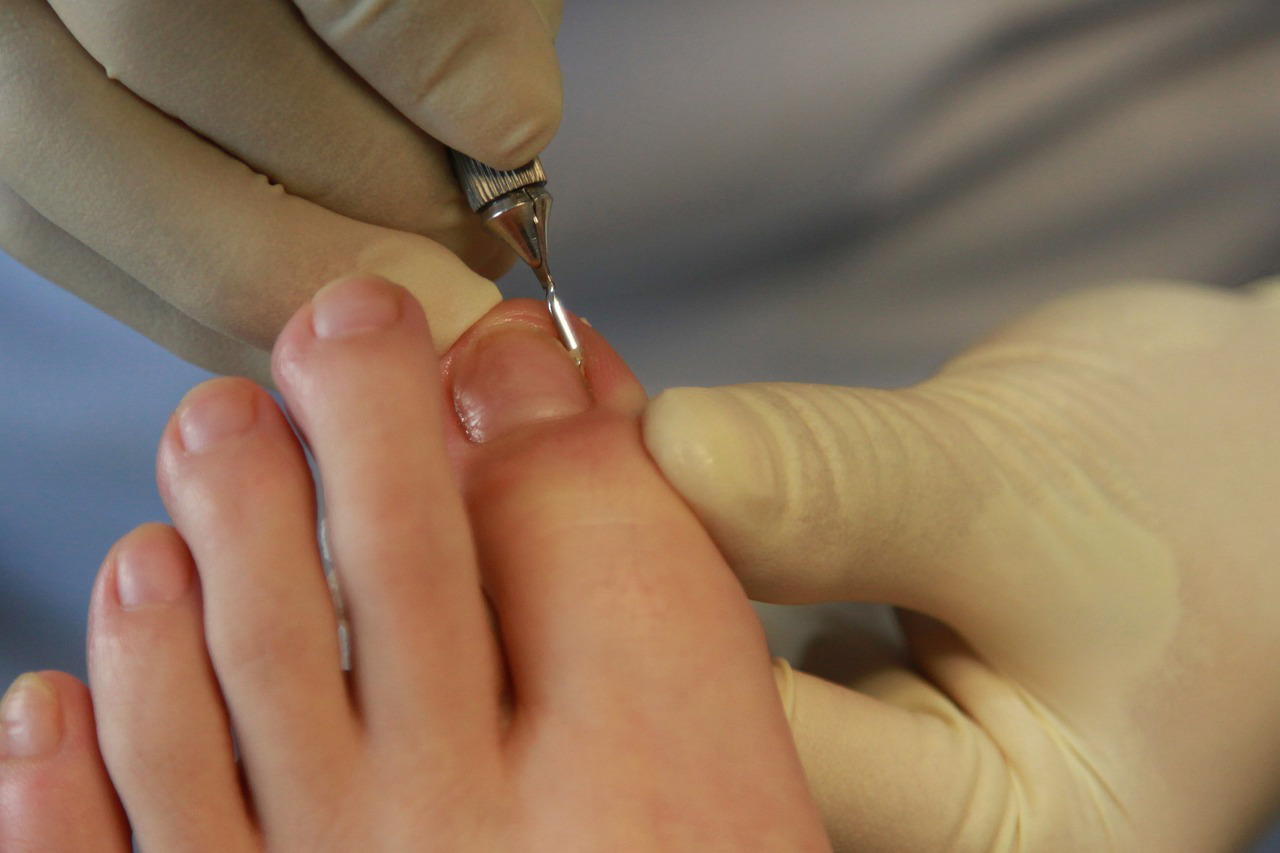
Nail trimming and thinning can be helpful. A thick toenail can be uncomfortable and difficult to manage. Keeping the nail trimmed can reduce pressure and help with aftercare after treatment.
Healthcare providers may also debride or thin a thickened nail. However, filing the nail alone is not necessarily enough to eliminate an established fungal infection. Think of filing as part of nail care rather than a complete treatment by itself.
What About Removing the Toenail?
In severe cases, a foot doctor may recommend removing the nail temporarily so treatment can be done directly to the nail bed. Surgical removal is much less common and is generally reserved for specific situations. Removing the nail does not necessarily eliminate the underlying issue of a toenail fungus infection. Because toenails take so long to grow, nail removal is also a significant decision. For most people, less invasive treatment options are considered first.
Laser Treatment vs. Other Treatment Options
When comparing options, it helps to look at the basic differences.
Laser treatment
- In-office procedure
- Does not involve oral medication
- No downtime
- Focused treatment of the affected nail
- Nail improvement takes time as the nail grows
Topical prescription medication
- Applied directly to the nail
- Requires consistent use
- May take months for any results to show
- Can be useful for certain infections
- Nail penetration can be challenging
Oral antifungal medication
- Taken by mouth
- Can be effective
- May involve medication interactions or side effects (like liver toxicity)
- May require medical monitoring
- The nail still takes months to grow out
Home remedies
- Convenient
- Evidence varies widely
- May not penetrate the nail sufficiently
- Some remedies can irritate the skin
There is no universal treatment that is perfect for every patient. The best option depends on the diagnosis, severity, health history, preferences, and goals.
What Happens During a Laser Treatment Appointment?
The first step is an examination of the toenail. This is important because not every abnormal toenail is caused by fungus. Once the foot doctor determines that laser treatment is the best option, the affected nail is prepared.
The PinPointe laser is then passed over the affected nail. The treatment is designed to deliver controlled laser energy through the nail. Many patients report that the procedure is comfortable. A warming sensation may be felt during treatment. Once the treatment is finished, there is no recovery period. Your foot doctor will give you specific instructions for caring for your nails afterward.
What Should You Expect After Treatment?
The most important thing to remember is patience. Your existing toenail may continue to look discolored or damaged after treatment. That does not mean that nothing is happening. The nail you see today is already damaged.
As the nail grows, new nail emerges from the base. Over time, the older nail can be trimmed away and replaced by newer nail growing in. This process is gradual. It can typically take between six to nine months for a fully healthy nail to grow in.
Why Post-Treatment Care Matters
Laser treatment is only one part of maintaining healthy toenails. Even after treatment, your feet can be exposed to the same fungi that caused the original infection.
If your shoes remain damp, your socks stay sweaty, or you continue walking barefoot in contaminated environments, you may increase your chances of developing another infection. This is why prevention should become part of your normal routine.
How to Prevent Toenail Fungus From Coming Back
Here are some tips on how to prevent getting reinfected by toenail fungus:
- Keep Your Feet Clean and Dry: Wash your feet regularly and dry them thoroughly. Do not forget the spaces between your toes. Fungus thrives in warm, moist environments, so reducing moisture is one of the simplest ways to protect your feet.
- Change Your Socks Regularly: If your feet sweat heavily, change your socks during the day. Moist socks create an environment where fungus can thrive. Choose socks that help manage moisture and allow your feet to stay as dry as possible.
- Don’t Wear the Same Damp Shoes Every Day: Allow shoes to dry. If your shoes become heavily sweaty, rotate between pairs when possible. Antifungal powders or sprays may also be recommended as part of a prevention routine.
- Wear Shoes in Public Areas: Locker rooms, public showers, pools, and similar environments can expose your feet to fungi. Wear sandals or shower shoes rather than walking barefoot. This simple habit can reduce unnecessary exposure.
- Keep Toenails Trimmed: Keep your toenails at a manageable length. Trim them straight across and smooth rough edges with a file. Long nails can create additional spaces where debris and moisture accumulate. The Mayo Clinic also recommends disinfecting nail clippers after use.
- Do Not Share Nail Tools: Do not share nail clippers, files, or other pedicure tools. If you get professional pedicures, choose a salon that follows appropriate sanitation and sterilization practices.
- Be Careful With Pedicures: A pedicure can be enjoyable, but damaged skin around the nail can create opportunities for infection. Avoid aggressive cuticle cutting. Make sure instruments are properly cleaned and sterilized between customers.
- Treat Athlete’s Foot: Athlete’s foot and toenail fungus can be connected. A fungal infection on the skin can spread to the toenails. If you have peeling, itching, burning, or cracking between your toes, don’t ignore it. Treating athlete’s foot can be an important part of protecting your toenails.
Who May Be a Good Candidate for Laser Treatment?
Laser treatment may be worth discussing if you:
- Have thick, yellow, brittle, or discolored toenails
- Have already tried topical products
- Prefer not to take oral antifungal medication
- Want an in-office treatment
- Want a treatment with no downtime
- Are looking for a medication-free approach
However, the first step is determining whether the nail changes are actually caused by fungus. If the underlying problem is something else, treating the nail for fungus may not provide the result you expect.
When Should You See a Professional?
You should consider professional evaluation if your toenail becomes increasingly thick, discolored, painful, or distorted. You should also seek medical advice if:
- The nail is separating from the nail bed
- You have pain or swelling
- You have bleeding around the nail
- You are having difficulty walking
- The infection appears to be spreading
- Self-care has not helped
People with certain medical conditions, including diabetes or circulation problems, should be particularly careful with foot and nail problems and should discuss appropriate care with a healthcare professional.

Don’t Assume Every Yellow Toenail Is Fungus
This point deserves repeating. A yellow, thick toenail does not automatically mean you have toenail fungus. Trauma can cause nail discoloration. Repeated pressure from shoes can damage the nail. Certain skin conditions can affect nail appearance.
Other infections can also produce nail changes. The American Academy of Dermatology recommends confirming suspected nail fungus before beginning treatment because other nail disorders can look similar. A proper evaluation can help you avoid spending time and money treating the wrong condition.
Why Choose Laser Nail Therapy?
Laser Nail Therapy specializes in treating toenail fungus infections with the PinPointe FootLaser. We specialize in nail fungus treatment rather than providing it as one small part of a much larger list of services. Laser Nail Therapy currently uses the PinPointe FootLaser across its network of locations.
For someone who has been frustrated by thick, yellow, or damaged toenails, having a treatment option focused specifically on the nail can be appealing. The process begins with an evaluation, followed by a discussion of whether laser treatment is the best treatment option. The goal is not simply to make the nail look better temporarily. The goal is to address the underlying fungal nail problem and encourage healthier-looking nail growth over time.
How Long Does It Take to See Results?
Toenails grow slowly, so results should be viewed over months rather than days. You may begin to see clearer nail growth emerging near the base of the nail before the entire nail looks healthy.
The final appearance depends on how quickly your nails grow and how much damage occurred before treatment. For this reason, it is important not to become discouraged if the nail still looks abnormal shortly after treatment. The existing nail has to grow out.
Can Toenail Fungus Come Back After Laser Treatment?
Yes, reinfection is possible after any successful treatment. This is one of the most important things to understand about toenail fungus. Getting rid of an existing infection does not prevent you from being exposed to fungus again.
For example, if someone receives treatment but continues wearing damp shoes every day, walks barefoot in public showers, or has untreated athlete’s foot, they may remain at risk. Prevention should therefore continue after treatment. The Mayo Clinic notes that repeat infections are common even when treatment has improved the nail.
Is Laser Treatment Better Than Other Options?
That depends on what you mean by “better.” If your priority is avoiding oral medication, laser treatment may be attractive. If your priority is the lowest possible cost, a topical or generic medication may be more affordable.
There is no single treatment that is right for every person. The advantage of laser treatment is that it gives patients another option. Especially people who want an in-office, medication-free approach.
A Simple Approach to Healthier Toenails
If you are dealing with suspected toenail fungus, the process does not have to be complicated.
Step 1: Get the nail evaluated. Make sure the nail changes are actually caused by fungus.
Step 2: Learn about your options. Discuss laser treatment, topical medications, oral medications, and other appropriate approaches.
Step 3: Choose the option that fits your needs. Consider effectiveness, convenience, cost, medication concerns, and the severity of the infection.
Step 4: Follow your aftercare instructions. Treatment does not end when you leave the office.
Step 5: Protect your feet. Keep them clean and dry, change socks regularly, wear breathable shoes, and use footwear in public wet areas.
Step 6: Be patient. Healthy toenails take time to grow.
Is PinPointe Laser Treatment Worth Considering?
Toenail fungus can be stubborn, but you don’t have to live with thick, yellow, brittle, or damaged toenails without exploring your options.
PinPointe FootLaser offers an in-office approach for people who want to address toenail fungus without taking oral antifungal medication. Treatment is generally quick, does not require anesthesia or downtime, and focuses laser energy on the affected nail.
At the same time, it is important to have realistic expectations. The existing damaged nail will not suddenly become clear after treatment. Toenails grow slowly, and healthier-looking nails develop gradually as new nail replaces the damaged portion.
For people considering treatment, the best place to start is with a consultation. At Laser Nail Therapy, patients can discuss their toenail concerns with a provider and learn whether PinPointe laser treatment may be appropriate for them.
And remember: treating toenail fungus is only half the battle. Keeping your feet dry, wearing clean socks, choosing breathable shoes, protecting your feet in public wet areas, keeping nail tools clean, and treating athlete’s foot can all help reduce the chance of the problem returning. If you are tired of hiding your feet because of toenail fungus, learning about your treatment options is the first step toward healthier-looking nails.
Laser Treatment for Toenail Fungus
As you can see, tips for healthy feet without nail fungus can be easy to find. If you have caught nail fungus, it can be easily treated using the FDA-approved PinPointe laser. It typically only takes one treatment. Other treatments, like topical solutions and oral medication, are not as effective. Topical solutions have a very low cure rate. This is because the solution does not penetrate all the way through the nail bed. Oral medication is not recommended by our nail doctors. This is because it can lead to liver toxicity. You would need to have consistent blood tests throughout the course of taking the medication.
Our nail doctor in Austin, TX, recommends this treatment for toenail fungus. The PinPointe Laser treatment has the highest cure rate on the market. It has no side effects and no recovery period. As a result, you can go about your daily activities right after the treatment. Also, there’s no pain.
If you have any signs of nail fungus, call us at (800) 672-0625 at our Austin, TX location. Visit our website for more information on our doctors at one of our over 150 locations.
Fun Things to Do in Austin
Austin, is a vibrant city known for live music, outdoor adventures, delicious food, and a laid-back atmosphere. Whether you are visiting for a weekend or planning a longer stay, there are plenty of fun things to do in Austin.
Explore the Outdoors
One of the best ways to enjoy the city is by spending time outdoors. Zilker Metropolitan Park is a popular destination where visitors can picnic, walk the trails, explore the gardens, and visit nearby Barton Springs Pool. The park covers more than 350 acres and is home to several attractions.
For another outdoor adventure, head to Lady Bird Lake. You can rent a kayak or paddleboard, take a leisurely walk, or bike along the Ann and Roy Butler Hike-and-Bike Trail while enjoying views of the downtown skyline.
Learn about the City
Austin is also famous for its live music scene. With hundreds of venues throughout the city, you can find everything from country and blues to rock, indie, and jazz. Catch a show at Austin City Limits Live or explore smaller venues around downtown and East Austin.
For a truly unique experience, watch the famous Congress Avenue bats take flight around sunset. During the warmer months, approximately 1.5 million Mexican free-tailed bats emerge from beneath the Congress Avenue Bridge.
Food Lovers Paradise
Finally, make time to explore South Congress Avenue, where you can browse local shops, admire colorful murals, enjoy great food, and experience Austin’s creative personality. With its combination of outdoor activities, music, food, and culture, Austin offers something exciting for nearly every type of traveler.