Understanding Toenail Fungus
Toenail fungus is a common nail problem that affects millions of people. It can cause toenails to become yellow, thick, brittle, discolored, or misshapen. Although it may begin as a small spot on one nail, the infection can gradually spread and become more difficult to manage if left untreated.
The good news is that several treatment options are available. These include prescription medications, topical antifungal products, professional nail care, and laser treatments such as the PinPointe laser offered by Laser Nail Therapy. Understanding how toenail fungus develops, recognizing the early warning signs, and choosing an appropriate treatment can help you take better care of your feet.
Many people feel embarrassed by the appearance of their toenails and may avoid wearing sandals, swimming, or participating in activities that expose their feet. However, toenail fungus is a common condition, and developing an infection does not necessarily mean that someone has poor hygiene. Fungi thrive in warm, moist environments, and exposure can happen in everyday places such as locker rooms, swimming pool areas, gyms, and shared showers.
What Is Toenail Fungus?
Toenail fungus, medically known as onychomycosis, is an infection that affects the nail plate, nail bed, or surrounding nail structures. It is usually caused by fungi that feed on keratin, a protein found in nails and skin. Because toenails grow slowly and often remain inside warm shoes for hours each day, they provide an environment where fungi can survive and multiply. Once the fungus enters the nail, it can be difficult to eliminate because the nail plate acts as a protective barrier.
The infection often begins at the edge or tip of a toenail. Over time, the fungus may move deeper into the nail, causing changes in its color, thickness, and texture. In some cases, the nail may begin separating from the nail bed or develop debris underneath it. Toenail fungus can affect one nail or several nails. The big toenail is frequently involved because it experiences pressure from shoes and may be more vulnerable to repeated minor injuries. However, any toenail can develop an infection. It is important to understand that not every discolored or thickened toenail is caused by fungus. Repeated pressure, nail injuries, certain skin conditions, and other medical issues can produce similar changes. A healthcare professional can help determine the cause and recommend an appropriate treatment.
Common Symptoms of Toenail Fungus
Toenail fungus usually develops gradually. At first, the changes may be subtle, making them easy to overlook. Recognizing the early symptoms can help you seek advice before the nail becomes significantly damaged.
- Yellow, white, or brown discoloration: One of the earliest signs is a small white, yellow, or pale brown spot beneath the nail or near its edge. As the infection progresses, the discoloration may spread across more of the nail. Some nails develop darker brown or greenish-looking areas, although other conditions can cause similar changes.
- Thickened toenails: An infected toenail may become thicker than normal. This can make it difficult to trim and uncomfortable when wearing tight shoes. Thickening can also occur from repeated trauma, so it is not proof of a fungal infection by itself.
- Brittle, cracked, or crumbly nails: The nail may become rough, split easily, or crumble around the edges. As the structure weakens, routine trimming may become more difficult, and small pieces of the nail may break away.
- Separation from the nail bed: A portion of the nail may lift away from the skin underneath it. This is called onycholysis. The separated area can appear white or yellow because air gets underneath the nail, and debris may collect in the gap.
- Changes in nail shape and texture: The nail may become uneven, ridged, distorted, or unusually dull. Its surface may lose its normal smooth appearance as the infection progresses.
How Do People Get Toenail Fungus?
Toenail fungus develops when fungi enter the nail or the skin around it and begin to grow. These organisms are common in the environment, and exposure can happen in places people visit every day. Fungi grow best in warm, damp conditions. Shoes that trap heat and moisture, sweaty socks, and shared shower floors can all create opportunities for fungal growth. However, simply coming into contact with fungi does not guarantee an infection. The condition is more likely to develop when the nail or surrounding skin is vulnerable.
1. Walking Barefoot in Public Areas
Locker rooms, public showers, swimming pool decks, and gym changing rooms can expose your feet to fungi. These areas are often damp, and people may walk through them while carrying fungal infections on their feet. Walking barefoot in these locations increases your exposure, particularly if you have small cuts, cracked skin, or an existing fungal infection. How to protect yourself? Wear shower shoes, sandals, or other protective footwear in shared wet areas. Avoid walking barefoot around communal pools and locker rooms.
2. Wearing Tight or Sweaty Shoes
Shoes that fit too tightly can put repeated pressure on your toenails. This pressure may cause tiny injuries that make it easier for fungi to enter. Tight, poorly ventilated shoes can also trap sweat, creating a warm environment where fungi thrive. Athletes, runners, hikers, and people who spend long hours wearing work boots may be particularly vulnerable. How to protect yourself: Choose shoes with enough room for your toes, wear moisture-wicking socks, and allow shoes to dry thoroughly between uses.
3. Sharing Nail Clippers and Pedicure Tools
Nail clippers, files, and other grooming tools can carry fungal material from one person to another if they are not cleaned and disinfected properly. This can happen at home when family members share grooming tools or at nail salons where proper sanitation procedures are not followed. How to protect yourself: Use your own nail clippers and files whenever possible. If you visit a nail salon, choose a reputable establishment that follows appropriate cleaning and disinfection practices.
4. Having Athlete’s Foot
Athlete’s foot is a fungal infection that affects the skin, often between the toes or along the soles of the feet. It can cause itching, peeling, redness, and cracking. The fungi responsible for athlete’s foot can spread from the skin to the toenails. If the skin infection is not treated, it may provide a continuing source of fungal exposure. How to protect yourself: Treat athlete’s foot promptly with an appropriate antifungal product. Keep the spaces between your toes clean and dry, and avoid scratching infected skin before touching your nails.

5. Sharing Towels, Socks, or Footwear
Fungal material can sometimes transfer through contaminated personal items, particularly when they remain damp or are shared with someone who has an active infection. Sharing shoes, socks, towels, or other foot-care items can increase exposure. How to protect yourself: Avoid sharing personal foot-care items. Wash towels and socks regularly, and make sure they dry completely before being used again.
6. Nail Injuries
A cracked, damaged, or partially lifted toenail can create an opening for fungi. Even repeated minor trauma from running or wearing tight shoes may increase vulnerability over time. Toenails that have been injured can also change in appearance, which sometimes makes it difficult to distinguish a fungal infection from damage alone. How to protect yourself: Trim your nails carefully, avoid cutting them too short, and wear protective footwear during activities that could injure your toes.
Who Is More Likely to Develop Toenail Fungus?
Anyone can develop toenail fungus, regardless of age, occupation, or personal hygiene habits. However, certain factors increase the likelihood of infection.
- Older adults: Toenails generally grow more slowly with age and may become thicker or more brittle. Older adults also tend to have had more years of exposure to fungi.
- Athletes and active individuals: Sweaty shoes, repeated nail trauma, shared locker rooms, and communal showers can increase exposure.
- People with diabetes: Diabetes can be associated with circulation problems, reduced sensation, and a greater risk of complications from foot infections.
- People with athlete’s foot: An existing fungal infection of the skin can spread to the toenails.
- People with a history of nail injuries: Damaged nails may provide an easier entry point for fungi.
- People with a previous fungal nail infection: Toenail fungus can return even after successful treatment.
- People with a family history of nail fungus: Genetics, shared living environments, and household exposure may contribute to increased risk.
These risk factors do not mean that an infection is inevitable. Good foot hygiene, appropriate footwear, early treatment, and regular nail checks can help lower the risk.
How Is Toenail Fungus Diagnosed?
Although toenail fungus has recognizable symptoms, other conditions can look very similar. Nail injuries, psoriasis, and certain other nail disorders can cause discoloration, thickening, crumbling, or separation from the nail bed. For this reason, it is helpful to have a suspected infection evaluated by a qualified healthcare professional before beginning a treatment plan. During an assessment, the provider may:
- Examine the affected toenail and the surrounding skin.
- Ask when the nail changes began and whether they have progressed.
- Review medical history, previous treatments, and possible risk factors.
Confirming the diagnosis is especially useful when a nail looks unusual, but the cause is uncertain. It can also help guide treatment decisions, particularly if prescription medication is being considered.
Treating Toenail Fungus With the PinPointe Laser
For people looking for an alternative to traditional oral antifungal medication, laser treatment may be an option to discuss with a qualified provider. Laser Nail Therapy offers a treatment approach centered on the PinPointe laser, a device designed for use on affected toenails.
Toenail fungus can be frustrating because the infection develops beneath a hard nail plate, making it difficult for some topical products to reach the affected area. The PinPointe laser is designed to deliver laser energy to the nail area without removing the entire nail. It is important, however, to understand both the potential advantages and the limitations of this approach before deciding whether it is right for you.
How Does PinPointe Laser Treatment Work?
The PinPointe laser directs energy toward the affected toenail using controlled pulses. The procedure is designed to treat the nail area while avoiding the need for a surgical incision or routine removal of the nail. During a treatment session, the provider applies the laser to the affected nail or nails according to the device’s treatment protocol. The experience and exact procedure may vary depending on the number of affected nails, the provider’s approach, and the condition of the nails.
A laser session does not immediately replace a damaged nail with a healthy one. Even if treatment is followed by improvement, the affected nail must grow out as a new nail develops from the nail root. Toenails grow slowly, and a big toenail can take between 6 and 9 months to grow out fully. As a result, visible improvement may take months, and the final result cannot be judged immediately after treatment.
What Happens During a PinPointe Laser Appointment?
If you are considering PinPointe laser treatment at Laser Nail Therapy, ask the provider what to expect during the appointment and whether you are a suitable candidate. A typical appointment may include the following steps.
- Evaluation of the affected nails: The provider examines the toenails and reviews the changes you have noticed. It is important to determine whether the nail changes are consistent with a fungal infection and whether additional testing or medical evaluation is needed.
- Preparation of the nails: Depending on the treatment plan, the nails may be cleaned and thickened nail material may be reduced. This can make nail care easier and may be recommended as part of a broader treatment plan.
- Application of the laser: The provider directs the laser over the affected nail area according to the device’s instructions. You may notice warmth or brief discomfort, although individual experiences vary.
- Review of aftercare and prevention: After the session, ask about any specific care instructions, the need for follow-up appointments, and ways to reduce the risk of reinfection.
The provider should also explain what outcomes are realistic, whether additional treatment may be needed, and whether an antifungal medication or another approach should be considered.
What Are the Benefits of PinPointe Laser Treatment?
Laser treatment has several features that may appeal to people with suspected toenail fungus. It does not require oral antifungal medication. Some people cannot take certain oral medications because of possible drug interactions, liver concerns, or other medical considerations. Laser treatment avoids those medication-related exposures, although it does not eliminate every treatment risk.
It is a non-surgical approach. Laser treatment does not ordinarily require surgical removal of the nail. This may appeal to people who want to avoid a nail-removal procedure. It is performed directly on the nail area. The procedure targets the affected nail rather than relying on a medication taken by mouth. It may offer an option for people who prefer a procedure-based treatment. Personal preferences, medical history, and previous treatment experiences can all influence the choice of treatment. It can be considered alongside a broader foot-care plan. A provider may recommend nail trimming, hygiene changes, treatment for athlete’s foot, or other measures to support healthy nail growth.
These potential advantages should be weighed against the available evidence. Laser therapy has not been established as a consistently effective method for eradicating nail fungus, and the results can vary. It is important to discuss established alternatives before choosing a treatment.

How to Prevent Toenail Fungus
Preventing toenail fungus is often easier than treating an established infection. The goal is to reduce exposure to fungi, limit moisture, protect the nails from injury, and avoid spreading infection between feet or from one person to another.
1. Keep Your Feet Clean and Dry
Wash your feet regularly with soap and water. After bathing or swimming, dry them thoroughly, paying particular attention to the spaces between your toes. Moisture trapped between the toes can encourage fungal growth and contribute to athlete’s foot, which can spread to the nails. If your feet sweat heavily, consider a suitable foot powder or another product recommended by a healthcare professional.
2. Change Your Socks Regularly
Clean socks help reduce the buildup of sweat and moisture inside your shoes. Choose moisture-wicking socks when possible, especially during exercise or long workdays. Change them whenever they become damp, and wash them after each use. Cotton socks may feel comfortable, but some moisture-wicking materials are better at moving sweat away from the skin during vigorous activity.
3. Choose Breathable, Properly Fitting Shoes
Shoes that are too tight can place repeated pressure on toenails, while poorly ventilated footwear can trap sweat. Look for shoes that provide enough space for your toes and allow air to circulate. Rotate between pairs when possible so that each pair has time to dry completely. Athletes and people who wear work boots for long periods may benefit from having more than one suitable pair of shoes.
4. Wear Shower Shoes in Public Areas
Use sandals or shower shoes in shared showers, locker rooms, and pool areas. Avoid walking barefoot on wet communal floors. This simple habit can reduce your exposure to fungi that may be present in these environments.
5. Keep Your Toenails Properly Trimmed
Trim your toenails straight across and avoid cutting them excessively short. Use clean nail clippers and avoid digging into the corners. Long nails can collect dirt and debris, while overly short or improperly trimmed nails may become injured or ingrown. If your nails are unusually thick or difficult to trim, ask a qualified professional for help.
6. Never Share Nail-Grooming Tools
Keep your clippers, files, and other nail-care tools separate from those used by other people. Clean and disinfect reusable tools appropriately. If you visit a nail salon, ask about its sanitation procedures and ensure that instruments are handled safely between clients.
7. Treat Athlete’s Foot Promptly
If you notice itching, peeling, redness, or cracking between your toes, do not ignore it. Athlete’s foot can spread to toenails and may persist if the skin infection is not treated. Use an appropriate antifungal product as directed and seek professional advice if the condition does not improve.

8. Avoid Nail Trauma
Protect your feet during sports, exercise, and activities that could injure your toes. Choose shoes that fit properly and avoid repeatedly striking or compressing the nails. If a toenail becomes damaged, monitor it for changes. Seek advice if it develops persistent discoloration, thickening, separation, or other concerning symptoms.
What to Expect After Toenail Fungus Treatment
One of the most important things to understand about toenail fungus treatment is that visible improvement takes time. Toenails grow slowly. Even when a treatment successfully addresses the infection, the damaged portion of the nail must grow out before the nail can look completely healthy. For some people, this process takes a year or longer, particularly when the big toenail is involved.
Be Patient With Nail Growth
Do not expect a discolored or thickened nail to look normal immediately after a laser session or the start of medication. Instead, watch for healthy-looking nail growth emerging from the base of the nail. Your provider can help assess whether the nail is improving and whether additional evaluation is needed.
Follow Your Treatment Plan
Use prescribed medication as directed, attend recommended follow-up visits, and ask questions if you are uncertain about your progress. If you choose PinPointe laser treatment at Laser Nail Therapy, ask the provider how follow-up is handled and whether additional treatment or a complementary antifungal approach may be appropriate.
Continue Preventive Care
Even after successful treatment, fungi can return. Keeping feet dry, wearing suitable footwear, avoiding shared nail tools, and treating athlete’s foot promptly can help reduce the chance of another infection. If symptoms return, seek an assessment rather than assuming that the original treatment simply needs to be repeated.
Laser Treatment for Toenail Fungus
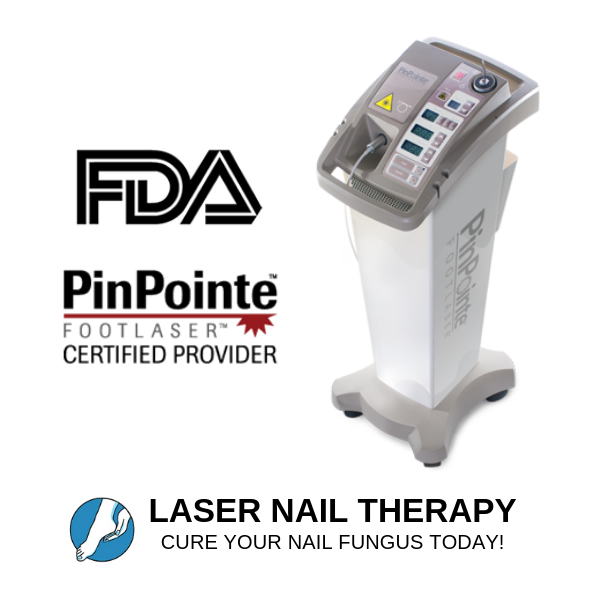
As you can see, tips for healthy feet without nail fungus can be easy to find. If you have caught nail fungus, it can be easily treated using the FDA-approved PinPointe laser. It typically only takes one treatment. Other treatments, like topical solutions and oral medication, are not as effective. Topical solutions have a very low cure rate. This is because the solution does not penetrate all the way through the nail bed. Oral medication is not recommended by our nail doctors. This is because it can lead to liver toxicity. You would need to have consistent blood tests throughout the course of taking the medication.
Our nail doctor in Baltimore, MD, recommends this treatment for toenail fungus. The PinPointe Laser treatment has the highest cure rate on the market. It has no side effects and no recovery period. As a result, you can go about your daily activities right after the treatment. Also, there’s no pain.
If you have any signs of nail fungus, call us at (800) 672-0625 at our Baltimore, MD location. Visit our website for more information on our doctors at one of our over 150 locations.
Fun Things to Do in Baltimore
Baltimore’s Inner Harbor is a great place to start your visit. Enjoy waterfront views, browse shops, and visit the famous National Aquarium to see sharks, dolphins, and colorful marine life.
Discover Baltimore’s History
History enthusiasts can explore Historic Ships in Baltimore or visit Fort McHenry National Monument and Historic Shrine, which inspired the lyrics of “The Star-Spangled Banner” during the War of 1812.
Enjoy Art and Culture
Visit the Baltimore Museum of Art to admire impressive collections and beautiful sculpture gardens. For something unique, explore the American Visionary Art Museum, featuring imaginative works by self-taught artists.
Taste Baltimore’s Local Cuisine
Food lovers should stop by Lexington Market to sample local favorites, including Maryland crab cakes and other regional specialties. Seafood is a must-try when visiting Baltimore!
Catch a Baseball Game
Sports fans can enjoy an exciting game at Oriole Park at Camden Yards during baseball season. The stadium is a popular destination for locals and visitors alike.
Stroll Through Fells Point
Finish your day exploring Fells Point, a charming historic waterfront neighborhood known for its cobblestone streets, restaurants, pubs, and scenic harbor views. With its combination of history, culture, waterfront attractions, sports, and delicious seafood, Baltimore offers plenty of fun activities for a memorable getaway.