Types of Nail Fungus
Toenail fungus, or onychomycosis, is a common condition that can cause thickened, discolored, and brittle nails. It often affects toenails more than fingernails and can be stubborn to treat. Traditional treatments, such as topical creams or oral medications, may take months to work and sometimes cause side effects. In Walnut Creek, laser treatment for toenail fungus has emerged as a modern, effective, and non-invasive alternative. Our clinics in Walnut Creek offer this service with experienced providers. Early treatment improves outcomes and prevents the infection from spreading to other nails. Patients can continue normal activities immediately after the procedure. Combining laser therapy with good foot hygiene enhances long-term results.
Nail fungus, or onychomycosis, can be caused by several types of fungi, each affecting the nail differently. The most common type is distal subungual onychomycosis, which starts at the tip of the nail and spreads toward the cuticle. It often causes thickened, yellow, or crumbly nails. Proximal subungual onychomycosis begins near the cuticle and moves outward, usually affecting people with weakened immune systems. White superficial onychomycosis appears as white spots on the surface of the nail and is more common in toenails. This type causes rough, powdery patches but generally doesn’t thicken the nail. Candida onychomycosis is caused by yeast and often affects fingernails, causing red, swollen, or painful cuticles along with nail discoloration. Less common types include total dystrophic onychomycosis, where the nail becomes destroyed and deformed.
Fungal infections can vary in severity depending on the type, nail involved, and overall health of the person. Distinguishing between types helps healthcare providers select the most effective treatment option for you.
Preventing Nail Fungus
Preventing nail fungus involves consistent hygiene and healthy nail care habits. Keeping nails clean and dry is essential, as fungi thrive in warm, moist environments. Regularly washing feet and thoroughly drying them, especially between the toes, helps reduce risk. Wearing breathable shoes and moisture-wicking socks prevents excessive sweating. Avoid walking barefoot in public areas such as pools, locker rooms, or communal showers.
Using flip-flops or water shoes in these places provides added protection. Avoid sharing nail clippers, shoes, or socks with others to reduce the chance of transmission. Trim nails regularly and keep them short to prevent fungal buildup. Avoid nail trauma, such as excessive pressure from tight shoes or aggressive manicures, which can make nails more susceptible. Treat athlete’s foot promptly, as it can spread to the nails. Disinfect nail tools before and after use to eliminate potential fungal spores.
Tips for Getting Rid of Nail Fungus
Preventing nail fungus involves consistent hygiene and protective habits. Keeping nails clean and dry is essential, as fungi thrive in warm, moist environments. Wash feet and hands regularly and dry thoroughly, especially between the toes. Wear breathable shoes and moisture-wicking socks to reduce sweating. Avoid walking barefoot in public areas like pools, locker rooms, or communal showers. Use flip-flops or water shoes in these spaces to protect nails from fungal spores. Avoid sharing personal items such as nail clippers, shoes, or socks. Trim nails regularly and keep them short to prevent fungal buildup. Avoid tight or poorly fitting shoes that can cause nail trauma. Treat athlete’s foot promptly, as it can spread to the nails. Disinfect nail tools before and after each use. Limit the use of artificial nails or gels that can trap moisture. Change socks daily and rotate shoes to allow them to dry completely. Practice proper hand hygiene if touching infected nails.
Treatments in Walnut Creek
There are a few treatment options that can get rid of nail fungus. Those options are over-the-counter topical creams, oral medication, and laser treatment.
- Oral antifungal medications work systemically and can be more effective than topicals, but they carry risks of side effects, including liver toxicity, and require ongoing monitoring by a doctor.
- Topical antifungal treatments, such as medicated creams or nail lacquers, are applied directly to the nail but often struggle to penetrate the thick nail plate and reach the fungus beneath. This makes them less effective, especially for severe or long-standing infections, and results can take months to appear.
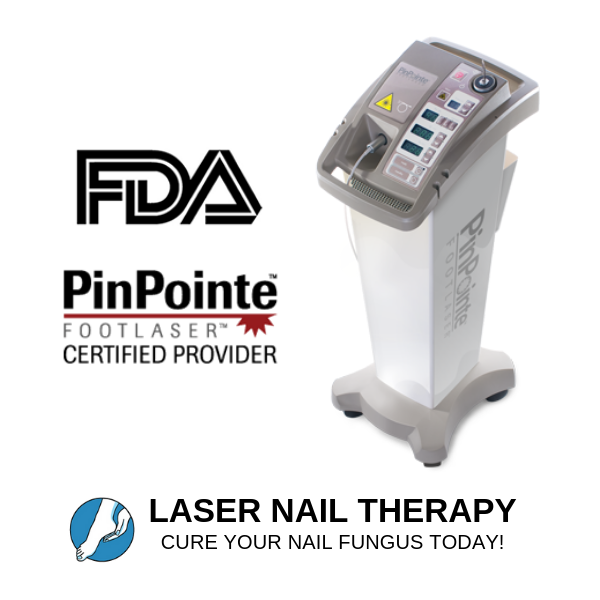
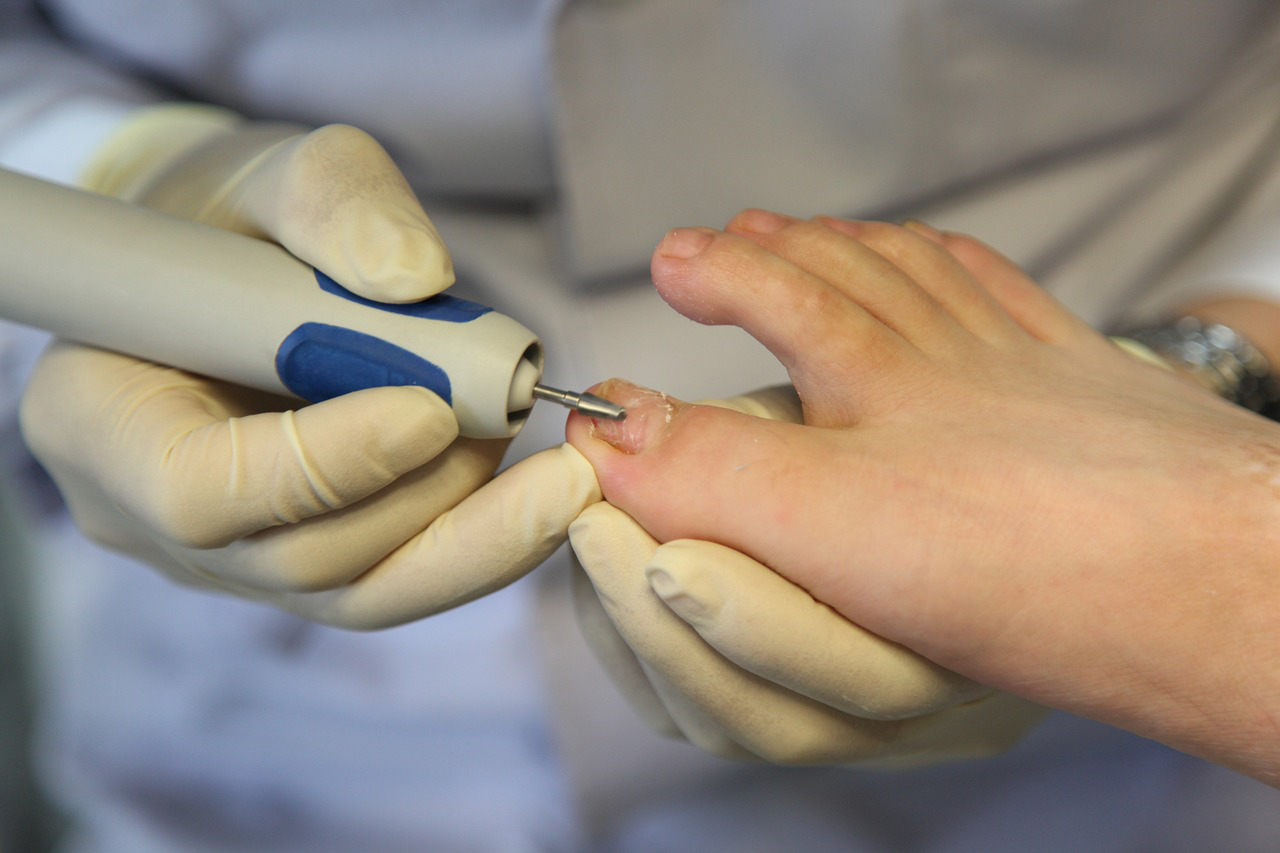
- Laser treatment, specifically the FDA-cleared PinPointe Laser, offers a precise, non-invasive solution that targets the fungus directly under the nail. The laser uses focused light energy to destroy fungal spores while leaving surrounding tissue unharmed.
Combination therapy often gives the best results. Using topicals with oral medication increases success rates. Adding laser treatment can further improve outcomes. A healthcare provider can recommend the safest plan. Consistent care supports healthier, clearer nails.

Walnut Creek’s Laser Toenail Fungus Treatment
If you have caught nail fungus, it can be easily treated using the FDA-approved PinPointe laser, which typically only takes one treatment. Other treatments, like topical solutions and oral medication, are not as effective. Topical solutions have a very low cure rate. This is because the solution does not penetrate all the way through the nail bed. Oral medication has a higher cure rate than topicals, but our nail doctors do not recommend it. This is because it can lead to liver toxicity. You would need to have consistent blood tests throughout the course of taking the medication.
Our nail doctor in Walnut Creek, CA, recommends this treatment for toenail fungus. The PinPointe Laser treatment has the highest cure rate in the market. It has no side effects and no recovery period. As a result, you can go about your daily activities right after the treatment. Also, there’s no pain.
If you have any signs of nail fungus, call us at 800-672-0625 at our Walnut Creek, CA location, or visit our website for more information on our doctors at one of our over 150 locations.
Fun things to do in Walnut Creek while Visiting for Treatment
Walnut Creek offers a wide range of activities for visitors and locals alike. Downtown Plaza features shops, restaurants, and seasonal events, while outdoor enthusiasts can enjoy trails at Lindsay Wildlife Experience and Mount Diablo State Park. The city also boasts cultural attractions like the Lesher Center for the Arts, local galleries, and Shadelands Ranch Museum. Families can explore parks such as Heather Farm Park, and food and wine lovers have numerous dining and tasting options. Seasonal festivals, live music, and community events provide entertainment year-round. With golf courses, nightlife, and creative workshops, Walnut Creek has something for everyone. Overall, it’s a vibrant city with activities that appeal to all ages and interests.