Laser Fungus Removal in Brooklyn, NY (Free Consultation Available)
Are you dealing with thick, discolored toenails and struggling to find a treatment that actually works? You’re not alone. Toenail fungus is extremely common, and many people spend months trying home remedies or drugstore products with little improvement. At Laser Nail Therapy, we specialize in laser fungus removal in Brooklyn, NY, offering a modern solution designed to eliminate fungus safely and effectively.
Our process starts with a free consultation. During your visit, one of our experienced nail doctors will examine your nails, confirm whether the problem is truly a fungal infection, and explain the best treatment options available. This step matters because not all nail problems are fungal conditions; psoriasis, trauma, or eczema can look similar. Getting the correct diagnosis first helps you avoid wasting time and money on the wrong treatment.
If the doctor confirms onychomycosis (toenail fungus), we’ll walk you through the next steps and answer any questions you may have. Many patients choose laser treatment because it is drug-free, fast, and requires no downtime, which makes it easy to fit into a busy schedule.
If you’re tired of hiding your feet, skipping sandals, or feeling embarrassed about your nails, it may be time to treat the infection at the source. We have multiple locations in the Brooklyn, NY area, so you can find a clinic near you.
What Is Toenail Fungus (Onychomycosis)?
Toenail fungus, also called onychomycosis, is a contagious fungal infection that develops in, under, or around the toenail. It often begins as a small spot of discoloration and gradually spreads deeper into the nail. Over time, the fungus feeds on keratin (the material that forms nails), which causes visible nail changes and makes the infection harder to eliminate without proper treatment.
Many people pick up toenail fungus without realizing it. Fungal spores exist in everyday environments, especially in warm and damp areas. Common sources include public pools, locker rooms, gym showers, nail salons, and even shared household surfaces. The fungus can enter through tiny cracks in the nail, minor injuries, or skin openings, especially if athlete’s foot is present. In fact, athlete’s foot and toenail fungus often occur together and can reinfect one another.
Toenail fungus thrives in conditions that are:
- Warm
- Dark
- Moist
That’s why closed-toe shoes that trap sweat create the perfect environment for fungal growth. Once the infection starts, it may spread to other toenails, surrounding skin, and even fingernails if left untreated.
Although some people assume toenail fungus is “just cosmetic,” it can become a serious issue over time. Thick nails may become painful, difficult to trim, and more likely to lift from the nail bed. The longer you wait, the more stubborn the infection becomes, so early evaluation and treatment are always the best approach.
Common Toenail Fungus Symptoms to Watch For
Toenail fungus symptoms can look different from person to person, which is why many infections go untreated for years. In the early stages, toenail fungus may only affect a small part of one nail. However, as the fungus spreads, it often causes more noticeable changes in the nail’s color, texture, and thickness. Recognizing these signs early can help you get treatment sooner and prevent the infection from spreading to additional nails.
The most common symptom is toenail discoloration. Many patients notice yellowing, but nails may also appear white, cloudy, brown, or even black in severe cases. Discoloration may start as a small dot or streak and gradually expand until it covers most of the nail.
Another major sign is thickened nails. Infected nails often become hard and bulky, making them difficult to trim at home. Thick nails can also press against shoes, causing discomfort, especially during long work shifts, walking, or exercise.
Other common symptoms include:
- Brittle, flaky, or crumbly nails
- Distorted nail shape
- Uneven nail surface
- Nails lifting off the nail bed
- Debris buildup under the nail
- Unpleasant odor in advanced infections
When a nail lifts from the nail bed, it creates gaps where bacteria can grow. This may increase the risk of secondary infection, especially in older adults or patients with diabetes.
If you notice any of these symptoms, it’s important not to ignore them. Toenail fungus typically worsens over time and becomes harder to treat. A professional evaluation can confirm whether the problem is fungal and help you choose the most effective treatment option.
What Causes Toenail Fungus? (Risk Factors & How It Spreads)
Toenail fungus infections usually start when fungal organisms enter the nail through small cracks in the nail plate, nail bed, or surrounding skin. Even minor trauma, like stubbing your toe or repeated pressure from tight shoes, can create openings that allow fungus to grow. Once it enters the nail, the infection can spread gradually and persist for years without proper treatment.
Toenail fungus spreads easily because fungus thrives in environments that are warm, moist, and dark. That’s why sweaty shoes, damp socks, and communal wet areas are some of the most common places people get infected.
Common ways toenail fungus spreads include:
- Walking barefoot in public pools, gyms, locker rooms, and showers
- Sharing shoes, socks, nail clippers, or pedicure tools
- Using nail salons that don’t properly sterilize instruments
- Athlete’s foot spreading into the toenails
Some people are also more vulnerable due to health and lifestyle factors. Higher-risk groups include:
- Older adults
- Athletes
- People with diabetes
- Individuals with poor circulation
- People with weakened immune systems
- Smokers or individuals with poor overall health
If you have athlete’s foot, it’s especially important to treat it quickly. Many patients don’t realize that fungal skin infections can act as a constant source of reinfection for toenails.
While toenail fungus is common, it’s also very manageable with the right approach. Preventive habits, like keeping feet clean and dry, wearing shower sandals, and disinfecting nail tools, can reduce your risk. And if infection does develop, early treatment offers the best results.
How PinPointe Laser Treatment Works (What to Expect)
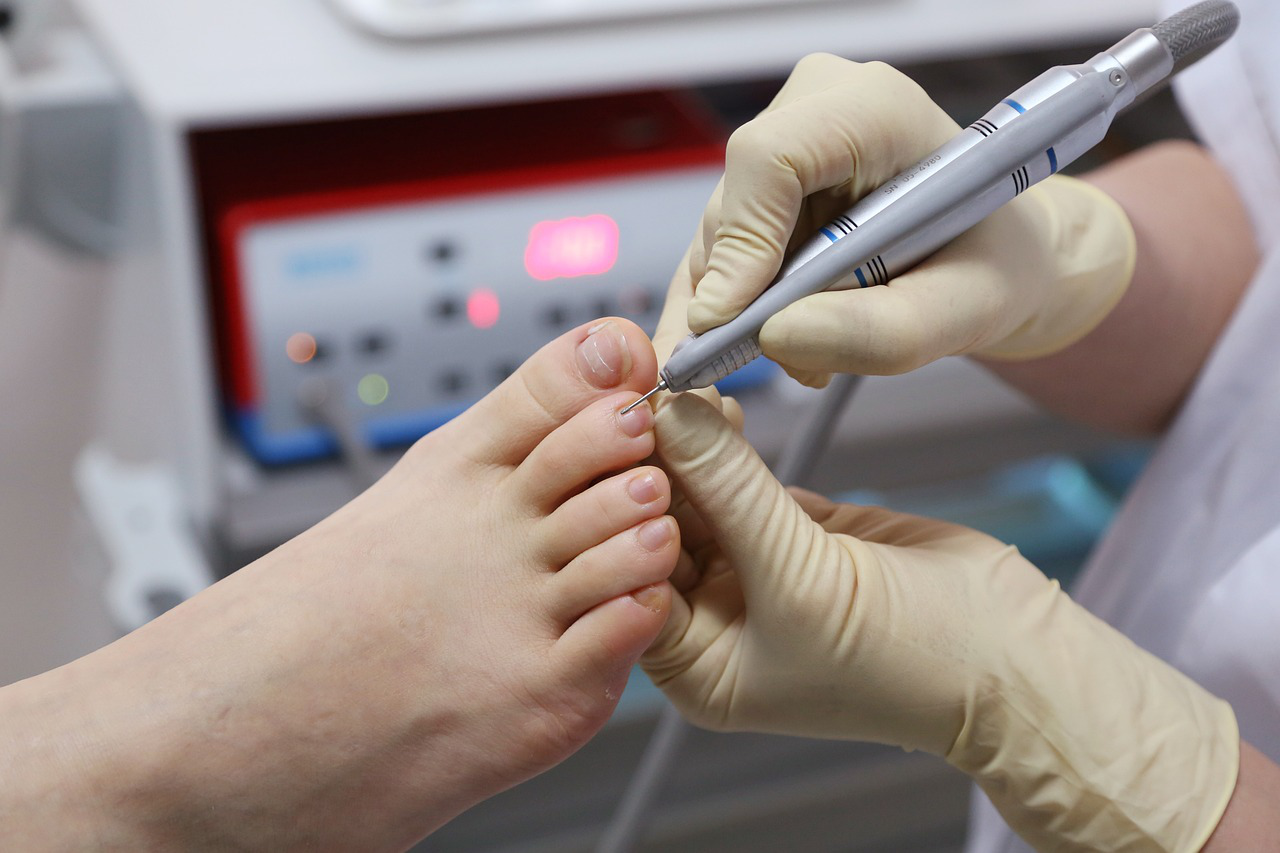
At Laser Nail Therapy, we use the FDA-approved PinPointe Laser to treat toenail fungus in a safe, targeted way. This advanced laser technology penetrates the nail plate and reaches the fungus underneath, destroying fungal organisms through controlled heat without harming surrounding skin or healthy tissue.
The laser procedure is simple and efficient. During treatment, your nail doctor will guide the laser over each affected nail in a careful grid pattern. The laser wavelength targets fungal cells directly, weakening and eliminating the infection at the source. Because the laser focuses on fungal organisms, most patients find the procedure painless.
Here’s what patients can typically expect:
- Appointment time: usually 1 hour, including consultation and treatment
- Sensation: mild warmth or light pinprick feeling
- Downtime: none
- Aftercare: return to normal activities immediately
One of the biggest benefits of laser treatment is that it is drug-free, which makes it ideal for patients who cannot take oral antifungal medication or who want to avoid potential side effects. Oral antifungal pills may require months of use and often involve blood tests due to liver risk. Laser treatment avoids these concerns completely.
It’s important to understand that while the laser kills the fungus, the nail must still grow out. Healthy nail regrowth can take several months, depending on how quickly your nails grow and how severe the infection was at the start.
Your doctor may also recommend simple post-treatment care to reduce reinfection risk and support long-term results.
Best Treatment Option in Brooklyn: Laser vs. Topicals vs. Oral Medication
Toenail fungus treatment in Brooklyn can vary widely, but not all options provide the same results. Many patients start with over-the-counter products, hoping for a quick fix. Unfortunately, most of these treatments have low success rates because they do not reach the fungus deep beneath the nail.
Topical solutions (creams, oils, medicated polishes) may help in mild cases, but they often have cure rates as low as 5–10%. The main problem is penetration—topicals usually can’t pass through the thick nail plate effectively, meaning fungus may survive underneath and continue spreading.
Oral antifungal medication tends to be more effective than topicals, with cure rates around 60%. However, these medications can cause serious side effects, including liver toxicity, and often require regular blood testing. For many patients, the risk and inconvenience make oral medication a poor long-term option.
That’s why our doctors often recommend PinPointe Laser treatment, which offers:
- High cure rate (around 85% after one treatment)
- No systemic side effects
- No downtime
- No needles or medications
- Fast in-office procedure
Laser therapy directly targets the fungus beneath the nail, making it one of the most effective modern treatments available.
If you’re ready to stop wasting time on ineffective treatments, Laser Nail Therapy can help you take the next step toward clear, healthy nails.
📞 Call 800-672-0625 to schedule your free consultation at our Brooklyn, NY clinic, or visit our website to learn more about our doctors and over 150 locations nationwide.