
Treatment in St. Louis
Toenail fungus treatment in St. Louis, MO, can vary. Toenail fungus, medically known as onychomycosis, is a common infection that causes nails—especially toenails—to become thickened, discolored, brittle, or even painful if left untreated. Because the warm, moist environment of the feet provides an ideal breeding ground for fungi, many people in St. Louis seek professional care to address both the cosmetic concerns and the discomfort associated with this condition. Early diagnosis and treatment are key to preventing the infection from spreading and restoring healthy nails. In St. Louis, patients have access to a range of effective treatment options, from traditional antifungal medications and topical therapies to advanced in-office solutions like laser therapy. Foot care specialists offer personalized care plans tailored to the severity of the infection, overall health, and lifestyle needs of each patient.
Whether you’re exploring non-invasive laser treatments or other treatment options, St. Louis providers combine expertise with the latest technology to help you achieve clearer, healthier nails and renewed confidence in your foot health.
The Spread of Toenail Fungus
People with toenail fungus can spread the infection through direct contact and shared environments. Fungal spores easily transfer from infected nails to surrounding surfaces.
Improperly cleaned pedicure tools can spread toenail fungus between clients. Reputable salons follow strict sterilization procedures to prevent transmission. Sharing nail grooming tools is a common way toenail fungus spreads between people. Clippers, files, and scissors can carry fungi if not properly disinfected. Walking barefoot in shared areas increases the risk of spreading toenail fungus. Locker rooms, pools, and communal showers often harbor fungal organisms.
Towels, socks, and shoes can also transmit toenail fungus to others. Wearing or sharing contaminated items allows fungi to move between hosts. Skin-to-skin contact with infected feet can spread the fungus. This risk is higher in close living spaces or shared sleeping areas. Practicing good hygiene helps reduce the spread of toenail fungus. Keeping feet clean, dry, and protected is essential. Public footwear, such as bowling shoes or rental skates, can transmit toenail fungus. Wearing shared shoes without socks increases exposure risk.
Toenail fungus can also spread through contaminated floors and carpets. Fungal spores survive for long periods in warm, damp environments. Infected nail fragments can spread fungus if they fall onto surfaces. Vacuuming and proper disposal help limit contamination in homes. Household members are at higher risk when one person has toenail fungus. Bathrooms and bedrooms often become shared sources of exposure.
Common Symptoms to Look Out For
Toenail fungus often begins with subtle changes in the nail’s appearance. Nails may develop white, yellow, or brown discoloration. Advanced toenail fungus can cause significant nail deformation. The nail may become misshapen or grow in an abnormal direction. The nail surface may appear dull or chalky. Loss of natural shine is a common early sign.
Infected toenails commonly become thickened and difficult to trim. The nail may feel rough or uneven along the surface. Pain may increase as the nail thickens and presses against shoes. Walking or standing for long periods can become uncomfortable.
Brittleness is another frequent symptom of toenail fungus. Nails may crack, split, or crumble at the edges. Some people notice a foul odor coming from the infected nail. Debris can build up underneath the nail plate.
As the infection worsens, the nail may lift from the nail bed. This separation can cause discomfort or pain when walking. Toenail fungus can also lead to inflammation around the nail. Redness and swelling may occur in the surrounding skin. Untreated toenail fungus can lead to secondary skin infections. Cracked skin around the nail increases infection risk.
In some cases, the infection spreads to nearby nails. Multiple toenails can become affected over time. People with weakened immune systems may experience more severe symptoms. Healing is often slower without proper treatment.

Treatment Options for Toenail Fungus
If you do find yourself with a nail fungus infection, there are several treatment options recommended by foot doctors. Here are some of the common approaches:
- Topical treatments: Over-the-counter creams can help prevent nail fungal infections. However, they are not very effective for treating an active infection and have a success rate of less than 10%. These creams are most useful as preventive measures or for mild cases of nail fungus.
- Oral antifungal medication: Medications are commonly prescribed for more severe cases of nail fungus. However, they come with potential side effects, including liver toxicity. Routine blood testing to monitor your liver is necessary during the course of treatment, and the average cure rate is only around 60%.
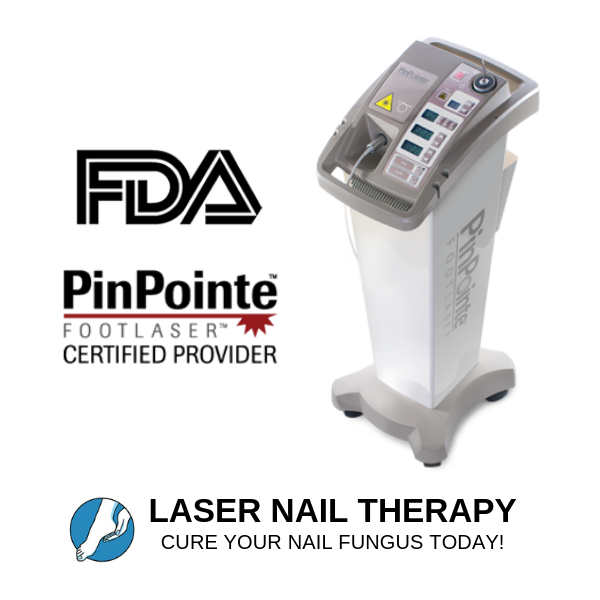
- Laser treatment: The most advanced option for nail fungus treatment is laser therapy. Laser treatment offers a non-invasive and effective approach to eliminating nail fungus. Various lasers are available, with differing success rates and FDA approvals. The PinPointe laser treatment, approved by the FDA, is a highly effective option, typically requiring only one session and offering no downtime or pain. It targets the fungus directly, penetrating the nail and killing the infection at its source.
For nail fungus treatment, we highly recommend the PinPointe Laser as it boasts the highest cure rate in the market. It has no side effects, you can go about your daily activities right after, and it is a painless procedure.
Laser Toenail Fungus Treatment in St. Louis, MO
If you have caught nail fungus, it can be easily treated using the FDA-approved PinPointe laser, which typically only takes one treatment. Other treatments, like topical solutions and oral medication, are not as effective. Topical solutions have a very low cure rate. This is because the solution does not penetrate all the way through the nail bed. Oral medication has a higher cure rate than topicals, but our nail doctors do not recommend it. This is because it can lead to liver toxicity. You would need to have consistent blood tests throughout the course of taking the medication.
Our nail doctor in St. Louis, MO, recommends this treatment for toenail fungus. The PinPointe Laser treatment has the highest cure rate in the market. It has no side effects and no recovery period. As a result, you can go about your daily activities right after the treatment. Also, there’s no pain.
If you have any signs of nail fungus, call us at 800-672-0625 at our St. Louis, MO location, or visit our website for more information on our doctors at one of our over 150 locations.
Fun things to do in St. Louis, MO
St. Louis offers a variety of fun activities, blending iconic attractions with vibrant local culture. Visitors can explore the Gateway Arch for scenic views, enjoy free museums and the zoo in Forest Park, or experience the unique City Museum. Sports fans can attend Cardinals games, while the Delmar Loop provides shopping, dining, and live entertainment. Popular experiences also include Anheuser-Busch Brewery tours, relaxing visits to the Missouri Botanical Garden, and sampling local favorites like barbecue, toasted ravioli, and frozen custard.