Important Vitamins and Their Importance
What vitamins help tackle nail fungus? Nail fungus can affect anyone, but certain factors make some people more vulnerable. Vitamins play an important role in supporting nail strength and immune response, helping the body manage fungal infections more effectively. People with weakened immune systems face greater challenges, as their bodies cannot fight fungal growth as easily, leading to faster and more persistent infections. Understanding how nutrients support nail health and how immunity influences infection risk can help guide better prevention and treatment choices.
Vitamins can support nail health and help your body fight fungal infections. They strengthen your immune system and improve nail resilience. These nutrients do not cure fungus alone, but they help your body respond better.
Vitamin D plays a key role in immune support. It helps your body recognize and fight fungal invaders. Low vitamin D levels may slow nail healing. Vitamin E provides strong antioxidant protection. It supports healthy nail growth and reduces damage from inflammation. This vitamin may also help soothe irritated skin around infected nails. Vitamin C boosts immune function and supports collagen production. Strong collagen helps nails stay firm and resistant to cracking. It also helps your body repair tissue around damaged nails. B vitamins help improve nail strength and cell growth. Biotin supports thicker and stronger nails over time. Healthy nail growth helps replace areas affected by fungus.
Zinc also supports immune defense and nail repair. Low zinc levels may contribute to slow healing. Balanced zinc intake can help your body recover more effectively. Together, these vitamins help support healthier nails and a stronger defense system. They work best when combined with proper antifungal treatment.
Weakened Immune System VS. Nail Fungus
People with weakened immune systems face a higher risk of nail fungus. Their bodies cannot stop fungal growth as effectively. This allows infections to spread deeper into the nail.
Immunodeficient people may also develop symptoms faster. Nails may discolor, thicken, or crumble more quickly. Infections may also become more painful or persistent. Common causes of low immunity include diabetes, cancer treatments, or certain medications. These conditions reduce the body’s natural defenses. As a result, fungus can grow with less resistance.
Treatment may take longer for immunodeficient individuals. Antifungal medications may need careful monitoring. Doctors often combine topical and oral treatments for better results. Preventive care becomes especially important for these individuals. Keeping feet dry and clean reduces fungal growth. Avoiding shared nail tools also lowers infection risk. Regular nail checks help detect early changes. Early treatment gives better outcomes and reduces complications.
Common Nail Fungus Symptoms
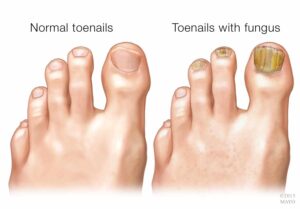
Immunodeficient people often experience stronger and faster-developing nail fungus symptoms. Their nails may change color early in the infection. Yellow, brown, or white spots can appear on the surface. These changes often spread quickly because the body cannot slow fungal growth. Nails may thicken more rapidly in immunodeficient individuals. The thickened nail can become brittle and break easily. Crumbling edges are also more common and may appear sooner than expected. The nail surface may turn rough or distorted as the fungus spreads.
Many immunodeficient people experience increased discomfort. The nail may feel tender or painful when pressure is applied. Swelling or redness around the nail can also develop. These symptoms may worsen without prompt treatment. Separation of the nail from the nail bed is another common issue. This happens when the fungus weakens the nail structure. The lifted nail can trap moisture and increase infection severity. This complication often takes longer to heal in people with weakened immune systems. Overall, symptoms tend to be more intense and persistent. Early recognition and consistent treatment are especially important.
Treatment Options for Nail Fungus
Topical medications are often the first treatment option for nail fungus. These products include creams, ointments, and medicated nail lacquers that help slow fungal growth. Topicals work best on mild infections or early-stage cases because they penetrate the nail more slowly. Consistent daily use is important, and treatment may last several months. While results can take time, topicals offer a noninvasive option with fewer side effects.
Oral antifungal medications provide a stronger and faster approach. These pills travel through the bloodstream to target the fungus from the inside out. They are often recommended for moderate to severe infections or cases that do not respond to topical treatment alone. Oral medications usually produce noticeable improvement within weeks, though the full course may last several months. Although there are side effects. They can affect the liver or interact with other medications. It can lead to liver toxicity. Doctors often monitor patients during treatment by doing constant blood tests.
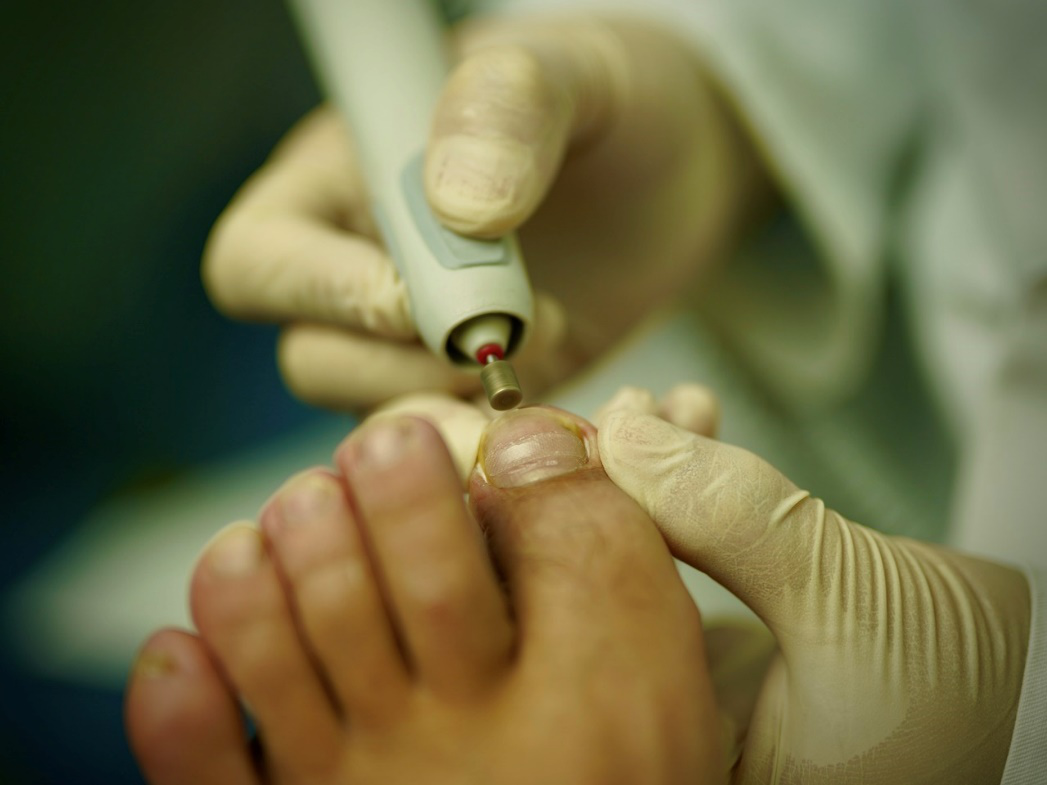
Laser treatment is a newer option that many people choose for convenience. The laser emits targeted light energy that penetrates the nail and destroys fungal cells. Sessions are generally quick and painless, and there is no recovery time. Laser therapy may require multiple treatments, depending on the severity of the infection. While results vary, this option appeals to people who prefer a non-drug approach or have not improved with other treatments. The PinPointe laser has the highest cure rate of 85%.
Together, these treatment options offer flexibility based on severity, health conditions, and personal preference. Many patients combine methods for stronger results, especially in stubborn or long-lasting infections.
Schedule a Free Consultation Today!
If you have any signs of nail fungus, don’t wait. Our nail doctors offer the Pinpointe laser treatment, the most effective and safe method for curing nail fungus. Call us today at (800) 672-0625 or visit our website to schedule a free consultation at a location near you.