Introduction
Introduction
Toenail fungus is one of the most common nail conditions worldwide, affecting people of all ages and lifestyles. While many individuals notice the condition only after significant discoloration or thickening appears, the infection often begins long before visible symptoms develop. Understanding the lifecycle of toenail fungus can help explain why the condition is difficult to treat, why early intervention matters, and what patients can expect during the recovery process.
Toenail fungus, medically known as onychomycosis, develops gradually. It can start with subtle changes that are easy to overlook and progress into a more advanced infection that affects the appearance and health of the nail. The journey does not end when treatment begins. Healthy nail regrowth takes time, and understanding each stage can help set realistic expectations.
This guide explores the complete lifecycle of toenail fungus, from the earliest stages of infection to the process of growing clear, healthy nails after treatment.
Stage 1: How Toenail Fungus Begins
Stage 1: How Toenail Fungus Begins
Toenail fungus begins when fungal organisms gain access to the nail through tiny openings in the skin or nail structure. These microscopic organisms thrive in warm, moist environments and are commonly found in public showers, locker rooms, pool decks, gyms, and inside shoes.
Not everyone who encounters fungal organisms develops an infection. However, certain factors can increase susceptibility. Wearing tight footwear, experiencing repeated trauma to the nails, having reduced circulation, and spending long periods in damp socks or shoes can create favorable conditions for fungal growth.
Once the fungus reaches the area beneath the nail, it begins feeding on keratin, the protein that makes up the nail. At this stage, there are often no obvious symptoms. The infection may be present for weeks or months before noticeable changes occur.
Because the infection develops beneath the nail surface, it can remain hidden while continuing to spread. This is one reason many people are surprised by how advanced the condition becomes before they seek treatment.
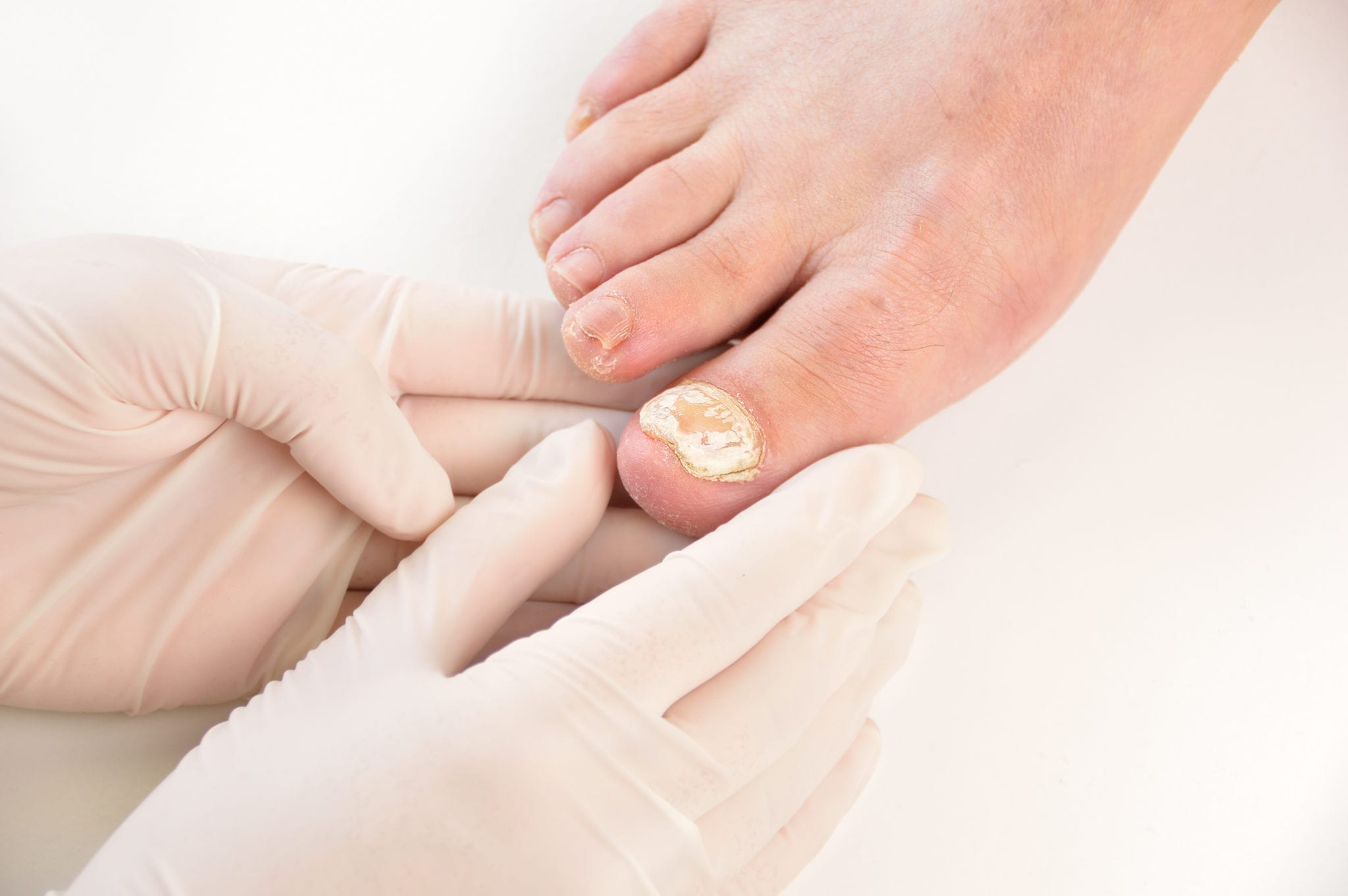
Stage 2: The First Signs of Toenail Fungus
Stage 2: The First Signs of Toenail Fungus
As fungal organisms continue to grow, the infection becomes more deeply embedded within the nail structure. The nail plate may begin thickening as the body responds to the presence of the infection.
Thickened nails can become difficult to trim and maintain. The texture may change, causing the nail to become brittle, crumbly, or uneven. Some individuals notice debris accumulating beneath the nail, which can contribute to additional discoloration.
During this stage, the appearance of the nail often becomes a cosmetic concern. Sandals, open-toed shoes, and barefoot activities may cause embarrassment for some individuals.
The infection may also spread to neighboring nails if left untreated. While toenail fungus is not typically dangerous, allowing the condition to progress can make treatment more challenging and prolong the recovery process.
Because the nail becomes thicker over time, it can create an even greater barrier between treatment products and the infection itself. This is one reason why advanced toenail fungus is often more difficult to manage than early-stage infections.
Stage 3: When Toenail Fungus Becomes Established
Stage 3: When Toenail Fungus Becomes Established
As fungal organisms continue to grow, the infection becomes more deeply embedded within the nail structure. The nail plate may begin thickening as the body responds to the presence of the infection.
Thickened nails can become difficult to trim and maintain. The texture may change, causing the nail to become brittle, crumbly, or uneven. Some individuals notice debris accumulating beneath the nail, which can contribute to additional discoloration.
During this stage, the appearance of the nail often becomes a cosmetic concern. Sandals, open-toed shoes, and barefoot activities may cause embarrassment for some individuals.
The infection may also spread to neighboring nails if left untreated. While toenail fungus is not typically dangerous, allowing the condition to progress can make treatment more challenging and prolong the recovery process.
Because the nail becomes thicker over time, it can create an even greater barrier between treatment products and the infection itself. This is one reason why advanced toenail fungus is often more difficult to manage than early-stage infections.

Stage 4: Advanced Toenail Fungus and Nail Damage
Stage 4: Advanced Toenail Fungus and Nail Damage
Without treatment, toenail fungus can continue progressing for years. At this point, significant changes in nail appearance and structure may occur.
The nail may become severely thickened and distorted. Yellow, brown, or white discoloration may affect a large portion of the nail. Some nails become brittle and begin breaking apart near the edges.
In more advanced cases, the nail may start separating from the nail bed, a condition known as onycholysis. This can create additional spaces where fungal organisms can thrive.
The surrounding skin may also become irritated. Some individuals experience discomfort when wearing shoes because the thickened nail creates pressure against the toe.
Although the severity of symptoms varies, advanced toenail fungus rarely improves on its own. The longer the infection remains untreated, the more difficult it may become to restore a healthy nail appearance.
Stage 5: Seeking Professional Toenail Fungus Treatment
Stage 5: Seeking Professional Toenail Fungus Treatment
Many people decide to seek professional treatment when the infection becomes difficult to hide or when previous attempts with over-the-counter products have not produced results.
A healthcare provider will typically examine the nail and may recommend diagnostic testing to confirm the presence of a fungal infection. Accurate diagnosis is important because several nail conditions can resemble toenail fungus.
Treatment recommendations depend on the severity of the infection and the patient’s individual circumstances. Some cases may respond to topical therapies, while others may require more comprehensive treatment approaches.
The primary goal of treatment is to address the fungal organisms beneath the nail and create an environment that supports healthy nail growth. Because every case is different, treatment plans are often tailored to the specific needs of the patient.
Seeking professional evaluation early can help prevent the infection from causing additional nail damage and may improve the likelihood of successful treatment.
Stage 6: Understanding Laser Treatment for Toenail Fungus
Stage 6: Understanding Laser Treatment for Toenail Fungus
Laser treatment for toenail fungus has become an increasingly recognized option for individuals seeking a non-invasive approach to managing fungal nail infections.
The treatment uses focused light energy that passes through the nail and reaches the area where fungal organisms are present. Unlike topical products that remain on the nail surface, laser energy is delivered directly through the nail plate.
One reason patients are interested in laser treatment is that it does not require daily applications or long-term medication use. Treatment is typically performed in a medical office and allows patients to resume normal activities immediately afterward.
The purpose of laser treatment is to target the infection within the nail while preserving surrounding healthy tissue. Different laser systems may use varying technologies and treatment protocols, but the overall objective remains the same.
It is important to understand that laser treatment does not instantly restore the appearance of the nail. Instead, it helps address the infection so that healthier nail growth can occur over time.

Stage 7: The Transition From Infection to Healthy Nail Growth
Stage 7: The Transition From Infection to Healthy Nail Growth
After treatment, many patients expect immediate cosmetic improvement. However, toenail recovery follows the natural growth cycle of the nail.
The damaged portion of the nail remains visible initially. What changes first is the new nail growth that emerges from the base of the nail near the cuticle.
As healthy nail tissue grows forward, it gradually replaces the portion that was previously affected by the infection. This process occurs slowly because toenails grow at a relatively slow rate compared to fingernails.
The transition period is often one of the most important phases in the recovery process. During this time, patients may notice a visible line separating healthier nail growth from the older damaged nail.
This progression is often an encouraging sign because it indicates that new nail growth is developing as expected.
Stage 8: The Healthy Nail Regrowth Phase
Stage 8: The Healthy Nail Regrowth Phase
Healthy nail regrowth is ultimately the goal of any toenail fungus treatment plan. However, patience is required because complete replacement of the damaged nail can take many months.
Most patients begin noticing clearer nail growth near the base of the nail first. Over time, this healthy section continues extending toward the tip.
The exact timeline varies depending on age, circulation, overall health, and the extent of the original infection. In many cases, noticeable improvement continues throughout the year following treatment.
Maintaining proper foot hygiene during this stage is important. Protecting the newly growing nail from fungal exposure can help support long-term results.
Although progress may seem slow, consistent healthy growth is often a sign that the nail is moving in the right direction.

Stage 9: Preventing Future Toenail Fungus Infections
Stage 9: Preventing Future Toenail Fungus Infections
Successfully treating toenail fungus is only part of the journey. Preventing future infections plays an important role in maintaining healthy nails.
Fungal organisms are common in everyday environments, particularly in places where moisture is present. Public showers, locker rooms, swimming pools, and shared changing areas can increase exposure.
Keeping feet clean and dry can help reduce the likelihood of fungal growth. Wearing breathable shoes and moisture-wicking socks may also create conditions that are less favorable for fungal organisms.
Proper nail care remains important as well. Nails should be trimmed regularly and kept clean. Personal grooming tools should not be shared with others.
Some individuals choose to disinfect footwear periodically as part of their long-term foot care routine. Taking preventive measures can help protect healthy nail growth and reduce the chances of reinfection.
Conclusion
Conclusion
The lifecycle of toenail fungus is a gradual process that begins long before visible symptoms appear. What starts as a small fungal infection beneath the nail can eventually lead to discoloration, thickening, brittleness, and significant nail damage if left untreated.
Understanding each stage of the condition helps explain why toenail fungus can be challenging to manage and why patience is necessary during treatment and recovery. Whether an individual pursues topical therapies, oral medications, or laser treatment for toenail fungus, the ultimate goal remains the same: eliminating the infection and supporting healthy nail regrowth.
As new nail tissue gradually replaces damaged nail structure, healthy nails can return over time. By combining professional treatment with good foot hygiene and preventive care, individuals can improve their chances of maintaining clear, healthy nails long into the future.