Toenail Fungus: How Athletic Shoes Become Incubation Chambers
A daily running habit or a dedicated walking routine is an investment in your health, enjoyment, and/or mental clarity. To a microscopic fungal spore, however, that same routine represents something entirely different: the ultimate incubation chamber. This practice plays a role in toenail fungus occurrence.
Your feet undergo intense mechanical stress while sealed inside a dark, humid environment when you run or walk for miles. This combination provides for the perfect mix to a physical degradation of the nail unit.
Understanding the concepts of locomotion biomechanics and fungal biology changes how we navigate foot hygiene. Now that we know that this problem is not just a superficial one, we can get to the true reason. This reason revolves around the fundamental puzzle of sports gear management and skin environment optimization.
An Incubation Chamber
One must look at the specific climate shifts that occur inside an athletic shoe during exercise to understand why walking and running make individuals highly vulnerable to toenail issues.
The human foot has one of the highest concentrations of sweat glands anywhere on the body which is estimated at 250,000 individual pores. During a brisk walk or an intense long-distance run, these glands work at maximum capacity to regulate the temperature of the working muscles in the foot.
Inside a tightly laced athletic shoe, this moisture has nowhere to escape, quickly pushing the relative humidity inside the sock to 100%. As the friction of movement generates heat, the interior of the shoe transforms into a warm, tropical environment.
Extended exposure to this high-humidity environment causes the hard keratin plates of your toenails to absorb water. As they swell with moisture, the cellular bonds holding the nail layers together soften, compromising the nail’s natural defensive shield and leaving it vulnerable to external elements.
Repetitive Micro-Trauma
Fungus rarely establishes a foothold on a perfectly healthy, undamaged nail unit. It requires an entry point. For walkers and runners, that entry point is systematically manufactured with every single step through a process known as repetitive micro-trauma.
During a single mile of running, an athlete’s foot strikes the ground approximately 1,500 times. With each stride, the foot slides slightly forward inside the shoe. If the footwear is not fitted perfectly, the longest toes continuously slam into the hard internal front walls of the toe box.
This repetitive impact causes minor, often invisible damage underneath the nail plate, a condition structurally identical to “black toenails” or subungual hematomas. The force of the impact shears the horizontal layers of keratin apart, separating the ventral nail plate from the underlying nail bed.
As the nail lifts away from the living skin, it creates a microscopic vacuum pocket—a tiny, dark cave filled with dead protein debris. For a fungal spore trapped inside a damp sock, this micro-gap is an ideal home base. The spore slips into the newly formed cavity, completely shielded from the washing action of soap and water during post-workout showers.
The Biology of the Invader on the Move
The primary organism responsible for exploiting these athletic injuries is Trichophyton rubrum, a filamentous fungus that treats human keratin as its primary food source.
Once a spore settles into a micro-gap caused by running or walking, it wakes up from its dormant state and begins extending microscopic, root-like structures called hyphae. These hyphae secrete specialized enzymes known as keratinases.
These enzymes dissolve the strong disulfide bonds that give the toenail its structural rigidity. As the fungus digests the internal matrix of the nail, it leaves behind a porous, hollow architecture filled with powdery debris. This structural collapse is what causes the nail to turn yellow, develop white chalky lines, and thicken to defend itself against the mechanical pressure of the shoe.
The High-Traffic Exchange Zones of the Athletic Lifestyle
For walkers and runners, exposure to fungal spores does not happen in a vacuum. The habits and environments associated with an active lifestyle frequently bring individuals into direct contact with high-traffic exchange zones.
Communal changing areas, public showers, and pool decks are primary distribution hubs for harmful debris. When an individual with a compromised nail walks barefoot across these damp tile surfaces, they shed invisible spores. Because these surfaces remain constantly wet, the spores stay viable for extended periods, waiting to stick to the soft, damp feet of the next athlete walking by.
Even the process of buying new athletic gear can introduce environmental risks. Stepping barefoot onto shared scanning mats, pressure plates, or fitting carpets at specialized running stores exposes your feet to the microscopic environmental history of every runner who stood there before you.

Engineering the Solution: Footwear Mechanics and Fitting Strategy
Preventing the mechanical breakdown that leads to fungal infiltration requires treating your athletic footwear like a piece of high-performance engineering.
When selecting a running or walking shoe, you should not choose your standard casual shoe size. As you walk or run miles, blood flow increases to your lower extremities, causing your feet to naturally expand and flatten out.
Always measure your athletic shoes with your workout socks on, ensuring there is a full thumb’s width of space between your longest toe and the very front wall of the shoe. Additionally, look for a shoe design with a wide, anatomically shaped toe box that allows your toes to splay naturally when stepping down, eliminating lateral compression.
Even if a shoe has enough space at the front, your foot can still slide forward and damage your nails if the heel is slipping. Utilizing the extra eyelet at the top of your athletic shoe—often called the runner’s loop or heel-lock—allows you to anchor your heel firmly into the back cup of the shoe. This mechanical restriction stops forward sliding during downhills and abrupt stops, keeping your toes completely clear of frontal impacts.
Daily Gear Management: Breaking the Spore Lifecycle
Wearing the same pair of running or walking shoes two days in a row is an invitation for structural breakdown. The foam insoles and internal fabrics trap sweat deep within their fibers.
It takes a minimum of 24 to 48 hours for a thick athletic shoe to dry completely to its core. Maintain at least two pairs of primary training shoes. By alternating between them, you ensure that you never slide your feet into a partially damp interior, starving any dormant spores of the moisture they need to wake up.
Socks worn during exercise require specialized care to ensure they are completely clear of environmental contaminants before their next use. Wash athletic socks in hot water (at least 140°F / 60°C) to break down structural oils and debris trapped in the fabric weave.
Avoid line-drying workout socks in damp indoor environments. Run them through a full, high-heat dryer cycle to ensure any remaining moisture is entirely evaporated. If you are actively recovering from a toenail issue, discard old, threadbare socks. The worn-out fibers act like coarse sandpaper, increasing friction against the nail plate and accelerating micro-trauma.
Tracking New Clear Keratin Production
If you undergo non-surgical interventions like laser therapy to disrupt the fungal environment beneath your nail, your daily walking or running routine will heavily influence how you track your visual progress.
Laser energy uses light to target and alter the dark, compromised tissue trapped inside the nail bed, halting the growth cycle of the invader. However, it does not instantly clear the physical nail plate. The damaged, yellowed protein remains on your toe until it is physically pushed out by new growth.
There is an unexpected benefit to maintaining an active lifestyle while recovering from a toenail issue: circulation. The nail matrix relies entirely on the steady delivery of oxygen and micronutrients via the bloodstream to manufacture new keratin layers.
Brisk walking and running drastically increase peripheral blood flow to your feet and toes. This increased blood supply optimizes the delivery of structural components, often causing an athlete’s nails to grow significantly faster than those of sedentary individuals.
While a sedentary person might wait 12 to 18 months for a clear toenail to completely grow out, an active walker or runner with excellent peripheral circulation may see their old damage push to the edge months sooner.
Advanced Home Maintenance Systems for Active Feet
To ensure your running and walking routines remain joyful and uninterrupted, integrate these structural protection habits into your weekly home maintenance system.
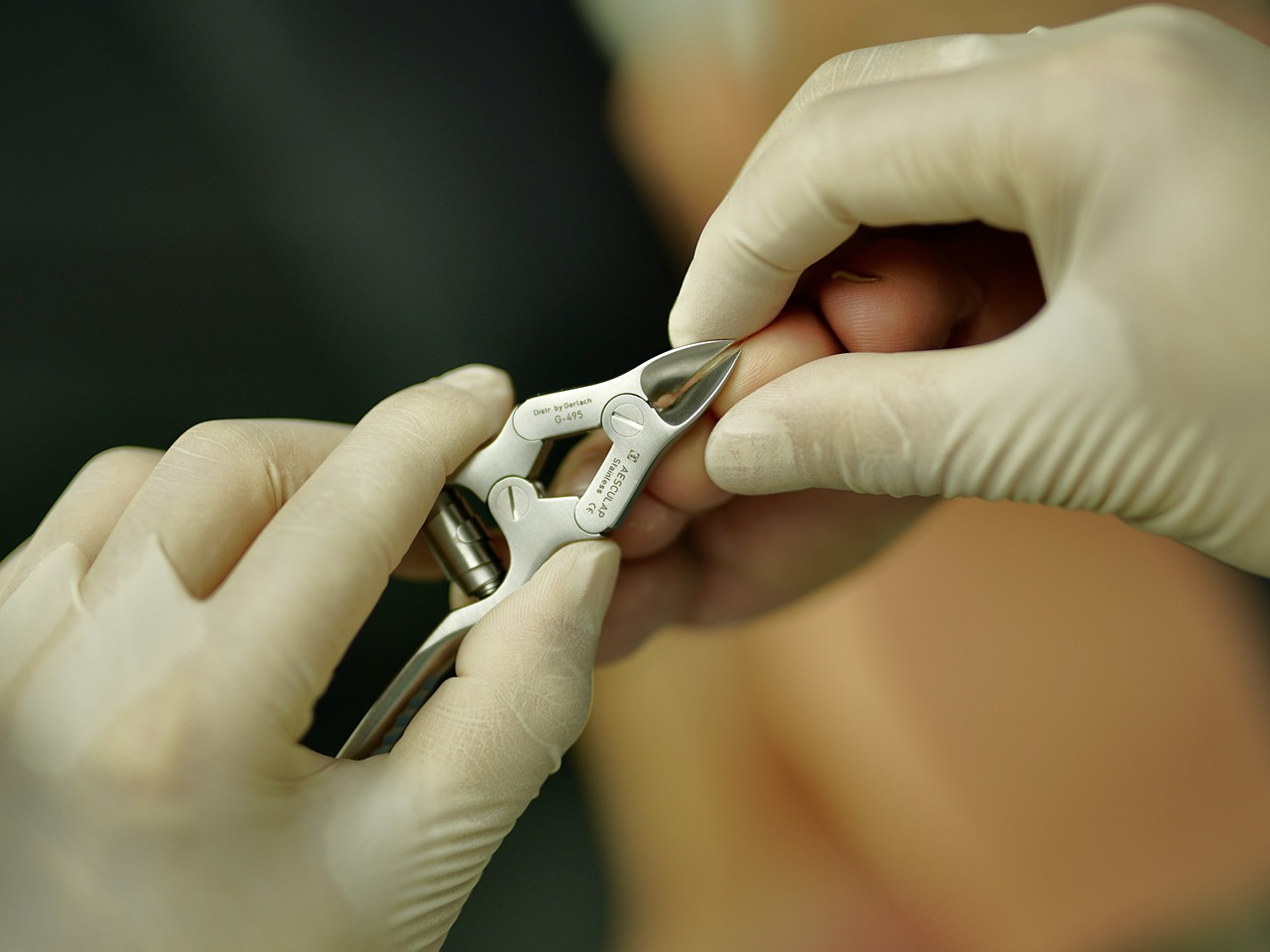
Long toenails act like levers. When they strike the inside of a shoe, the length magnifies the leverage force, pulling the nail away from the bed with greater efficiency. Keep your toenails neatly trimmed to a short length. Clip them straight across using sharp, dedicated athletic clippers immediately after a shower when the protein layers are soft and pliable. Avoid cutting down into the lateral corners, as this alters the natural growth channel and can cause painful ingrown edges when compressed by workout footwear.
Traditional cardboard emery boards are porous and flexible. When you file a thick nail with them, they tend to bend, creating rough, jagged margins along the edge of the keratin sheets. These rough edges can snag on the loops of your athletic socks, pulling on the nail bed during movement. Switch to a non-porous glass file, which grinds the keratin protein down into a smooth, perfectly sealed edge that glides effortlessly against fabric.
Nutrition for Endurance Keratin
The structural integrity of a nail plate facing the constant impact of walking or running is determined by the internal building blocks provided through your diet. Building a dense, impact-resistant keratin layer requires consistent access to specific micronutrients.
Biotin (Vitamin B7) accelerates cellular differentiation at the base matrix and increases horizontal nail thickness. Excellent options include organic egg yolks, raw almonds, creamy sunflower seed butter, and sweet potatoes.
Elemental zinc is vital for systematic protein synthesis and rapid cellular division within the active nail bed. This can be found in toasted pumpkin seeds, sprouted chickpeas, red lentils, and dark leafy spinach.
Natural silicon cross-links directly with keratin chains to create a highly resilient, fracture-resistant structure. Incorporate whole grain oats, unhulled barley, crisp seedless cucumbers, and red bell peppers into your meals.
Essential fatty acids lubricate the intercellular spaces of the intermediate nail layers, preserving necessary flexibility. These can be sourced from fresh ground flaxseeds, organic chia seeds, raw walnuts, and ripe avocados.
By combining proper footwear engineering, rigorous gear sanitization, and a clear understanding of your body’s slow growth timeline, you can confidently protect your feet from the silent turf war happening beneath your laces. This comprehensive approach ensures your nails remain as resilient, strong, and healthy as the miles you log every day.