Causes, Treatment Options, Prevention, and More
Toenail fungus is a common problem that can affect people of all ages. It may start as a small white or yellow spot on one toenail and slowly spread, causing the nail to become thick, discolored, or brittle. Although toenail fungus is usually not dangerous, it can be frustrating to treat and may affect a person’s confidence and comfort
At Laser Nail Therapy, PinPointe laser treatment is offered as a treatment option for people looking for an approach that does not involve taking an oral antifungal medication. Understanding how toenail fungus develops, who is more likely to get it, and how different treatment options work can help you make an informed decision about your care.
What Is Toenail Fungus?
Toenail fungus, medically known as onychomycosis, is a fungal infection involving the toenail, nail bed, or surrounding structures. Several types of fungi can cause nail infections, with dermatophytes being among the most common. Toenail fungus often develops gradually. You may first notice a small white, yellow, or brown area near the edge of a nail. Over time, the affected area may become larger. The nail can become thicker, more brittle, distorted, or separated from the nail bed.
Common symptoms of toenail fungus include:
- Yellow, white, or brown discoloration
- Thickened toenails
- Brittle or crumbly nails
- A nail that begins lifting away from the nail bed
- A cheesy odor in some cases
Toenail fungus can affect one nail or several nails. It can also occur along with athlete’s foot, another fungal infection that affects the skin of the feet. It is important to remember that not every thick or discolored toenail is caused by fungus. Trauma, psoriasis, certain skin conditions, and other nail disorders can look similar. Because of this, getting an appropriate diagnosis is an important first step before beginning treatment.
How Do People Get Toenail Fungus?
Fungi thrive in warm, moist environments. Your feet spend much of the day inside shoes and socks, where heat and moisture can create an environment that encourages fungal growth. Toenail fungus can spread when your feet come into contact with contaminated surfaces or objects. Public areas such as locker rooms, swimming pool decks, communal showers, gyms, and spas can provide opportunities for exposure.
Walking barefoot in these environments can increase your exposure to fungi. The American Academy of Dermatology recommends wearing shower shoes or sandals in communal wet areas to reduce the risk of fungal infections. Toenail fungus can also spread through shared personal items. Sharing nail clippers, towels, socks, shoes, or other personal items can increase the opportunity for fungi to spread from one person to another. Another common way an infection can begin is through athlete’s foot. A fungal infection between the toes or on the soles of the feet can spread to the toenails. This is one reason treating both the skin and nails when necessary is important.
Why Are Athletes More Prone to Toenail Fungus?
Despite its name, athlete’s foot is not limited to athletes. However, people who exercise frequently or participate in sports can have several risk factors that make fungal infections more likely. Athletes may spend significant amounts of time wearing athletic shoes. These shoes can trap heat and perspiration around the feet. If shoes do not dry completely between uses, the warm and damp environment can encourage fungal growth. Athletes may also frequently use locker rooms, communal showers, swimming pools, saunas, and other shared facilities. These areas can have warm, moist surfaces where fungi can be found.
Additional factors that can increase exposure include:
- Wearing the same shoes for long periods
- Sweating heavily
- Not changing damp socks
- Walking barefoot in shared, public places
- Repeated trauma to the toenails
- Participating in activities that place pressure on the toes
Running and other sports can also cause repeated pressure or minor trauma to the toenails. A damaged nail may become more susceptible to fungal infection. Athletes do not necessarily have weaker feet or poorer hygiene. In many cases, their increased risk comes from repeated exposure to moisture, enclosed footwear, communal areas, and nail trauma.
What Climates Are More Susceptible to Toenail Fungus?
Toenail fungus can occur almost anywhere, but warm and humid climates can create conditions that make fungal infections easier to acquire and maintain. Fungi generally prefer warm, damp environments. People living in or frequently visiting tropical and subtropical climates may experience more opportunities for exposure because of heat and humidity. Areas with hot weather can contribute to sweaty feet, especially when people wear closed shoes for long periods.
Examples of areas where environmental conditions can contribute to fungal exposure include:
- Florida
- Southern Texas
- Southern California
- Hawaii
- Tropical regions
However, living in a warm climate does not mean that you will develop toenail fungus. People in colder or drier regions can also develop infections. Indoor environments can provide the same conditions that fungi prefer. For example, a person living in a cold climate may spend most of the winter wearing thick socks and enclosed shoes. If the feet become sweaty and the footwear remains damp, the environment inside the shoes can still promote fungal growth. Ultimately, your personal habits, exposure, footwear, foot hygiene, and other risk factors matter just as much as geography.
Who Is More Likely to Develop Toenail Fungus?
Anyone can develop toenail fungus, but certain factors can increase the risk. Age is one factor. Older adults are more likely to experience fungal nail infections. Over time, toenails may grow more slowly, become thicker, and experience repeated minor injuries. People who frequently have athlete’s foot may also be more susceptible.
Other risk factors can include:
- Frequent exposure to damp environments
- Excessive foot sweating
- Wearing tight or poorly ventilated shoes
- Repeated toenail trauma
- Walking barefoot in communal areas
- Sharing nail-grooming equipment
- A family history of fungal nail infections
- Certain health conditions
- Reduced circulation
- A weakened immune system
Why Is Toenail Fungus So Difficult to Treat?
One of the reasons toenail fungus can be frustrating is that the infection is not simply sitting on the surface of the nail. The toenail is relatively hard and can be difficult for medications to penetrate. The fungus can also be located underneath or within the nail structure.
Even after the fungus has been successfully treated, the nail does not instantly return to normal. Toenails grow slowly. A damaged or discolored portion of the nail needs to grow out before the nail looks completely healthy. This is an important point for anyone beginning toenail fungus treatment: improvement in the infection and improvement in the appearance of the nail are not always the same thing.

Treating Toenail Fungus With PinPointe Laser Treatment
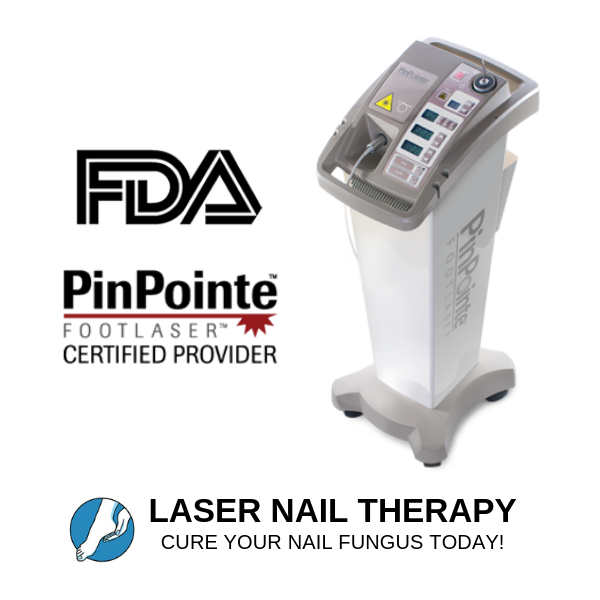
For people looking for an alternative to oral antifungal medication, laser treatment is one option to discuss with a foot doctor. At Laser Nail Therapy, the PinPointe FootLaser is used as a treatment option for fungal toenails. PinPointe uses controlled laser energy directed through the nail toward the affected area.
The goal of treatment is to target fungal organisms while minimizing the effect on the surrounding healthy tissue. One of the advantages that attracts people to laser treatment is that it does not require an oral antifungal medication. For people who prefer to avoid systemic medication, laser treatment may be worth discussing with a foot doctor. It is important to have realistic expectations, however. Laser treatment is not an instant cure. It takes time for a healthy nail to grow out. It can typically take between six and nine months.
What Happens During PinPointe Laser Treatment?
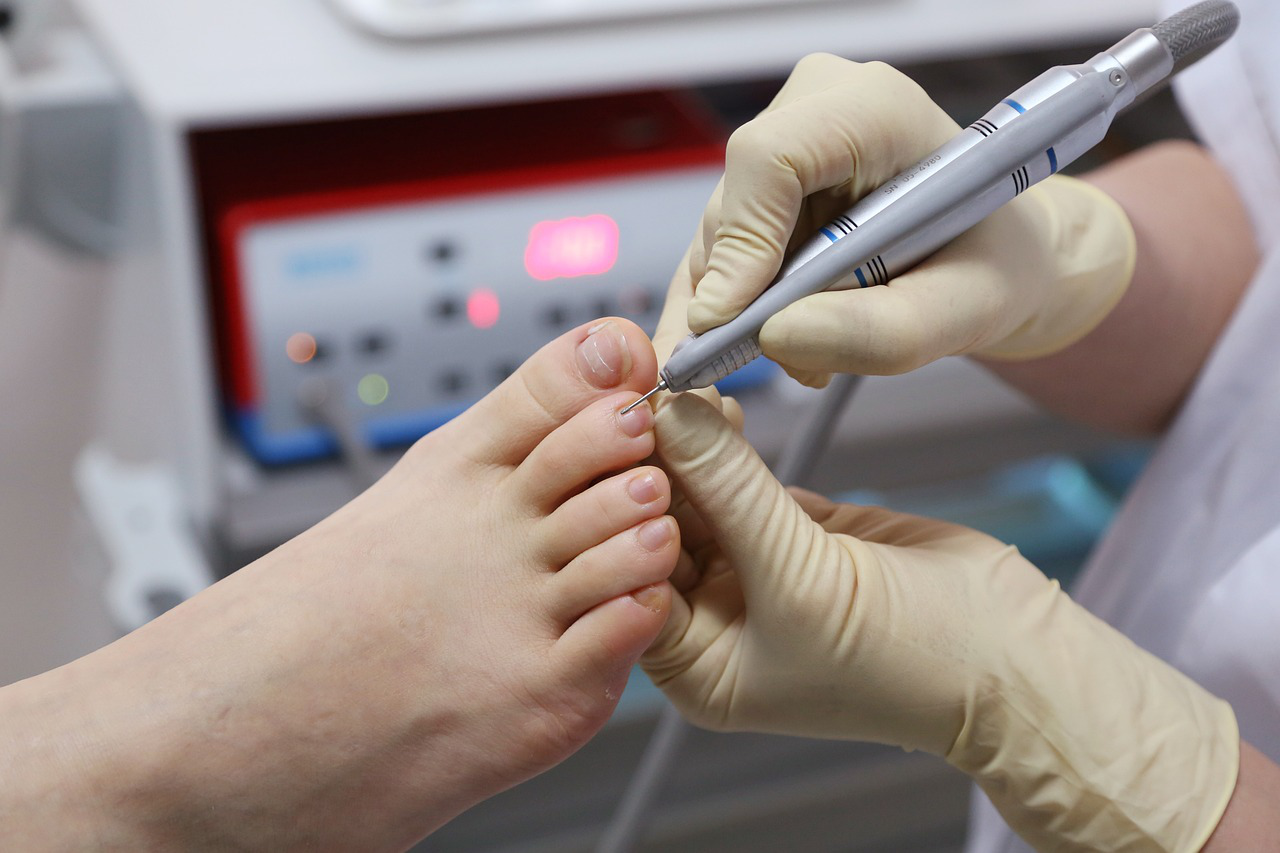
The exact treatment process can vary depending on the foot doctor and the condition of the nails. Typically, the affected toenails are evaluated before treatment. The foot doctor may clean and prepare the nails and determine which nails are appropriate for treatment.
The PinPointe laser is then applied to the affected nails using controlled pulses of laser energy. One of the appealing features of laser treatment is that it does not involve taking a daily oral medication. There is also no extended recovery period associated with the procedure. After treatment, patients still need to allow time for healthy toenail growth. The nail cannot become completely clear overnight because the damaged portion must grow out.
Potential Pros of PinPointe Laser Treatment
There are several reasons people consider laser treatment for toenail fungus.
No Oral Medication
Some people would prefer not to take oral antifungal medication. Laser treatment offers an approach that does not require taking any antifungal pills. This may be particularly appealing to people who have concerns about medication interactions or who simply prefer a non-oral treatment option.
Convenient Treatment Option
Instead of applying a topical medication every day for many months, laser treatment is performed during professional visits. This can be convenient for people who have difficulty maintaining a daily medication routine.
No Long Recovery Period
Laser nail treatment is generally performed as an outpatient procedure. Patients can return to normal activities right after treatment, although individual instructions may vary.
Targeted Treatment
The laser is directed at the affected nail rather than exposing the entire body to an oral medication.
Topical Medications for Toenail Fungus
Prescription topical antifungal medications are another common treatment option. These medications are applied directly to the affected nail. Examples include efinaconazole and tavaborole. The American Academy of Dermatology notes that efinaconazole and tavaborole are FDA-approved for certain patients and are generally applied daily for approximately 48 weeks.
Another prescription topical treatment is ciclopirox. Topical medications can be useful for some people, particularly those with less extensive infections. However, they require consistency. A major challenge is that treatment can take many months. It is easy for someone to become discouraged after several weeks because the nail may not look dramatically different. That does not necessarily mean the treatment is not working. Toenails grow slowly, so visible improvement can take time.
It is also important to understand that over-the-counter terbinafine cream intended for skin infections such as athlete’s foot is not the same as a prescription nail treatment. The American Academy of Dermatology explains that terbinafine cream does not penetrate the nail adequately to treat a fungal nail infection.
Oral Antifungal Medication
Oral antifungal medications are another treatment option and can be effective for appropriate patients. Terbinafine is one commonly prescribed oral medication for toenail fungus. According to the American Academy of Dermatology, treatment for toenail fungus typically lasts about 12 weeks, although the nail itself can take much longer to grow out.
Itraconazole is another prescription oral antifungal that may be used in certain cases. Oral medications work throughout the body, which can be an advantage when treating a fungal infection involving the nail. However, they are not appropriate for everyone. For example, oral antifungal medications can have drug interactions and potential side effects. Certain patients may require liver-function testing before or during treatment. This is why oral antifungal medication should only be taken under the direction of a qualified healthcare professional.
Home Remedies for Toenail Fungus
Search online for toenail fungus, and you will quickly find countless home remedies.
Popular options include:
- Tea tree oil
- Vinegar
- Vicks VapoRub
- Essential oils
- Baking soda
- Hydrogen peroxide
- Coconut oil
- Garlic
Some of these ingredients have demonstrated antifungal activity in laboratory settings. However, laboratory results do not necessarily mean that a product will cure an established fungal infection inside a human toenail. Home remedies may also delay appropriate treatment. Someone may spend months treating a nail at home while the infection continues to progress. Another concern is irritation. Applying concentrated essential oils, acids, or other substances directly to the skin can cause irritation or allergic reactions. If you suspect toenail fungus, it is better to have the condition evaluated before relying on a home remedy.
Why Do Some Toenail Fungus Treatments Fail?
There are several reasons treatment may not produce the expected results.
- First, the problem may not actually be fungal. Other nail conditions can look similar.
- Second, treatment may not be used consistently. Topical medications often require daily application for many months.
- Third, the infection may be extensive or difficult to reach.
- Fourth, the person may become reinfected after treatment. For example, someone might successfully treat their toenail but continue walking barefoot in communal showers, wear damp shoes every day, or leave athlete’s foot untreated. The fungus may then return.
- Finally, the appearance of the nail can remain abnormal even after the fungal infection has been controlled because the damaged portion of the nail needs to grow out.
How Long Does It Take for a Toenail Fungus Infection to Go Away?
Toenail fungus usually requires patience. Unlike an infection on the skin, where treatment can sometimes produce noticeable improvement relatively quickly, toenails grow slowly. Even when treatment successfully addresses the fungus, the damaged nail remains visible until healthy nail grows from the base toward the tip.
A toenail may take approximately 12 to 18 months to completely replace itself, although the exact timeline varies. This means that seeing some discoloration after treatment does not automatically mean the treatment failed. Your foot doctor may monitor the nail over time to evaluate new, healthy growth.
Preventing Toenail Fungus
Prevention is one of the most important parts of maintaining healthy toenails. Even after you have received treatment for toenail fungus, you must follow all and any necessary preventative measures to prevent from getting reinfecting again with toenail fungus.
Keep Feet Clean and Dry
Wash your feet regularly and dry them thoroughly, especially between the toes. Moisture between the toes can create an environment where fungi thrive.
Wear Breathable Shoes
Choose shoes that allow airflow when possible. Avoid wearing damp shoes. If your shoes become sweaty during the day, give them an opportunity to dry completely before wearing them again.
Change Socks Regularly
Change socks when they become damp or sweaty. Athletes and people who sweat heavily may need to change socks more frequently.
Wear Shower Shoes in Communal Areas
Wear flip-flops, sandals, or shower shoes in locker rooms, communal showers, swimming pool areas, gyms, spas, and similar environments. The American Academy of Dermatology specifically recommends footwear in communal wet areas to reduce exposure to fungi.
Do Not Share Nail Tools
Do not share nail clippers, files, or other nail-grooming tools. If you receive a professional pedicure, choose a reputable salon that follows appropriate sanitation procedures.
Keep Toenails Trimmed
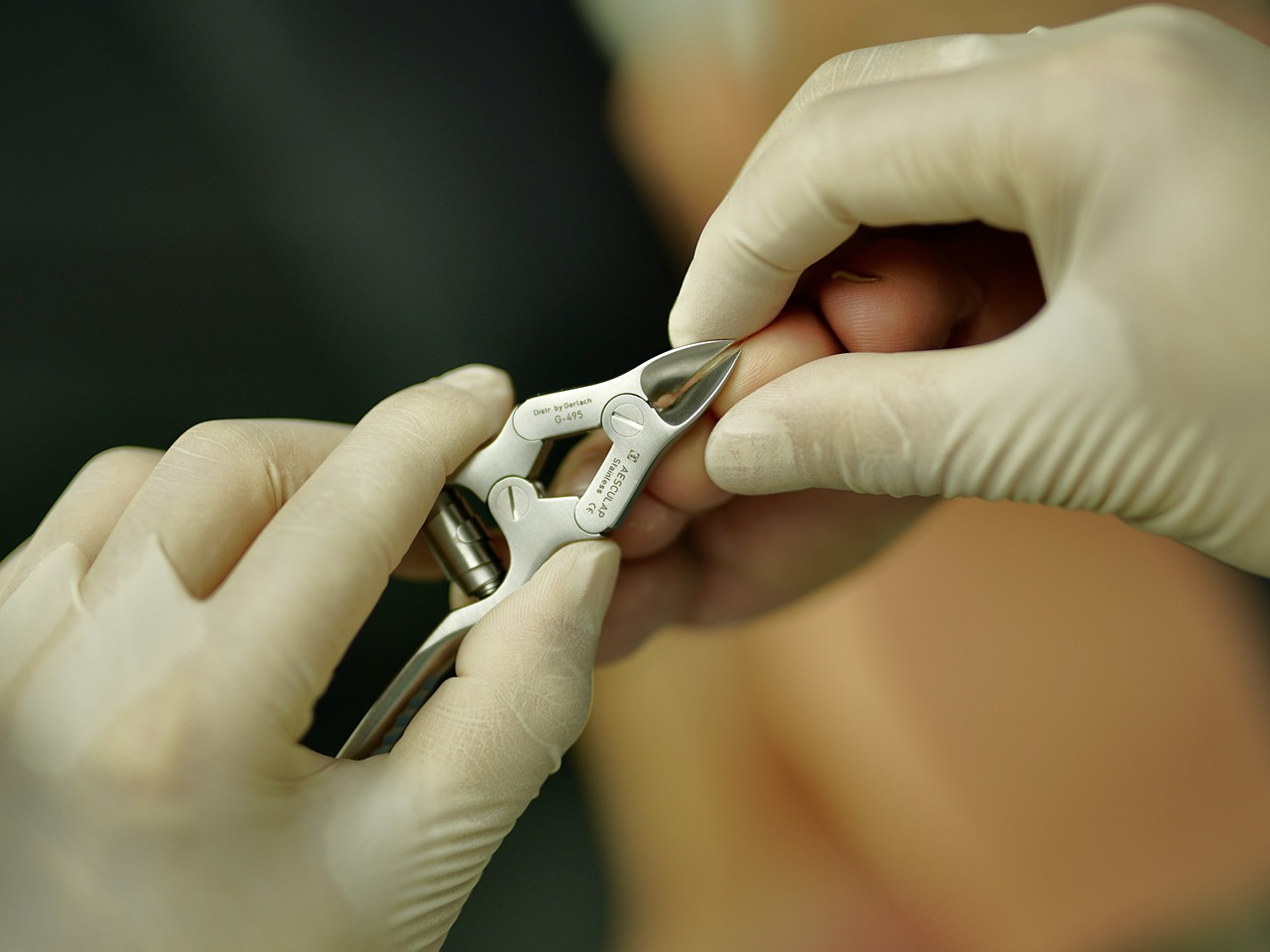
Keep toenails trimmed and avoid cutting them too deeply. The American Academy of Dermatology recommends cutting toenails straight across and keeping them shorter than the ends of the toes.
Protect Your Feet During Exercise
If you exercise regularly, pay particular attention to your footwear. Allow athletic shoes to dry between uses, change sweaty socks, and wear shower shoes in locker rooms.
Treat Athlete’s Foot
If you have athlete’s foot, do not ignore it. Fungal infections of the skin can spread to the toenails. Treating athlete’s foot and maintaining good foot hygiene can help reduce the opportunity for fungus to reach the nails.
What Should You Do If Toenail Fungus Keeps Coming Back?
Unfortunately, toenail fungus can return even after successful treatment. The American Academy of Dermatology notes that recurrence can happen a year or more after clearing an infection. If fungus returns, it is important to consider what may be contributing to the recurrence.
- Are your feet frequently sweaty?
- Do you wear the same shoes every day?
- Do you walk barefoot in communal showers?
- Do you have athlete’s foot?
- Are your shoes completely dry before you wear them?
- Do other members of your household have fungal infections?
Addressing these factors can help reduce the chance of another infection.
Choosing the Right Toenail Fungus Treatment
There is no single treatment that is ideal for every person. Some people may benefit from topical medication. Others may be candidates for oral antifungal medication. Some may prefer to discuss laser treatment. In certain cases, a provider may recommend combining approaches.
The right choice depends on factors such as:
- The severity of the infection
- The number of nails affected
- How much of each nail is involved
- Your medical history
- Current medications
- Previous treatment attempts
- Personal treatment preferences
- The likelihood of reinfection
A professional evaluation is particularly important when a toenail has become significantly thickened, painful, deformed, or separated from the nail bed.
When Should You See a Professional?
If you notice persistent changes in your toenails, consider having them evaluated. A professional evaluation can help determine whether the problem is actually fungal and identify an appropriate treatment strategy.
You should be especially proactive if you have diabetes, circulation problems, a weakened immune system, significant foot pain, or an infection that appears to be spreading. Early evaluation can also prevent months of guessing and trying treatments that may not address the actual cause of the nail changes.
Laser Treatment for Toenail Fungus
As you can see, tips for healthy feet without nail fungus can be easy to find. If you have caught nail fungus, it can be easily treated using the FDA-approved PinPointe laser. It typically only takes one treatment. Other treatments, like topical solutions and oral medication, are not as effective. Topical solutions have a very low cure rate. This is because the solution does not penetrate all the way through the nail bed. Oral medication is not recommended by our nail doctors. This is because it can lead to liver toxicity. You would need to have consistent blood tests throughout the course of taking the medication.
Our nail doctor in Miami, FL, recommends this treatment for toenail fungus. The PinPointe Laser treatment has the highest cure rate on the market. It has no side effects and no recovery period. As a result, you can go about your daily activities right after the treatment. Also, there’s no pain.
If you have any signs of nail fungus, call us at (800) 672-0625 at our Miami, FL location. Visit our website for more information on our doctors at one of our over 150 locations.
Fun Things to Do in Miami
Miami is a vibrant destination known for its beautiful beaches, exciting nightlife, delicious food, and unique cultural experiences. Whether you are visiting for a weekend or live nearby, there is always something fun to discover.
Relax at South Beach
No trip to Miami is complete without spending time at South Beach. Located in the heart of Miami Beach, this famous stretch of coastline is perfect for swimming, sunbathing, walking along the shore, or simply enjoying the ocean views. After the beach, explore Ocean Drive and its colorful Art Deco buildings, restaurants, and cafes.
Explore Little Havana
For a taste of Miami’s Cuban culture, head to Little Havana. Walk along Calle Ocho, listen to live music, browse local shops, and enjoy traditional Cuban food and coffee. Stop by Máximo Gómez Park, also known as Domino Park, where locals gather to play dominoes and socialize.
Visit Wynwood Walls
Art lovers should make time for Wynwood Walls, a popular outdoor art destination featuring colorful murals and street art. The surrounding Wynwood neighborhood is also filled with galleries, boutiques, restaurants, and cafés, making it a fun area to explore on foot.
Spend Time at Bayside Marketplace
Bayside Marketplace offers shopping, restaurants, entertainment, and beautiful waterfront views. Visitors can browse stores, grab a meal, or enjoy a boat tour departing from the nearby marina.
Explore Vizcaya Museum and Gardens
For something more peaceful, visit Vizcaya Museum and Gardens. This historic estate features beautiful architecture, gardens, and waterfront scenery. It is an excellent place to slow down and enjoy Miami’s history and natural beauty.
From beaches and art to food and culture, Miami offers something for almost every type of traveler. With so many neighborhoods and attractions to explore, you can easily create an exciting itinerary for your next visit.