Causes, Treatments, Prevention, and How Laser Treatment Can Help
Toenail fungus is a common condition that affects millions of people. It can cause toenails to become yellow, thick, brittle, and discolored. Although toenail fungus may seem like a minor cosmetic concern at first, it can become uncomfortable and frustrating if left untreated.
Many people feel embarrassed by the appearance of their toenails and may avoid wearing sandals, going barefoot at the beach, or participating in activities where their feet are visible. Others experience discomfort when wearing shoes, walking, or exercising because the infected nail becomes thick or distorted.
The good news is that toenail fungus can often be managed with the right treatment and consistent foot care. Treatment options include topical antifungal medications, prescription oral medications, and laser treatments such as the PinPointe laser offered by Laser Nail Therapy. Each option has benefits and limitations, so understanding the differences can help people make informed decisions about their foot health.
Knowing how toenail fungus develops is equally important. Fungal infections thrive in warm, damp environments, making sweaty shoes, shared showers, swimming pool areas, and certain nail care practices potential sources of exposure. Some people are also more likely to develop infections because of their age, health conditions, lifestyle, or existing foot problems.
What Is Toenail Fungus?
Toenail fungus, medically known as onychomycosis, is an infection caused by fungi that grow in or beneath the nail. These organisms thrive in warm, moist environments and can spread through contact with contaminated surfaces, infected nails, or infected skin.
Fungi are naturally present in many environments. However, certain conditions allow them to grow more easily. When fungi enter the nail through a small crack, an injured nail, or the space between the nail and nail bed, they can gradually multiply and damage the nail’s structure. Toenail fungus usually develops slowly. An infection may begin as a small white or yellow spot near the tip or side of a nail. Over time, the discoloration can spread, and the nail may become thicker, rougher, or more fragile.
Common signs of toenail fungus include:
- Yellow, white, or brown discoloration: The nail may lose its natural pinkish appearance.
- Thickened nails: The nail can become difficult to cut or maintain.
- Brittle or crumbly edges: Infected nails may break apart or develop an uneven surface.
- Changes in nail shape: The nail may become distorted, raised, or curved.
- Unpleasant odor: Some infected nails develop a cheesy odor, particularly when debris and moisture accumulate.
- Separation from the nail bed: The nail may begin lifting away from the skin underneath.
Not everyone experiences every symptom. Some people have a mild infection affecting only one nail, while others develop infections involving several toenails. It is also important to understand that not every discolored or thickened nail has a fungal infection. Repeated pressure from shoes, injuries, psoriasis, and other nail conditions can create similar changes. A healthcare professional may examine the nail or collect a sample for laboratory testing to confirm the diagnosis before treatment begins.
How Do People Get Toenail Fungus?
Toenail fungus develops when fungi reach the nail and find conditions that allow them to grow. Exposure does not always lead to an infection, but certain environments and habits increase the chances of developing one.
1. Walking Barefoot in Public Areas
Public places with warm, damp floors can expose people to fungi. Examples include:
- Locker rooms and gym changing areas
- Public showers
- Swimming pool decks
- Shared shower areas in hotels or dormitories
Fungi can survive on contaminated surfaces, particularly where moisture and warmth are present. Walking barefoot in these areas can increase exposure, especially if the skin is cracked or the feet are already affected by athlete’s foot. Wearing shower sandals or flip-flops in communal wet areas is a simple way to reduce contact with potentially contaminated surfaces.
2. Wearing Sweaty Shoes and Socks
Feet naturally sweat throughout the day. When sweat becomes trapped inside shoes, the environment can become warm and damp, creating favorable conditions for fungal growth.
Shoes that do not breathe well, socks that retain moisture, and wearing the same damp footwear repeatedly can make the problem worse. People who spend long hours on their feet, exercise regularly, or work in hot environments may be especially likely to experience persistent foot moisture. Changing into clean, dry socks and allowing shoes to dry completely between uses can help lower the risk.
3. Having Athlete’s Foot
Athlete’s foot is a fungal infection that usually affects the skin between the toes, the soles, or the sides of the feet. It can cause itching, redness, peeling, scaling, and cracking.
The fungi responsible for athlete’s foot can also infect toenails. An untreated skin infection may spread to nearby nails, particularly when a person scratches the affected area or touches infected skin and then handles the nails. Treating athlete’s foot promptly is an important part of preventing toenail fungus. Even after the skin improves, people should continue following the recommended treatment instructions and maintain good foot hygiene.
4. Sharing Nail Care Equipment
Nail clippers, files, and other pedicure tools can transfer fungi from one person to another if they are contaminated and not properly disinfected. This can happen at home or in nail salons where instruments are not cleaned and disinfected appropriately between clients.
When visiting a salon, look for clean work areas and properly processed reusable instruments. Consider bringing your own nail care tools if you are concerned about sanitation. At home, avoid sharing clippers, files, or other equipment with someone who has a suspected or confirmed fungal infection. Clean your tools after use and follow appropriate disinfection instructions.
5. Wearing Tight or Poorly Fitting Shoes
Shoes that squeeze the toes can place repeated pressure on the nails. Over time, this pressure may cause small injuries, nail separation, or other damage that makes it easier for fungi to enter. Runners, hikers, dancers, and athletes who perform repetitive movements may experience this problem more frequently.
Choose footwear with enough room in the toe box, and replace shoes that have become worn out or no longer fit properly. Properly fitting shoes help protect the nails from both injury and excessive moisture.
6. Nail Injuries
A stubbed toe, dropped object, sports injury, or repeated impact against the front of a shoe can damage a toenail. Even minor injuries may create an entry point for fungi. Injuries can also cause discoloration that resembles a fungal infection. For this reason, a dark or damaged nail should not automatically be assumed to have fungus, particularly if the change followed an injury. If a nail develops an unusual dark streak, persistent discoloration, or unexplained changes, seek medical evaluation.

7. Contact With Infected Nails or Skin
Fungal infections can spread through direct contact with infected nails or skin and through contaminated objects or surfaces. Household members may share exposure risks when they use the same bathroom, shower, or nail care equipment.
This does not mean that everyone living with someone who has toenail fungus will become infected. Good hygiene, separate nail tools, dry feet, and proper cleaning of shared wet areas can help reduce the risk of transmission.
Who Is More Likely to Get Toenail Fungus?
Anyone can develop toenail fungus, but certain groups have a higher risk. Understanding these risk factors can help people take preventive steps before an infection develops.
Older Adults
Toenail fungus becomes more common with age. Toenails generally grow more slowly as people get older, and years of wear, pressure, and minor injuries can weaken the nail structure. Older adults may also have reduced circulation, difficulty reaching their feet, or health conditions that make foot care more challenging. Regular nail inspections, appropriate footwear, and professional foot care when needed can help identify problems early.
Athletes and Active Individuals
Athletes frequently encounter conditions that encourage fungal infections. Sweating, prolonged shoe use, shared locker rooms, communal showers, and repetitive nail trauma can all contribute to the risk.
Runners, swimmers, soccer players, basketball players, hikers, and gym enthusiasts may be exposed to several of these factors at once. Athletes can lower their risk by wearing moisture-managing socks, changing out of sweaty footwear promptly, using sandals in communal showers, and treating athlete’s foot early.
People With Diabetes
People with diabetes may face additional foot health risks, especially when they have reduced circulation, nerve damage, or difficulty noticing minor injuries. A fungal nail infection can become more troublesome when the nail thickens, presses against surrounding skin, or causes an unnoticed wound.
People with diabetes should seek professional advice about nail changes rather than attempting aggressive trimming or at-home procedures. Maintaining good blood glucose control and attending recommended foot examinations can also help protect overall foot health.
People With Reduced Circulation
Poor circulation can affect the health of the feet and may make nail problems more difficult to manage. When circulation is impaired, minor injuries may heal more slowly, and the skin may be more vulnerable to complications. People with peripheral artery disease or other circulation problems should discuss nail changes with a healthcare professional.
People With Weakened Immune Systems
The immune system helps the body defend itself against infections. People with certain medical conditions or treatments that suppress immune function may be more susceptible to fungal infections or complications. If an infection is persistent, spreading, or accompanied by other concerning symptoms, professional evaluation is particularly important.
People With a Family History of Toenail Fungus
Some people appear to have a greater inherited susceptibility to fungal nail infections. Family members may also share environmental exposures, footwear habits, and bathroom surfaces that contribute to the risk. A family history does not guarantee that someone will develop toenail fungus, but it can be a reason to pay closer attention to prevention.
People Who Frequently Wear Closed-Toe Shoes
Workers who wear heavy boots, protective footwear, or closed-toe shoes for long periods may experience prolonged moisture and limited ventilation. This can affect people in construction, healthcare, hospitality, manufacturing, and other occupations that require extended time in enclosed footwear. Choosing breathable socks, changing them when damp, and rotating shoes when possible can help reduce moisture buildup.
People With Existing Nail or Skin Conditions
People with athlete’s foot, damaged nails, psoriasis, or other conditions affecting the skin and nails may be more likely to develop changes that allow fungi to enter or persist. Treating existing skin infections and protecting the nails from repeated trauma are important parts of prevention.
What Happens if Toenail Fungus Is Left Untreated?
Toenail fungus often progresses slowly, so it may not seem urgent at first. However, the infection can become more noticeable and difficult to manage over time. An untreated infection may cause the nail to become increasingly thick, discolored, brittle, or misshapen. As the nail changes, it can become harder to trim and may press against the inside of shoes. Some people develop discomfort when walking, running, or standing for long periods. Others experience nail separation, debris buildup, or irritation of the surrounding skin.
Fungal infections can also spread to other toenails or coexist with athlete’s foot, making foot care more challenging. For people with diabetes, reduced circulation, or a weakened immune system, complications deserve special attention. Skin breakdown around an affected nail may create an opportunity for a bacterial infection, which can become serious in vulnerable individuals.
Not every case of toenail fungus leads to these problems, and the infection is not usually a medical emergency in an otherwise healthy person. Still, early evaluation can help prevent worsening nail damage and identify the most appropriate treatment. If the nail becomes painful, the surrounding skin becomes red or swollen, or drainage develops, seek medical care promptly. People with diabetes or poor circulation should be especially cautious about any new foot wound or signs of infection.
Treatment Options for Toenail Fungus
The best treatment for toenail fungus depends on how much of the nail is affected, how long the infection has been present, the person’s general health, and their treatment preferences. Some infections respond well to prescription topical medications, while more extensive infections may require oral antifungal medication. Laser treatment is another option for people interested in a procedure that does not involve taking an oral antifungal drug.
Before choosing a treatment, it is helpful to understand the available options and what each can realistically accomplish. A healthcare professional may recommend laboratory testing to confirm the infection, particularly when the diagnosis is uncertain or oral medication is being considered.
1. PinPointe Laser Treatment at Laser Nail Therapy
Laser treatment is an option for people looking for a non-drug approach to addressing the appearance of fungus-affected toenails. Laser Nail Therapy offers PinPointe laser treatment, which uses focused laser energy directed at the affected nail area.
The PinPointe FootLaser is a type of Nd:YAG laser designed to deliver energy through the nail toward the underlying nail area. Laser procedures are generally performed in a clinical setting and do not require the patient to take an oral antifungal medication.
How Does PinPointe Laser Treatment Work?
During treatment, the provider directs laser energy across the affected toenails in a controlled pattern. The procedure is intended to target the nail area affected by the infection. The exact treatment plan depends on the condition of the nails, the number of nails involved, and the provider’s protocol. Some patients may require more than one session.
A typical appointment may involve the following steps:
- Nail assessment: The provider examines the nails and discusses the patient’s symptoms, medical history, and treatment goals.
- Preparation: The feet and nails are prepared for the procedure. Excess nail thickness may be addressed when appropriate.
- Laser application: The provider moves the laser across the affected nails, delivering energy to the treatment area.
- Aftercare guidance: The patient receives instructions for nail care, hygiene, and reducing the risk of reinfection.
Patients should ask Laser Nail Therapy about the recommended number of sessions, expected costs, follow-up appointments, and whether additional treatments are advised.
What Are the Potential Benefits of PinPointe Laser Treatment?
One reason people consider laser treatment is that it offers an alternative to taking oral medication. Depending on the individual’s situation, potential advantages include the following.
No oral antifungal medication is required for the laser procedure itself. Some patients prefer to avoid systemic medication because of concerns about side effects, medication interactions, or the need for medical monitoring. Laser treatment avoids those particular oral-drug risks, although it has its own potential risks and limitations.
Treatment is performed in a clinical setting. Patients receive the procedure from a provider rather than relying entirely on daily applications at home. It may be considered by people who cannot take certain oral medications. Individuals who have contraindications to oral antifungals may wish to discuss laser treatment with their healthcare professional. Whether it is appropriate depends on their health and treatment goals. There is no need to wait for a topical product to dry after a laser session. The procedure does not require applying an antifungal solution to the nail as part of the laser application itself.
Is PinPointe Laser Treatment Painful?
Experiences vary. Some patients describe a warming sensation, brief pinprick-like feelings, or discomfort as the laser passes over the nail. Others may tolerate the procedure well.
Patients should tell their provider if they experience significant discomfort during treatment. The provider can explain what sensations are expected and how the procedure is managed. Laser treatment is not completely risk-free, and the possibility of discomfort should be considered when comparing it with medication-based options.
How Long Does It Take to See Results?
Toenails grow slowly, so visible improvement takes time regardless of the treatment chosen. Even when treatment is successful, an existing damaged nail does not instantly become normal. The affected portion must gradually grow out as new nail develops from the base. A toenail may take approximately 6 to 9 months to grow out completely, although growth rates vary. The big toenail often takes longer than smaller toenails.
Patients should not judge the outcome of treatment after only a few weeks. Follow-up assessments can help determine whether the nail is improving and whether additional evaluation or treatment is needed.
2. Topical Antifungal Medication
Topical antifungal medications are applied directly to the affected nail. They are often considered for mild to moderate infections, especially when the infection has not spread extensively through the nail.
These medications are available in prescription formulations designed specifically for fungal nail infections. Examples include efinaconazole, tavaborole, and ciclopirox. Some people prefer topical treatment because the medication is applied to the affected area rather than taken by mouth. These products generally have fewer systemic medication risks than oral antifungals. However, topical treatment has an important challenge: the medication must penetrate the hard nail plate to reach the fungus underneath. Thickened or severely damaged nails can make this more difficult.

How Is Topical Treatment Used?
The medication is applied according to the prescription instructions, often once daily for an extended period. For some prescription toenail products, treatment lasts approximately 48 weeks. Patients should continue using the medication for the prescribed duration even if the nail begins to look better. Stopping treatment too early may reduce the chance of success. It is also important to apply the product correctly and keep the feet clean and dry. A healthcare professional may recommend trimming or thinning the affected nail when appropriate to help improve treatment access.
What Are the Advantages of Topical Medication?
Topical medications can be useful for people who:
- Have a relatively mild infection.
- Prefer to avoid oral antifungal medication.
- Have medical reasons to avoid systemic treatment.
- Can follow a consistent daily treatment routine.
Side effects are generally localized and may include irritation, redness, burning, or discomfort around the treated nail.
What Are the Limitations?
Topical medications require patience. Toenails grow slowly, and treatment may continue for many months. They may also be less effective when the infection affects a large portion of the nail, reaches the nail’s growth area, or causes substantial thickening.
Prescription topical medications are different from ordinary antifungal creams used for athlete’s foot. A cream that works well on the skin may not penetrate the nail sufficiently to treat an infection underneath it. The American Academy of Dermatology explains that prescription nail treatments often require prolonged use and that not every patient achieves complete clearance.
3. Oral Antifungal Medication
Oral antifungal medications are taken by mouth and travel through the bloodstream to reach the nail as it grows. They are often considered for moderate to severe toenail fungus, multiple affected nails, or infections that are unlikely to respond adequately to topical treatment alone. One commonly prescribed medication is terbinafine. Itraconazole is another option in certain circumstances. Oral medications may offer a better chance of clearing the infection than topical treatment alone, particularly when the infection is extensive. However, they are not suitable for everyone.
How Does Oral Treatment Work?
The medication helps stop fungal growth or eliminate susceptible fungi within the nail. As the infected nail grows out, healthier nail can gradually replace the damaged portion. A typical course of oral terbinafine for toenail fungus lasts about 12 weeks in adults, although the exact regimen must be determined by the prescribing clinician. Visible nail improvement may continue for months after the medication course ends because the nail must grow out.
What Are the Advantages of Oral Medication?
Oral antifungals can be useful when the infection is widespread, several nails are involved, or topical treatment has not worked. They reach the nail through the body’s circulation rather than relying on a product to pass through the nail surface. This can make them more effective for suitable patients.
What Are the Risks?
Oral antifungals can cause side effects and interact with other medications. Terbinafine can rarely cause serious liver problems. A healthcare professional will review medical history, other medications, and liver health before prescribing it. Liver testing is commonly performed before treatment, with follow-up monitoring based on the patient’s circumstances and prescribing guidance.
Other potential side effects include stomach discomfort, headache, rash, or changes in taste or smell. The risks differ between medications. Patients should disclose all medications and supplements they take and discuss any history of liver disease or other relevant health conditions before starting treatment. Oral antifungals should never be taken without appropriate medical guidance.
Choosing the Right Treatment
There is no single treatment that works best for every person. The most appropriate option depends on the severity of the infection, the patient’s medical history, and their willingness to follow a long-term treatment plan.
For mild infections, a prescription topical medication may be reasonable. For more extensive infections, an oral antifungal may be considered if it is medically appropriate. Laser treatment may appeal to people seeking a non-oral approach, but its limitations should be clearly understood. In some cases, a healthcare professional may recommend combining treatments or addressing an underlying skin infection at the same time.
The goal is not simply to make the nail look better temporarily. It is to determine the cause of the nail changes, choose an appropriate treatment, monitor progress, and reduce the likelihood of recurrence.
Laser Treatment for Toenail Fungus
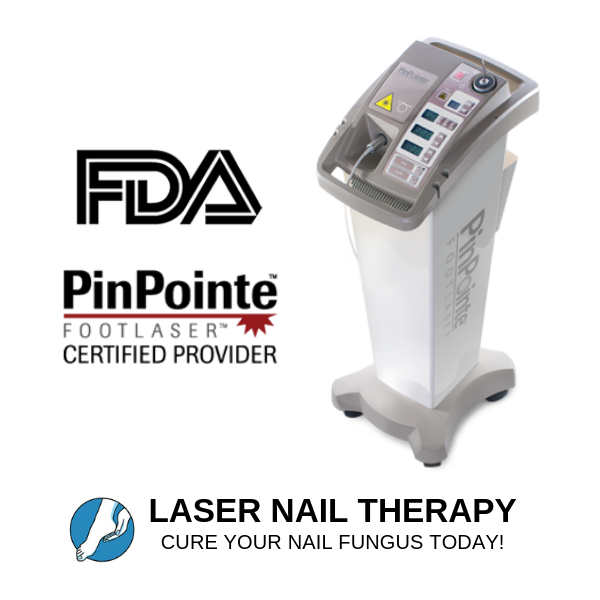
As you can see, tips for healthy feet without nail fungus can be easy to find. If you have caught nail fungus, it can be easily treated using the FDA-approved PinPointe laser. It typically only takes one treatment. Other treatments, like topical solutions and oral medication, are not as effective. Topical solutions have a very low cure rate. This is because the solution does not penetrate all the way through the nail bed. Oral medication is not recommended by our nail doctors. This is because it can lead to liver toxicity. You would need to have consistent blood tests throughout the course of taking the medication.
Our nail doctor in Chicago, IL, recommends this treatment for toenail fungus. The PinPointe Laser treatment has the highest cure rate on the market. It has no side effects and no recovery period. As a result, you can go about your daily activities right after the treatment. Also, there’s no pain.
If you have any signs of nail fungus, call us at (800) 672-0625 at our Chicago, IL location. Visit our website for more information on our doctors at one of our over 150 locations.
Fun Things to Do in Chicago
Chicago, Illinois, is an exciting city filled with incredible architecture, world-class museums, delicious food, and beautiful lakefront views. Whether you’re visiting for a weekend or planning a longer vacation, there are plenty of fun things to see and do throughout the Windy City.
Explore Millennium Park and Cloud Gate
Chicago is an exciting city filled with incredible architecture, world-class museums, delicious food, and beautiful lakefront views. One of the city’s most popular attractions is Millennium Park, home to the famous Cloud Gate sculpture, also known as “The Bean.” Visitors can take photos, explore the gardens, and enjoy seasonal events.
Enjoy Stunning Skyline Views
For breathtaking views of the city, visit Skydeck Chicago at Willis Tower or 360 CHICAGO at the former John Hancock Center. Both observation decks offer spectacular views of the skyline, making them perfect for sightseeing and photography.
Visit World-Class Museums
Art and history enthusiasts will love the Art Institute of Chicago, which features an impressive collection of artwork from around the world. Families can also explore the Field Museum for fascinating natural history exhibits or discover marine life at Shedd Aquarium.
Try Chicago’s Famous Foods
Food lovers should not leave Chicago without trying its famous deep-dish pizza or a classic Chicago-style hot dog. The city also offers diverse restaurants, neighborhood food tours, and lively dining districts where visitors can experience its rich culinary scene.
Walk Along the Chicago Riverwalk
For outdoor fun, take a stroll along the Chicago Riverwalk, enjoy a guided architecture boat tour, or relax along Lake Michigan’s scenic shoreline. During warmer months, Navy Pier is another favorite destination, offering rides, entertainment, restaurants, and beautiful waterfront views.
Experience the Best of Chicago
Whether you enjoy sightseeing, food, art, or outdoor adventures, Chicago offers something for everyone. Its combination of iconic attractions, vibrant neighborhoods, and unforgettable experiences makes it a fantastic destination for travelers of all ages.