A Complete Guide to Knowing Your Treatment Options
Toenail fungus can be frustrating, embarrassing, and surprisingly difficult to get rid of. What may begin as a small yellow spot can gradually turn into a thick, discolored, or distorted toenail. The good news is that there are several ways to address toenail fungus. One option that many people are interested in is laser treatment. At Laser Nail Therapy, the PinPointe FootLaser is used as a treatment option for people dealing with fungal toenails.
But how does someone get toenail fungus in the first place? Why does it seem more common in warm and humid areas? What makes some people more likely to develop an infection? And how does laser treatment compare with topical medications, oral antifungal medications, and home remedies? Understanding the answers to these questions can make it easier to protect your feet and choose an appropriate treatment.
What Is Toenail Fungus?
Toenail fungus, medically known as onychomycosis, is a fungal infection that affects the toenail and the tissue underneath or around it. Toenails are affected much more often than fingernails.
The infection can cause several noticeable changes, including:
- Yellow, white, brown, or discolored nails
- Thickened toenails
- Brittle or crumbly nails
- Nails that become distorted
- Nails that separate from the nail bed
- Difficulty trimming the nail
Toenail fungus is not simply a cosmetic problem. As the infection progresses, the nail can become increasingly thick and difficult to manage. A severely thickened nail may also become uncomfortable when it rubs against the inside of a shoe.
One important point is that not every thick or discolored toenail is caused by fungus. Trauma, repeated pressure from shoes, psoriasis, and other nail conditions can create similar changes. The American Academy of Dermatology recommends appropriate evaluation because treating a nail that is not actually infected with fungus will not solve the underlying problem. That is why an evaluation should be the first step before beginning treatment.
How Do People Get Toenail Fungus?
Toenail fungus is caused by fungi that thrive in warm, moist environments. These organisms can live on skin, nails, floors, towels, footwear, and nail-grooming tools. The infection can develop when these fungi gain access to a small opening in or around the nail. You do not necessarily have to have poor hygiene to develop toenail fungus. In fact, someone can have clean feet and still develop an infection after exposure to fungus in the right environment. Common ways people can encounter toenail fungus include walking barefoot in public areas, sharing contaminated personal items, having persistently sweaty feet, or developing athlete’s foot.
Public Pools, Showers, and Locker Rooms
Public wet areas are some of the most recognizable environments associated with fungal exposure. Locker rooms, gym showers, pool decks, spas, and communal bathrooms can remain warm and damp for long periods. These conditions allow fungi to survive and spread.
Walking barefoot in these areas increases the opportunity for your feet to come into contact with fungal organisms. This does not mean that everyone who walks barefoot at a swimming pool will develop toenail fungus. The fungus generally needs an opportunity to enter through a small break in the skin or nail area.
Still, wearing shower shoes, flip-flops, or other protective footwear is a simple way to reduce exposure. The American Academy of Dermatology specifically recommends wearing footwear in locker rooms, gyms, shared showers, spas, and around swimming pools.
Sharing Nail Clippers and Other Tools
Toenail fungus can also spread through contaminated nail-grooming tools. Sharing nail clippers, files, or other grooming equipment with someone who has a fungal infection can provide a direct route for exposure. The same problem can occur when nail tools are used on an infected nail and then used on a healthy nail without being properly cleaned and disinfected. For this reason, nail-grooming tools should not be shared. They should also be properly cleaned and disinfected between uses.
Sharing Towels, Shoes, or Other Personal Items
Fungi can also spread through contaminated personal items. Sharing towels, socks, shoes, or other items that have come into contact with an infected toenail can increase the opportunity for exposure. This is particularly important in households where more than one person has athlete’s foot or toenail fungus. The American Academy of Dermatology recommends that people avoid sharing towels, shoes, and nail-grooming tools.
Athlete’s Foot Can Spread to the Toenails
Another common path to toenail fungus is athlete’s foot, also known as tinea pedis. Athlete’s foot affects the skin of the feet and can cause:
- Itching
- Peeling
- Scaling
- Cracking
- Burning
- Irritation, particularly between the toes
If the fungus on the skin spreads toward the toenail, it can eventually contribute to a fungal nail infection. This is one reason it is important not to ignore athlete’s foot. Treating a fungal skin infection early may help reduce the opportunity for it to spread to the toenails.
Why Are Warm and Humid Regions More Common Places to Encounter Toenail Fungus?
Why Are Warm and Humid Regions More Common Places to Encounter Toenail Fungus?
People can develop toenail fungus almost anywhere. There is no geographic location where you are guaranteed to develop or avoid the infection. However, warm and humid environments create conditions that are favorable for fungi. This means people who live in or frequently travel to warm, humid regions may encounter more of the environmental conditions that allow fungi to thrive. For example, areas with hot weather and high humidity can make it easier for feet to remain sweaty and for shoes and socks to stay damp.
Regions With Hot, Humid Climates
In the United States, warm and humid regions can include parts of:
- Florida
- Texas
- Georgia
- South Carolina
- Southern California during warm periods
Other tropical and subtropical areas around the world can create similar conditions. However, it is important not to assume that people in these regions automatically have a higher rate of toenail fungus simply because of climate. Lifestyle, age, footwear, exposure to public wet areas, sweating, previous infections, nail injuries, and other factors all influence risk.
Someone living in a dry climate can still develop toenail fungus if they frequently use public locker rooms, wear sweaty shoes, share contaminated tools, or have athlete’s foot. At Laser Nail Therapy, we provide laser treatment for toenail fungus infections. If you live in the states mentioned and are concerned you might have a toenail fungus infection, schedule a free consultation with one of our foot doctors at a clinic near you.
Why Humidity Matters
Fungi generally prefer warm, moist environments. Feet spend much of the day inside shoes, where heat and moisture can become trapped. If a person has sweaty feet, wears non-breathable shoes, or puts shoes back on before they have had an opportunity to dry, the inside of the footwear can remain an environment where fungi thrive.
The American Academy of Dermatology recommends keeping feet dry, changing sweaty socks, allowing shoes to dry, and choosing breathable footwear. In other words, climate can play a role, but everyday habits matter too.
Who Is More Likely to Develop Toenail Fungus?
Anyone can develop toenail fungus, but certain people have a higher risk. Age is one factor. Toenail fungus becomes more common as people get older. The American Academy of Dermatology reports that approximately half of people over age 70 develop nail fungus.
Other factors that can increase risk include:
- Previous toenail fungus
- Nail injuries
- Athlete’s foot
- Excessive sweating
- Tight shoes
- Frequently wearing sweaty footwear
- Walking barefoot in public wet areas
- Diabetes
Previous nail fungus is especially important because an infection can return even after successful treatment. That means treating the existing infection is only part of the process. Preventing another infection should also be a priority.
What Is the PinPointe FootLaser?
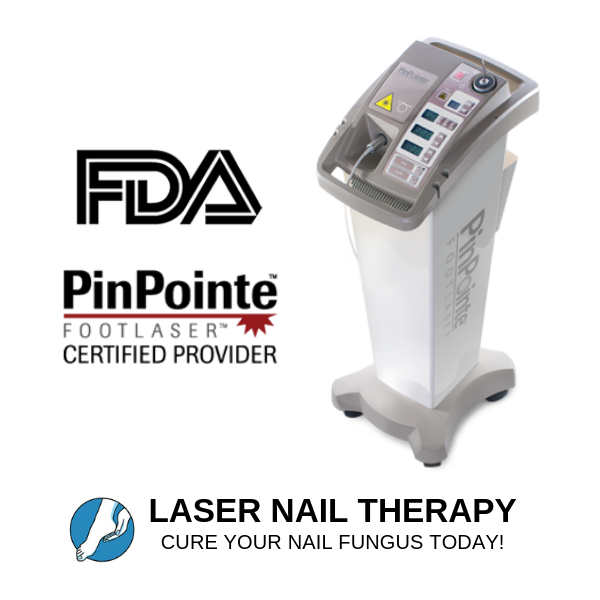
At Laser Nail Therapy, the PinPointe FootLaser is used as an option for people with toenail fungus. The basic concept is straightforward. The laser delivers focused energy through the affected nail toward the area where fungal organisms may be present.
Unlike an oral medication, the laser is not a drug that travels throughout the body. This is one reason some people interested in a medication-free approach choose to discuss laser treatment with a foot doctor. Laser Nail Therapy describes the PinPointe FootLaser as its primary technology for treating fungal nails and currently offers the treatment through its various locations. The treatment requires no anesthesia and has no recovery period. You can go about your daily activities right after treatment.
How Does PinPointe Laser Treatment Work?
During treatment, the laser is directed over the affected toenail according to the foot doctor’s treatment protocol. The laser energy passes through the nail toward the underlying area. The goal is to deliver controlled energy to the affected region.
Many patients describe the sensation as warmth or a slight warming feeling. Because there is no surgical incision involved, laser treatment does not require the type of recovery associated with a surgical procedure. However, it is important to understand that the treatment does not instantly make an existing damaged toenail look completely normal. The nail that is already thickened or discolored has already grown. Even if treatment successfully addresses the fungal infection, that damaged portion of the nail must gradually grow out.
Why Doesn’t the Nail Look Perfect Immediately?
This is one of the most important things to understand about toenail fungus treatment. Toenails grow slowly. When a fungal infection has damaged a toenail, the damaged portion does not simply disappear after treatment. Instead, new nail gradually grows from the base of the nail and pushes the older portion forward.
Depending on the individual, complete toenail growth can take between six and nine months. Therefore, patience is an important part of the process. Seeing healthier-looking growth near the base of the nail can be encouraging, but it takes time for that new growth to travel toward the end of the toe.
Pros of PinPointe Laser Treatment
People consider laser treatment for a variety of reasons.
- No Oral Antifungal Medication: One of the biggest reasons people explore laser treatment is that it does not require taking an oral antifungal medication. Oral antifungal medications can be effective for some patients, but they are not appropriate for everyone. Certain medications can interact with oral antifungals, and some oral antifungal treatments require monitoring. For example, the American Academy of Dermatology notes that terbinafine can require liver-function testing because liver damage is a possible, though rare, side effect. A laser treatment offers a different approach for people who prefer to avoid oral medication.
- In-Office Treatment: Laser treatment is performed during an office visit rather than requiring a daily medication routine. For people who have difficulty remembering to apply topical medication every day, an in-office procedure may be more convenient.
- No Long Recovery Period: Because PinPointe treatment is non-surgical, patients generally do not need a lengthy recovery period. Laser Nail Therapy describes patients as being able to return to their regular activities following treatment. Your provider may still give you specific instructions regarding nail care, footwear, hygiene, or other measures after treatment.
- Targets the Affected Nail: Another reason people consider laser treatment is that it is directed at the affected nail rather than being a medication that circulates throughout the body. This can be appealing to people who are looking for an alternative to oral medication.
An in-office treatment provides a different type of treatment experience.
Other Toenail Fungus Treatment Options
Laser treatment is not the only option. Depending on the severity of the infection, a healthcare professional may recommend topical medication, oral medication, nail debridement, or another approach
Prescription Topical Treatments
Prescription topical medications are applied directly to the affected nail. Examples include efinaconazole, tavaborole, and ciclopirox. These treatments can be useful for certain patients, particularly those with less extensive infections. The biggest challenge for many people is consistency.
Topical medications may need to be applied every day for an extended period. The American Academy of Dermatology notes that efinaconazole and tavaborole are typically used daily for 48 weeks. If you choose a topical treatment, following the directions consistently is extremely important.
Oral Antifungal Medication
Oral antifungal medications work throughout the body and may be recommended for certain patients. Terbinafine is one commonly prescribed medication. Itraconazole is another option. Oral medication can be effective, but it is not suitable for everyone. Potential side effects and medication interactions need to be considered. Some patients may also require testing before and during treatment.
For example, the American Academy of Dermatology notes that terbinafine can require liver-function testing and that itraconazole can interact with other medications. For someone considering oral medication, a healthcare professional can review medical history, current medications, and other factors before recommending a treatment.
Nail Trimming and Debridement
Nail trimming and debridement can sometimes be used along with other treatments. Reducing the thickness of an infected nail can make the nail easier to manage and may help another treatment work more effectively. A healthcare professional can safely remove excess nail material without causing unnecessary injury.
Nail Removal
In more difficult cases, part or all of the nail may sometimes be removed. This is not usually the first option, but it can be considered in certain situations. Nail removal may help address an extremely damaged nail, although the nail will need time to grow back. The American Academy of Dermatology notes that toenails can take approximately 12 to 18 months to regrow after complete removal.
What About Home Remedies?
Toenail fungus has inspired countless home remedies. Some of the most commonly discussed include:
- Tea tree oil
- Vinegar
- Vicks-type mentholated products
- Essential oils
- Mouthwash
- Bleach
- Hydrogen peroxide
The problem is that popularity does not necessarily equal proven effectiveness.
Some small studies have investigated certain home remedies, but evidence is limited. The American Academy of Dermatology specifically notes that studies involving tea tree oil and mentholated cough-suppressant ointments have been small and that more research is needed to determine how effective and safe these approaches are.
Some household chemicals can also irritate or damage the skin. For this reason, it is better to have a suspected fungal nail infection evaluated instead of relying on harsh home remedies.
Why Is Toenail Fungus So Difficult to Treat?
One reason fungal toenails can be stubborn is the structure of the nail. The nail plate is relatively hard and can make it difficult for certain medications to reach the infected area. Fungal infections can also persist for a long time before a person seeks treatment. By the time someone notices that the nail is yellow, thick, or brittle, the infection may already have progressed.
Another challenge is that toenails grow slowly. Even after successful treatment, the nail does not immediately look normal. This can make patients think their treatment did not work when, in reality, the nail simply needs time to grow.

What Happens During a PinPointe Treatment?
A typical treatment begins with an evaluation. The foot doctor examines the toenails and discusses the patient’s symptoms and medical history. If the nail appears consistent with fungal infection, the provider can discuss treatment options and determine whether laser treatment is appropriate.
During treatment, the PinPointe laser is directed over the affected nail. The treatment is designed to be performed without surgical incisions or anesthesia. The exact treatment experience can vary depending on the condition of the nail and the individual’s circumstances.
What Should You Do After Treatment?
Aftercare is an important part of managing toenail fungus. Treatment should not be viewed as the end of the process. Fungal organisms can be encountered again after treatment, which means prevention matters.
Some helpful habits include keeping the feet clean and dry, changing socks regularly, wearing breathable shoes, and protecting the feet in public wet areas. Your foot doctor may also recommend additional measures based on your individual situation.
How to Prevent Toenail Fungus From Coming Back
Once you have experienced toenail fungus, prevention becomes especially important. Even if you are cured of a toenail fungus infection, you can still get reinfected again.
Keep Your Feet Dry
Moisture is one of the biggest factors that can create a favorable environment for fungi. Wash your feet regularly and dry them thoroughly, especially between the toes. If your feet sweat heavily during the day, consider changing socks.
Choose Breathable Shoes
Shoes made with breathable materials can help improve airflow around the feet. Avoid wearing shoes that trap excessive heat and moisture whenever possible.
Give Shoes Time to Dry
If shoes become sweaty, allow them to dry completely before wearing them again. The American Academy of Dermatology recommends giving shoes approximately 24 hours to dry before wearing them again when possible. Rotating footwear can make this easier.
Change Your Socks
Clean socks can help reduce moisture and fungal exposure. If your socks become sweaty during exercise or throughout the day, change them rather than remaining in damp footwear. Moisture-wicking socks may also help keep feet drier.
Wear Shoes in Public Wet Areas
Do not walk barefoot in public locker rooms, communal showers, gyms, spas, or pool areas. Wear flip-flops, shower shoes, or other protective footwear. This simple habit can reduce direct contact between your feet and contaminated surfaces.
Keep Toenails Trimmed
Keep toenails short and trim them straight across. Long or improperly trimmed nails can create areas where debris and organisms collect. Keeping nails manageable also makes it easier to notice changes early.
Do Not Share Nail Tools
Never share toenail clippers, files, or other nail-grooming tools. If you have had a fungal infection, pay particular attention to properly cleaning and disinfecting your tools.
Be Careful With Pedicures
Pedicures can be enjoyable, but nail salons should use proper sanitation practices. Before receiving a pedicure, make sure the salon follows appropriate cleaning and disinfection procedures for its tools and equipment. The American Academy of Dermatology recommends checking that nail-grooming tools and foot baths are properly sanitized between clients.
Treat Athlete’s Foot Early
If you notice itching, scaling, peeling, or cracking between your toes, do not ignore it. Athlete’s foot can spread to the toenails. Treating the skin infection and maintaining good foot hygiene can help reduce this risk.
Pay Attention to Early Nail Changes
Check your toenails regularly. Look for:
- New discoloration
- Thickening
- Splitting
- Crumbling
- Lifting
- Changes in shape
The earlier a problem is identified, the sooner you can have it evaluated.
Can Toenail Fungus Come Back?
Yes. Even after treatment, a person can develop another fungal nail infection. This is why prevention is so important. The American Academy of Dermatology specifically notes that people who have had nail fungus have a greater chance of developing another infection.
Think of treatment and prevention as two parts of the same strategy. Treatment addresses the current problem. Prevention helps reduce the chance of encountering the problem again.
Why Choose Laser Nail Therapy?
At Laser Nail Therapy, the focus is on treating fungal nail infections with the PinPointe FootLaser. For people who have tried topical products or who prefer not to take oral medication, a laser treatment can be an option to discuss with a qualified provider. The consultation is also an opportunity to ask important questions.
For example:
- Is my toenail actually infected with fungus?
- How severe is the infection?
- Is laser treatment appropriate for me?
- What results should I realistically expect?
- How long will my nail take to grow out?
- Will I need additional treatment?
- What should I do after treatment?
- How can I reduce the chance of recurrence?
Getting answers to these questions can help you make an informed decision.
Healthy Toenails Take Time
One of the most important things to remember about toenail fungus is that improvement does not happen overnight. Even if treatment successfully addresses the infection, the nail needs time to grow. Toenails take time to grow out, which means the damaged nail may remain visible for months.
Do not become discouraged if the nail does not look completely normal immediately after treatment. Instead, pay attention to the growth coming from the base of the nail and follow the aftercare instructions provided by your healthcare professional.
Laser Treatment for Toenail Fungus
As you can see, tips for healthy feet without nail fungus can be easy to find. If you have caught nail fungus, it can be easily treated using the FDA-approved PinPointe laser. It typically only takes one treatment. Other treatments, like topical solutions and oral medication, are not as effective. Topical solutions have a very low cure rate. This is because the solution does not penetrate all the way through the nail bed. Oral medication is not recommended by our nail doctors. This is because it can lead to liver toxicity. You would need to have consistent blood tests throughout the course of taking the medication.
Our nail doctor in Walnut Creek, CA, recommends this treatment for toenail fungus. The PinPointe Laser treatment has the highest cure rate on the market. It has no side effects and no recovery period. As a result, you can go about your daily activities right after the treatment. Also, there’s no pain.
If you have any signs of nail fungus, call us at (800) 672-0625 at our Walnut Creek, CA location. Visit our website for more information on our doctors at one of our over 150 locations.
Fun Things to Do in Walnut Creek
Located in the East Bay, Walnut Creek is a great destination for anyone looking for outdoor adventure, shopping, entertainment, and delicious food. With its walkable downtown and beautiful natural surroundings, there are plenty of fun things to do in Walnut Creek for visitors of all ages.
Explore Downtown Walnut Creek
Start your visit by exploring Downtown Walnut Creek. The area features restaurants, boutiques, galleries, and public art, making it easy to spend several hours walking around and discovering something new.
For shoppers, Broadway Plaza is an open-air shopping center with more than 80 retailers, specialty stores, and restaurants. It is a convenient place to shop, grab a meal, and enjoy the atmosphere of downtown.
Enjoy the Outdoors
Walnut Creek is surrounded by beautiful open spaces and trails. Mount Diablo State Park is a popular choice for hiking, cycling, sightseeing, and enjoying panoramic Bay Area views. For a more relaxed outdoor experience, The Ruth Bancroft Garden & Nursery features an impressive collection of cacti, succulents, and other drought-tolerant plants. The 3.5-acre garden is a peaceful place to stroll and enjoy California’s unique plant life.
Visit Lindsay Wildlife Experience
Families can visit Lindsay Wildlife Experience, a wildlife education center where visitors can learn about local wildlife and see animals that are part of its rehabilitation and educational programs.
Catch a Show or Explore Local Art
For an evening of entertainment, check out Lesher Center for the Arts. The center hosts theater, music, dance, comedy, and other performances throughout the year. The adjacent Bedford Gallery at Lesher Center for the Arts offers changing contemporary art exhibitions. Whether you enjoy hiking, shopping, art, or spending time with family, Walnut Creek offers plenty of ways to fill a day with fun and memorable experiences.