A Guide to Knowing What Your Options Are
Toenail fungus is one of the most common problems affecting the toenails. It can start with something as small as a white or yellow spot and gradually turn into a thick, discolored, or distorted nail. For some people, toenail fungus is mainly a cosmetic concern. For others, thick or damaged nails can become uncomfortable, difficult to trim, or painful when wearing shoes.
The good news is that toenail fungus is treatable. There are several treatment options available, including prescription medications, topical treatments, nail care, and laser treatments such as the PinPointe FootLaser.
At Laser Nail Therapy, the PinPointe FootLaser is used as a treatment option for people dealing with toenail fungus. If you are struggling with yellow, thick, brittle, or distorted toenails, understanding how toenail fungus develops and what treatment choices are available can help you make an informed decision.
What Is Toenail Fungus?
The medical term for toenail fungus is onychomycosis. It is a fungal infection involving the nail, nail bed, or surrounding structures. Fungi thrive in warm, damp environments. This makes feet particularly vulnerable because socks and shoes can trap heat and moisture around the toes for hours at a time. Toenail fungus can affect one toenail or several nails. In some cases, the infection begins on one toe and eventually spreads to other toenails.
Common signs include:
- Yellow, white, or brown discoloration
- Thickened toenails
- Brittle or crumbly nails
- Nails that become distorted
- Separation of the nail from the nail bed
- Difficulty cutting the toenail
Toenail fungus does not always look the same from person to person. A small area of discoloration may be the first sign, while more advanced infections can cause significant thickening and distortion. Because other nail conditions can look similar, appearance alone does not always prove that a toenail is infected with fungus.
How Do People Get Toenail Fungus?
A common question is: “How did I get toenail fungus?” The answer is not always obvious.
Fungal organisms can be found in warm, damp environments and can spread through contact with contaminated surfaces. People may encounter fungi in places such as communal showers, locker rooms, swimming pool areas, gyms, and other areas where people walk barefoot. Toenail fungus can also develop when fungus associated with athlete’s foot spreads to the toenails.
Walking Barefoot in Damp Public Areas
Public showers, locker rooms, pool decks, and gym facilities can provide an environment where fungi thrive. Walking barefoot in these areas increases your exposure to organisms that can cause fungal infections.
This does not mean that everyone who walks barefoot in a locker room will develop toenail fungus. However, regular exposure can increase opportunities for infection. Wearing flip-flops or shower shoes in communal wet areas is one simple way to reduce exposure.
Athlete’s Foot Can Spread to the Toenails
Athlete’s foot, also known as tinea pedis, is another common fungal infection. It usually affects the skin of the feet and may cause itching, peeling, scaling, redness, or cracking. In some cases, the same types of fungi that cause athlete’s foot can spread from the skin to the toenails.
This is one reason it is important not to ignore persistent athlete’s foot. Treating a fungal infection of the skin can be an important part of reducing the opportunity for fungus to spread to the nails.
Sharing Personal Items
Fungal organisms can potentially spread through contaminated personal items. Sharing shoes, socks, nail clippers, towels, or other items that come into contact with infected feet can increase exposure. You should always avoid sharing footwear and personal nail-care equipment.
Nail Injuries
A damaged toenail may be more vulnerable to infection. Repeated pressure from tight shoes, sports-related trauma, stubbing a toe, or other injuries can damage the nail. Small openings can make it easier for microorganisms to enter. Keeping toenails properly trimmed and wearing shoes that provide enough room for the toes can help reduce repeated trauma.
Who Is Most Likely to Get Toenail Fungus?
Almost anyone can develop toenail fungus. It is not simply a problem caused by poor hygiene. Certain circumstances, however, can increase the likelihood of developing an infection.
Older Adults
Toenail fungus becomes more common with age. As people get older, toenails may grow more slowly and can become thicker. Changes in circulation and the structure of the nail can also contribute to susceptibility. This does not mean toenail fungus is an unavoidable part of aging. Good foot care and prevention can still make a difference.

People Who Spend a Lot of Time in Shoes
Shoes create a warm, humid environment around the feet. People who wear closed-toed shoes for many hours each day may have feet that remain warm and moist for extended periods. Sweaty socks can add to the problem. Choosing breathable footwear, changing damp socks, and allowing shoes to dry completely can help prevent a toenail fungus infection.
Athletes
Athletes can have several risk factors for toenail fungus. They may spend significant time in locker rooms, communal showers, swimming facilities, and gyms. Athletic shoes can also become sweaty during exercise. Running, hiking, basketball, soccer, and other sports may additionally expose the toenails to repeated pressure or trauma that can lead to a toenail fungus infection.
People With Repeated Nail Trauma
Toenails that repeatedly experience pressure or injury may be more susceptible to fungal infection. This can happen when shoes are too small, when toes repeatedly hit the front of a shoe during running or hiking, or after an injury to the nail.
People With Certain Health Conditions
Certain medical conditions can increase a person’s risk of developing fungal nail infections. Because individual risk can vary, people with underlying health concerns should discuss persistent nail changes with a healthcare professional. People with diabetes, circulation problems, or other conditions affecting the feet should be particularly attentive to changes in their toenails and seek appropriate professional care.
Why Is Toenail Fungus So Difficult to Treat?
Toenail fungus can be surprisingly stubborn. One reason is the structure of the toenail itself. The nail plate can become thick, and fungus may be located underneath the nail. This can make it difficult for some topical products to reach the areas where the infection is located.
Another issue is that toenails grow slowly. Even if treatment is successful, the damaged portion of the nail does not simply disappear overnight. Instead, a healthy nail must grow in.
According to the American Academy of Dermatology, toenail fungus treatment takes time because nails grow slowly. This is important to understand before starting any treatment. A person may successfully treat the infection but still have a discolored toenail for months while the healthy nail grows out.
PinPointe Laser Treatment for Toenail Fungus
Laser treatment is an option that has attracted attention among people who want an in-office approach to treating the appearance and symptoms associated with toenail fungus. At Laser Nail Therapy, the primary laser treatment offered is the PinPointe FootLaser. Laser Nail Therapy describes its treatment as a procedure in which laser energy is directed through the nail toward the fungal area. The goal is to address the affected nail while minimizing disruption to the surrounding tissue. According to Laser Nail Therapy, treatment generally takes about 45 minutes, although treatment time can vary depending on the number of nails being treated.
What Happens During PinPointe Treatment?
The exact process can vary depending on the provider and condition of the nails. Generally, the nail is examined and prepared before laser energy is applied. The laser is directed across the affected toenail. Patients may experience a warming sensation during the procedure. Additionally, the treatment has no downtime. The procedure does not involve taking an oral antifungal medication. One of the reasons people consider laser treatment is that it is performed directly on the affected area rather than introducing a medication into the entire body.
Does the Toenail Look Normal Immediately?
No. This is one of the most important things to understand about toenail fungus treatment. The damaged portion of an existing toenail does not instantly become a healthy nail. Toenails grow slowly. Laser Nail Therapy explains that visible improvement occurs as new nail grows from the base and replaces the damaged portion. Depending on the individual, noticeable improvement can take between six and nine months. Therefore, patience is an important part of the process.
Pros of PinPointe Laser Treatment
There are several reasons people consider PinPointe laser treatment.
1. In-Office Treatment
Laser treatment is performed in a professional setting rather than requiring months of daily medication application at home. This can appeal to people who prefer an in-office procedure.
2. No Oral Antifungal Medication
PinPointe treatment does not require an oral antifungal medication. This can be appealing to individuals who cannot or do not want to take oral medication. Oral antifungal medications can have potential side effects and drug interactions, which is why treatment decisions should be discussed with a qualified healthcare professional.
3. No Downtime
Laser Nail Therapy describes its treatment as requiring little to no downtime. For many people, this is an attractive feature. A patient can generally return to normal activities after the procedure, subject to the provider’s instructions.
4. No Long-Term Daily Nail Application
Some topical medications require daily application for many months. For example, the American Academy of Dermatology notes that some prescription topical treatments require daily use for extended periods, including treatment courses lasting close to a year. For people who have difficulty maintaining a daily routine, an in-office treatment may seem more convenient.
5. Treatment Is Focused on the Toenail
The laser is applied directly to the nail rather than being taken by mouth. This localized approach is one of the reasons laser treatment appeals to people who are concerned about systemic medication exposure.

Other Toenail Fungus Treatment Options
Laser treatment is not the only option. Depending on the severity of the infection, a healthcare professional may recommend topical medication, oral medication, nail debridement, or a combination of approaches.
Prescription Topical Treatments
Topical antifungal medications are applied directly to the affected nail. Some prescription products have been approved for treating toenail fungus. The advantage is that topical medications avoid systemic exposure associated with oral medication. The disadvantage is that they often require consistent application over an extended period. The medication also needs to reach the fungal infection beneath or within the nail. For some patients, this can make treatment challenging.
Oral Antifungal Medications
Oral antifungal medications are another established treatment option. They can be effective for certain patients because the medication travels through the body and reaches the growing nail. However, oral medications are not appropriate for everyone. Potential medication interactions, side effects, and individual health factors must be considered.
Nail Trimming and Debridement
Thick, damaged nails can sometimes be trimmed or professionally reduced in thickness. This can make the nail more comfortable and may allow topical treatments to reach the affected area more effectively. Debridement by itself does not necessarily eliminate the underlying infection, but it can be used as part of a broader treatment plan.
What About Home Remedies?
Toenail fungus has inspired countless home remedies. Common suggestions include:
- Vinegar
- Tea tree oil
- Mouthwash
- Bleach
- Essential oils
- Household cleaning products
- Vicks-type mentholated products
While some of these remedies may be popular online, popularity does not necessarily mean that a remedy can reliably eliminate a fungal nail infection. The American Academy of Dermatology notes that small studies have investigated remedies such as tea tree oil and mentholated products, but there is not enough evidence to establish how effective these approaches are. Bleach and household cleaning products can also irritate or damage the skin and should not be applied to the body unless specifically directed by a qualified healthcare professional. If you suspect toenail fungus, professional evaluation is generally a better starting point than experimenting with harsh household chemicals.
Why Toenail Fungus May Come Back
Treating toenail fungus is only part of the equation. Reinfection can happen. A person may successfully improve the appearance of their toenails and later develop another fungal infection.
Why? Because the fungus can remain in the environment. Shoes, socks, shower floors, athletic facilities, and other damp areas can provide opportunities for renewed exposure. The American Academy of Dermatology notes that people who have already had nail fungus have a greater chance of developing another fungal nail infection. That is why prevention should continue after treatment.
How to Prevent Toenail Fungus
A few simple habits can help reduce your risk. It is important to be proactive when trying to prevent a toenail fungus infection.
Keep Feet Clean and Dry
Wash your feet regularly and dry them thoroughly. Pay special attention to the spaces between the toes. Moisture trapped between the toes creates an environment where fungi can thrive.
Change Socks Regularly
If your socks become sweaty or damp, change them. People who exercise frequently may need to change socks more than once a day. Choose socks that help manage moisture.
Wear Breathable Shoes
Whenever possible, choose footwear that allows air to circulate. Avoid wearing the same damp shoes repeatedly without giving them enough time to dry. Rotating footwear can help.
Wear Shower Shoes in Public Areas
Use flip-flops or shower shoes in:
- Public locker rooms
- Gyms
- Communal showers
- Pool areas
- Saunas
- Other shared wet areas
This simple habit can reduce direct contact between your feet and potentially contaminated surfaces.
Keep Toenails Trimmed
Trim toenails regularly and avoid cutting them excessively short. Use clean nail clippers or scissors. Do not share nail tools with other people. If you visit a nail salon, make sure the facility follows appropriate sanitation practices.
Don’t Pick at Damaged Nails
Picking or tearing at a damaged toenail can create additional trauma. If a nail is thick or difficult to trim, professional nail care may be safer.
Treat Athlete’s Foot
If you notice peeling, itching, scaling, or cracking skin on your feet, do not ignore it. Athlete’s foot can spread to the toenails. Treating the skin infection appropriately can be an important part of protecting the toenails.
Protect Your Feet From Repeated Trauma
Choose shoes that fit properly. Your toes should have enough room to move without constantly hitting the front of the shoe. This is especially important for runners, hikers, and athletes.
What Should You Do If You Think You Have Toenail Fungus?
Start by getting the condition evaluated. A yellow or thick toenail does not automatically mean that you have fungus. Trauma, psoriasis, and other nail conditions can produce similar changes.
A professional evaluation can help determine whether fungus is actually present and what treatment options may be appropriate. If toenail fungus is confirmed, you can discuss the available treatment options.
What to Expect After PinPointe Laser Treatment
One of the biggest mistakes people can make is expecting an immediate cosmetic transformation. The laser treatment and nail-growth process are two different things. The treatment addresses the nail at the time of the procedure, while the visible appearance of the toenail improves as healthy nail grows.
Laser Nail Therapy states that new growth may begin showing improvement at the base of the nail within the first few months, with the full toenail potentially taking many additional months to grow out.
During this period, patients should follow their provider’s aftercare instructions carefully. Aftercare may include keeping the feet dry, maintaining good foot hygiene, protecting the feet in communal areas, and taking steps to reduce fungal exposure. Because reinfection is possible, prevention remains important even after successful treatment.
Is PinPointe Laser Right for Everyone?
There is no single toenail fungus treatment that is right for every person. The best approach depends on the individual. Factors that may influence treatment decisions include:
- How many nails are affected
- How much of each nail is affected
- How long the infection has been present
- Whether the infection has returned
- Other health conditions
- Current medications
- Previous treatments
- Personal treatment preferences
- The condition of the surrounding skin
- Whether the diagnosis has been confirmed
A consultation can help determine whether laser treatment or another approach is appropriate.
Laser Treatment for Toenail Fungus
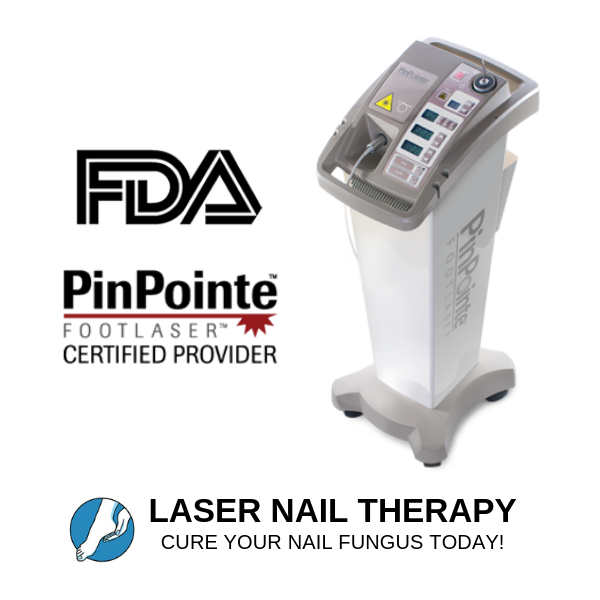
As you can see, tips for healthy feet without nail fungus can be easy to find. If you have caught nail fungus, it can be easily treated using the FDA-approved PinPointe laser. It typically only takes one treatment. Other treatments, like topical solutions and oral medication, are not as effective. Topical solutions have a very low cure rate. This is because the solution does not penetrate all the way through the nail bed. Oral medication is not recommended by our nail doctors. This is because it can lead to liver toxicity. You would need to have consistent blood tests throughout the course of taking the medication.
Our nail doctor in Boca Raton, FL, recommends this treatment for toenail fungus. The PinPointe Laser treatment has the highest cure rate on the market. It has no side effects and no recovery period. As a result, you can go about your daily activities right after the treatment. Also, there’s no pain.
If you have any signs of nail fungus, call us at (800) 672-0625 at our Boca Raton, FL location. Visit our website for more information on our doctors at one of our over 150 locations.
Fun Things to Do in Boca Raton
Boca Raton is a beautiful coastal city known for its beaches, outdoor activities, shopping, dining, and relaxed South Florida atmosphere. Whether you are visiting for a weekend or looking for something fun to do locally, Boca Raton offers plenty of ways to enjoy the area.
Spend the Day at the Beach
One of the best ways to experience Boca Raton is by spending time along the Atlantic coast. Red Reef Park is a popular destination for swimming, relaxing, picnicking, and snorkeling when conditions are suitable. The nearby South Beach Park is another great option for enjoying the sun, sand, and ocean views.
Explore Gumbo Limbo Nature Center
Nature lovers should visit Gumbo Limbo Nature Center. The center features coastal habitats, marine-life exhibits, a butterfly garden, and a boardwalk through a tropical hardwood hammock. It also focuses on sea turtle conservation. General admission is free, making it an excellent choice for families and visitors looking for an affordable activity.
Visit Mizner Park
For shopping, dining, entertainment, and culture, spend some time at Mizner Park. The area features restaurants, shops, public spaces, and the Boca Raton Museum of Art. The city’s event calendar also regularly features concerts and other activities at Mizner Park Amphitheater.
Enjoy a Family Day at Sugar Sand Park
Families can head to Sugar Sand Park for outdoor recreation and play. The park is also home to the Children’s Science Explorium, which offers hands-on science activities for children.
Discover Boca’s Outdoors
For even more outdoor fun, visit Burt Aaronson South County Regional Park or explore James A. Rutherford Park along the Intracoastal Waterway. With beautiful beaches, nature centers, cultural attractions, parks, and entertainment, Boca Raton makes it easy to find something fun for everyone.