A Complete Guide to Clearer, Healthier-Looking Nails
Toenail fungus can begin as a small white or yellow spot, then slowly change the appearance and texture of the entire nail. Because the condition often develops gradually, many people wait months or even years before seeking professional care. During that time, an affected nail may become thicker, darker, brittle, crumbly, distorted, or separated from the nail bed. It may become uncomfortable in closed-toe shoes, difficult to trim, or embarrassing when wearing sandals.
If you are searching for toenail fungus treatment in San Antonio, TX, you are far from alone. Fungal nail infection, medically known as onychomycosis, is common, especially in older adults and people who also experience athlete’s foot. San Antonio’s long warm season can also make it challenging to keep feet cool and dry, particularly for people who spend the day in work boots, athletic shoes, or other enclosed footwear.
The good news is that professional evaluation can help clarify what is affecting your nails and which treatment approach may be appropriate. At Laser Nail Therapy, patients in the San Antonio area can receive a focused nail evaluation and discuss medication-free laser care using the FDA-cleared PinPointe FootLaser. This guide explains what toenail fungus is, why it can be persistent, how treatment options differ, what laser treatment involves, and what you can do to support healthier-looking nail growth.
What Is Toenail Fungus?
Toenail fungus is an infection of the nails that may involve the nail plate, nail bed, or tissue beneath the nail. Dermatophytes, the same broad group of fungi associated with athlete’s foot, cause many fungal nail infections. Yeasts and non-dermatophyte molds can also cause fungal nail infections.
Fungi thrive in warm, damp environments. They may enter through a small separation between the nail and nail bed or through tiny breaks in the surrounding skin. Once established beneath or within the hard nail plate, the infection can be difficult to reach. Toenails also grow much slower than fingernails, which is one reason improvement takes time even after a treatment has addressed the infected area.
Onychomycosis is generally not an emergency, but it should not be dismissed as a cosmetic concern. A thick or distorted nail can press against footwear and create discomfort. It can become harder to trim safely. The infection can spread to additional nails or coexist with a fungal skin infection between the toes. People with diabetes, poor circulation, reduced sensation, or a weakened immune system should be especially cautious because breaks in the skin on the feet may carry greater risk.
Common Signs and Symptoms of Toenail Fungus
Toenail fungus does not look identical in everyone. One nail may show only a subtle change, while several nails may become visibly thickened or distorted. Common signs include:
- Yellow, white, brown, or cloudy discoloration
- Thickening of the nail plate
- Brittle, ragged, or crumbling nail edges
- Debris or buildup beneath the nail
- A nail that appears misshapen or curves differently
- Separation of the nail from the nail bed
- An unpleasant odor
- Tenderness or pressure in shoes
- Difficulty trimming the affected nail
- Similar changes spreading to other toenails
These signs can suggest a fungal infection, but appearance alone cannot confirm the diagnosis. Nail trauma, psoriasis, eczema, bacterial infection, age-related changes, and other conditions may resemble onychomycosis. A history of repeated pressure on the toenails, such as running, hiking, dancing, or wearing tight shoes, can also change how a nail grows.
That distinction matters. Treating a non-fungal nail problem as fungus may waste time and delay the care that is actually needed. During an evaluation, a healthcare professional may examine the nails and surrounding skin, review medical history and medications, and decide on the most appropriate treatment plan.
Why Toenail Fungus Can Be So Persistent
Many skin conditions improve quickly because medication can reach the affected area directly. Toenail fungus is different. The nail plate is dense, and fungal organisms may live beneath or within it. Some over-the-counter products do not penetrate deeply enough to reach all affected tissue. Even when treatment is working, the damaged portion of the nail does not instantly become normal. The damaged portion must grow forward before you can trim it away.
A big toenail may take approximately 12 to 18 months to grow out completely. Smaller toenails may grow quicker, but the process is still gradual. This means the earliest visible sign of progress is often a narrow band of clearer-looking nail near the cuticle. The older discolored nail remains farther toward the tip until it grows out and gets cut off.
Reinfection is another challenge. Fungus can remain on the skin, inside shoes, on nail tools, or in damp shared environments. If athlete’s foot is present and not addressed, the skin can serve as a continuing source of fungal exposure. Consistent foot hygiene and well-fitting footwear are therefore important parts of a complete plan.
Why San Antonio Residents May Notice More Foot Fungus
Toenail fungus can affect people in any climate, and living in San Antonio does not cause the infection. Still, local habits and environmental conditions can influence the warm, moist conditions in which fungi thrive.
San Antonio has a long hot season. Feet may sweat more inside closed-toe shoes, work boots, or athletic footwear. People who visit pools, gyms, locker rooms, spas, splash pads, and communal showers may also encounter damp shared surfaces. The risk is not limited to any single venue. It increases when bare feet contact contaminated surfaces or when footwear remains moist for long periods.
Several everyday patterns can contribute:
- Wearing the same shoes before they have dried completely
- Spending long work shifts in enclosed footwear
- Reusing damp socks after exercise
- Walking barefoot in shared wet areas
- Sharing clippers, nail files, shoes, or towels
- Receiving nail services where instruments are not properly sterilized
- Ignoring athlete’s foot, peeling skin, or cracks between the toes
- Wearing shoes that are too tight or too small
San Antonio residents who work in healthcare, construction, hospitality, food service, public safety, manufacturing, or other fields that require long hours on their feet may have less opportunity to change damp socks or rotate footwear. Athletes, runners, military personnel, and recreational walkers may also experience repeated nail trauma. These factors do not guarantee an infection, but they can create conditions that make prevention and recurrence control especially important.
Who Is More Likely to Develop a Fungal Nail Infection?
Anyone can develop toenail fungus, but risk tends to rise with age. Nails may grow slower over time, circulation may change, and years of exposure can add up. Other potential risk factors include:
- A current or past case of athlete’s foot
- Heavy foot perspiration
- Repeated nail injury or pressure on the nails
- Barefoot exposure in communal wet areas
- Living with someone who has a fungal nail or skin infection
- Diabetes
- Reduced circulation in the legs or feet
- A weakened immune system
- Certain skin conditions, including psoriasis
- Difficulty reaching, inspecting, washing, or drying the feet
If you have diabetes, neuropathy, circulation problems, immune suppression, or a history of foot ulcers, do not attempt aggressive home trimming, scraping, or chemical removal. Seek professional guidance promptly, especially if the skin is red, warm to touch, swollen, draining, cracked, or painful.
How Toenail Fungus Is Evaluated
A thoughtful evaluation begins with more than a quick glance at the nails. A provider may ask when the changes began, whether the infection is spreading, whether the nail has been injured, what treatments have already been tried, and whether there is itching or scaling on the surrounding skin.
The examination may include all toenails and the skin between the toes. This broader look is important because athlete’s foot frequently accompanies fungal toenails. A provider may also ask about health conditions, allergies, pregnancy, medications, prior reactions, and treatment preferences.
When the diagnosis is uncertain, or a clinician is considering prescription antifungal medication, they may collect a clipping, scraping, or other nail sample for laboratory testing. Testing can help distinguish fungus from nail trauma or inflammatory nail disease and may sometimes help identify the organism involved.
Professional evaluation is particularly important when only one nail has an unusual dark streak, the surrounding tissue is inflamed, there is bleeding without a clear injury, or the nail changes rapidly. Those patterns deserve timely medical assessment rather than self-treatment.
Comparing Toenail Fungus Treatment Options
There is no single best treatment for everyone. The number of affected nails, severity, nail thickness, health history, medications, pregnancy status, previous treatment, and personal preferences can all influence the best treatment plan. Treatment may involve one method or a combination of professional care, medication, nail thinning, and prevention measures.
Over-the-Counter Products and Home Remedies
Drugstores offer antifungal creams, liquids, sprays, and powders. These products can be useful for fungal infections of the skin, including athlete’s foot, but a product designed for skin may not adequately penetrate the nail plate. Some companies market cosmetic nail products to improve the nail’s appearance without treating the underlying infection.
People frequently discuss home remedies such as tea tree oil, vinegar soaks, and mentholated ointment online. Evidence supporting them is limited, and concentrated oils or harsh mixtures may irritate the skin. Soaking may also keep feet wet longer, which can be counterproductive if the feet are not dried thoroughly. A home remedy should not delay professional assessment when the condition is worsening, painful, or affecting someone at higher risk for foot complications.
Prescription Topical Antifungal Medication
Prescription topical medications are applied to the affected nails on a regular schedule, often daily and for many months. Examples include efinaconazole, tavaborole, and ciclopirox. A healthcare professional may consider these medications for mild or moderate infections, for people who cannot or prefer not to take oral medication, or as part of a combination plan.
Topical treatment requires consistent daily application. The nail should be prepared, and the medication applied exactly as directed. Trimming or professional thinning may improve access to the infected nails. Because toenails grow slowly, treatment commonly takes several months. Providers assess improvement by looking for healthy growth at the base of the nail.
Oral Antifungal Medication
Prescription oral antifungal medications, such as terbinafine or itraconazole, work throughout the body. For appropriate patients, oral medication may be more effective than topical treatment alone. It also has important medical considerations.
A prescriber will review liver health, other medical conditions, and possible interactions with medications or supplements. A prescribing clinician may recommend blood testing before or during treatment. Oral antifungals are not suitable for everyone, and pregnancy or breastfeeding may affect treatment choices. Only a qualified prescribing clinician can determine whether the potential benefits outweigh the risks for an individual patient.
Nail Trimming, Filing, or Debridement
Reducing excessive nail thickness may decrease pressure in shoes and make the infected nails easier to manage. Professional debridement removes or thins loose, damaged, or thickened nail material. It does not necessarily eliminate the infection by itself, but it may complement another treatment and reduce discomfort.
People with diabetes, poor circulation, neuropathy, or a history of slow-healing wounds should not aggressively cut or file thick nails at home. Small injuries may go unnoticed and become more serious.
Laser Treatment
Laser care offers a medication-free, noninvasive option for appropriate patients. Laser Nail Therapy uses the PinPointe FootLaser. The FDA device classification describes it as a laser for a temporary increase in clear nail in patients with onychomycosis. This precise wording is important. FDA clearance of a device is not a promise that every patient will achieve complete or permanent clearance, and individual outcomes vary.
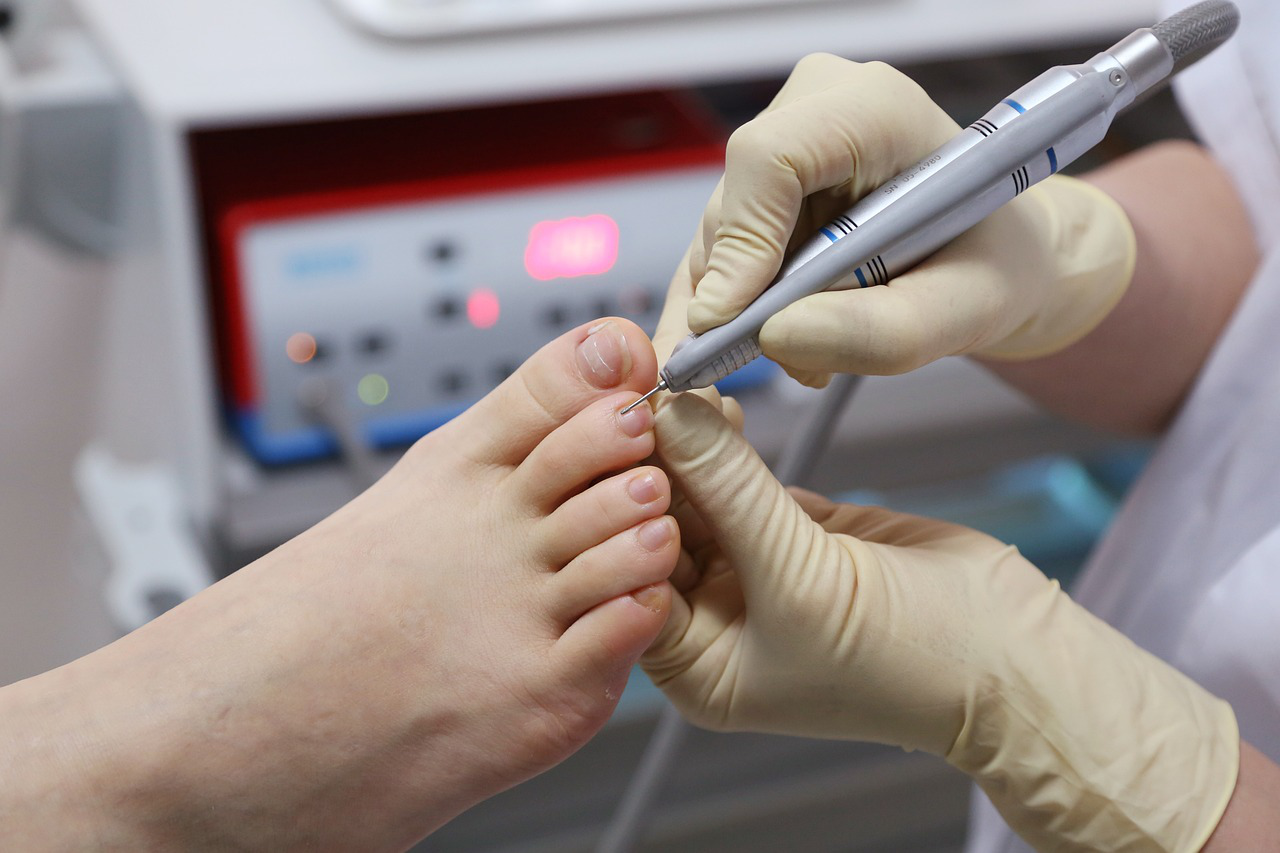
During the procedure, the provider directs laser energy across the affected nails. The nail and surrounding tissue remain intact, and there are no incisions. Patients may feel some warmth during treatment. Patients can generally return to their ordinary activities immediately after the visit, with no recovery period.
Laser treatment may appeal to people who want to avoid systemic medication, have concerns about drug interactions, have not been satisfied with other approaches, or prefer an in-office procedure. Whether it is appropriate depends on the individual evaluation. A provider may advise some patients to combine laser treatment with topical medication to help prevent reinfection.
How the PinPointe FootLaser Works
The PinPointe FootLaser delivers focused light energy through the nail. Unlike topical products that must penetrate the nail’s surface, the laser delivers focused energy across the nail plate and nail bed area without removing the nail. The goal is to support the appearance of clear nails as new growth replaces the damaged portion.
The treatment does not instantly erase discoloration or replace the old nail. That is biologically impossible because the visible damaged nail must grow out. A realistic plan focuses on the months ahead, watches for a clear band emerging from the base, and reduces opportunities for reinfection.
Patients should view laser treatment as one option within a broader nail-care strategy. Published research on laser and light-based approaches continues to evolve, and studies differ in device type, treatment schedules, severity, and definitions of success. Patients should be cautious of any provider or product promising guaranteed, immediate, or permanent results.
What to Expect at a Laser Nail Therapy Appointment
Although an appointment may vary according to the condition of the nails and the provider’s findings, the process is generally straightforward.
- Nail and Health Review: The doctor examines all nails per infected limb, looks for associated skin changes, and asks about symptoms, prior treatment, medications, and relevant health conditions. If the nail does not appear consistent with a straightforward fungal infection, the provider may recommend further evaluation or testing.
- Nail Preparation: Nails may need to be clean and free of polish, gel, acrylic, or other coatings so the surface can be evaluated and treated. Thick or loose material may require appropriate preparation. Patients should follow the clinic’s pre-appointment instructions rather than attempting aggressive thinning at home.
- Laser Application: The provider directs the laser across the nail according to the treatment protocol. Sensations vary, but many patients describe feeling warmth during treatment. If anything feels uncomfortable, the patient should tell the doctor immediately.
- Aftercare Guidance: After the procedure, patients typically receive instructions for hygiene, nail care, shoes, socks, and management of any fungal skin infection. The goal is to protect the new growth and reduce repeated exposure.
- Monitoring New Nail Growth: The treated infected nails will not look normal immediately. Progress is assessed as new nail grows from the base. Taking clear photographs in consistent lighting can make gradual changes easier to recognize. Follow-up recommendations depend on the individual plan and response.
Does Laser Toenail Fungus Treatment Hurt?
Laser treatment is noninvasive, meaning the skin is not cut and the nail is not surgically removed. Many patients tolerate the procedure well and return to normal activities after their appointment. Some people feel warmth or brief heat in a treated toe during the procedure. Sensitivity can vary with nail thickness, circulation, nerve function, and other individual factors.
Tell the doctor about neuropathy, reduced sensation, implanted devices, pregnancy, recent injuries, open wounds, or other health concerns before treatment. People who cannot reliably feel heat in their feet require particular caution and individualized medical guidance.
How Soon Will a Toenail Look Clearer?
The nail’s natural growth rate largely determines the timeline. Even after treatment, the existing yellow, thick, or damaged nail remains visible until new growth replaces it. A clearer-looking strip may first appear near the cuticle, then gradually extend toward the tip of the nail.
Complete growth of a big toenail commonly takes a year or longer, and sometimes up to 18 months. Growth rates vary with age, circulation, health, nutrition, injury history, and the specific toe. Smaller toenails may replace themselves faster.
This slow timeline is one of the most important expectations to understand before beginning any toenail fungus treatment. Photographs taken every four to six weeks can provide a more useful comparison than checking the nails daily.
Can Toenail Fungus Come Back?
Yes. Recurrence is possible after any treatment. Fungal organisms are common in the environment, and a person who has had onychomycosis may remain susceptible. Recurrence does not always mean that a prior treatment was performed incorrectly. It may reflect new exposure, untreated athlete’s foot, contaminated footwear, ongoing nail trauma, or a medical risk factor.
Prevention is therefore not an optional afterthought. It is part of the treatment strategy. Your doctor may recommend specific products or maintenance steps based on the condition of the nails and skin.
How to Reduce the Risk of Reinfection
Daily habits can help create an environment that is less favorable to fungus and protect new nail growth:
- Wash your feet regularly and dry carefully, especially between the toes.
- Change socks whenever they become damp, not only at the end of the day.
- Choose moisture-wicking socks when exercising or working in heat.
- Rotate shoes so each pair has time to dry completely.
- Use footwear in public showers, pool decks, and locker rooms.
- Keep nails trimmed straight across without cutting into the corners.
- Do not share nail clippers, nail files, socks, shoes, or towels.
- Clean personal nail tools after use and keep them separate from household tools.
- Address athlete’s foot promptly with appropriate guidance.
- Ask about methods for treating or disinfecting footwear.
- If nail salons cannot be avoided, choose a salon that sterilizes all instruments.
- Avoid covering a suspicious nail continuously with polish unless your doctor approves it.
People who perspire heavily may benefit from discussing antifungal powder, moisture management, and shoe rotation with a healthcare professional. If your job requires work boots, bringing a fresh pair of socks for the middle of the day can be a simple and practical step.
When to Seek Professional Care Promptly
Make an appointment if nail changes persist, spread, or do not improve with reasonable self-care. Seek timely medical attention if you notice:
- Increasing pain, redness, warmth, or swelling
- Drainage, pus, bleeding, or an open sore
- A rapidly changing nail
- A dark streak or pigmentation without a clear injury
- Fever or other signs of infection
- Difficulty walking or wearing shoes
- Nail changes in the setting of diabetes, neuropathy, poor circulation, or immune suppression
Do not attempt to cut away an attached nail, puncture the skin, or use caustic chemicals. If an ingrown nail, bacterial infection, or another condition is present, it may require different care.
Why Choose Laser Nail Therapy in San Antonio?
Laser Nail Therapy focuses on nail fungus care and offers medication-free laser treatment using the PinPointe FootLaser. For patients comparing providers, a focused clinic can offer several practical benefits:
- Evaluation centered on fungal nail concerns
- Use of FDA-cleared laser technology
- A noninvasive treatment experience
- No systemic antifungal medication as part of the laser procedure
- Guidance on realistic nail-growth timelines
- Education about foot hygiene, footwear, and reinfection prevention
- Multiple San Antonio-area clinic options
The right clinic should also set honest expectations. Toenails grow slowly, results vary, recurrence is possible, and not every abnormal nail is caused by fungus. A good consultation should leave you understanding the proposed procedure, alternatives, expected timeline, costs, aftercare, and when additional medical evaluation may be needed.
Laser Nail Therapy San Antonio Locations
Laser Nail Therapy currently offers four San Antonio clinic options. Call the listed office to confirm availability and schedule your visit.
8601 Village Dr., Suite 210
San Antonio, TX 78217
Phone: (210) 293-8934
8530 Village Dr.
San Antonio, TX 78217
Phone: (210) 544-5566
5126 W Loop 1604 N, #110
San Antonio, TX 78251
Phone: (210) 390-0154
102 Palo Alto Rd., #133
San Antonio, TX 78211
Phone: (210) 544-5566
These locations provide options for patients traveling from different parts of San Antonio and nearby communities. Appointment availability and clinic details may change, so calling ahead is highly recommended. Our offices are all by appointment only.
Questions to Ask Before Scheduling Treatment
An informed patient is better prepared to choose care confidently. Consider asking:
- Does my nail appearance seem consistent with fungus, or could it be something else?
- Do I need diagnostic testing or evaluation by another clinician?
- Which device will be used, and what is its FDA-cleared indication?
- How should I prepare for the appointment?
- Will I feel pain during the procedure?
- What results are realistic for nails like mine?
- How long will it take to see full results?
- How often are follow-up appointments recommended?
- What does the quoted cost include?
- How should I care for my shoes, socks, and nail tools?
- How should athlete’s foot or another skin problem be managed?
- Which signs should prompt me to call the clinic or seek medical care?
Avoid relying only on dramatic before-and-after images. Ask when each photograph was taken, whether the patient received combination care, and whether the image shows new nail growth over an appropriate time period.
Take the Next Step Toward Clearer-Looking Toenails
Toenail fungus is common, persistent, and often frustrating, but hiding your feet or cycling through random remedies is not your only option. A professional evaluation can help determine whether your nail changes are consistent with onychomycosis and whether laser treatment fits your needs and preferences.
Laser Nail Therapy offers San Antonio patients a medication-free, noninvasive option with the PinPointe FootLaser. The process is designed around an in-office treatment and the gradual growth of clear nails. Results are not immediate, and no treatment can guarantee that fungus will never return, but a realistic treatment plan plus consistent prevention habits can give new nail growth its best opportunity.
To learn more, call the most convenient San Antonio location listed above to schedule a consultation with one of our doctors at Laser Nail Therapy. Bring a list of your medications and health conditions, remove nail polish as instructed, and be ready to discuss any treatments you have already tried.
Clear nails begin with an accurate evaluation, realistic expectations, and a plan you can follow.