Understanding Toenail Fungus, Treatment Challenges, and the Science Behind PinPointe Laser Technology
Toenail fungus is one of the most common nail disorders affecting adults worldwide. The medical name for this is onychomycosis, and around millions of people experience fungal nail infections at some point in their lives. This infection presents symptoms such as nail discoloration, thickening, brittleness, crumbling edges, distortion of nail shape, and, in some cases, discomfort while walking or wearing shoes. It can be difficult to get rid of and often persists for years without appropriate treatment, even though it may not be considered the most detrimental medical issue.
Over the past several decades, available treatment options for toenail fungus have evolved significantly. Traditional methods such as topical antifungal products and oral medications remain widely used, but advancements in medical technology have introduced laser therapy as a more professional approach. Among the various laser systems developed for fungal nail treatment, the PinPointe FootLaser has become one of the most recognized technologies due to its design and clinical application.
Understanding Toenail Fungus
Toenail fungus occurs when microscopic fungi invade the nail. These organisms thrive in warm, dark, and moist environments, making shoes, socks, locker rooms, pools, and communal showers ideal places for fungal growth and transmission. Several different types of fungi can infect toenails, including dermatophytes, yeasts, and non-dermatophyte molds.
The most common culprit is a dermatophyte known as Trichophyton rubrum. Once the fungus enters through small cracks in the nail or surrounding skin, it can begin to colonize beneath the nail plate and spread throughout the nail bed.
Common signs of fungal nail infection include:
- Yellow, white, or brown discoloration
- Thickened nails
- Brittle or crumbly texture
- Distorted nail shape
- Debris is accumulating beneath the nail
- Separation of the nail from the nail bed
- Foul odor in some cases
The condition typically develops gradually, which means many people may not notice it until significant nail damage has already occurred.
Why Toenail Fungus Is Difficult to Treat
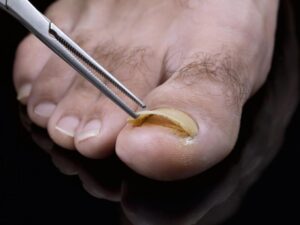
One of the primary challenges in treating onychomycosis is the structure of the toenail itself. The nail plate is composed of dense keratin, which serves as a protective barrier. While this structure protects the nail, it can also limit the ability of treatments to penetrate deeply enough to reach the fungal organisms living beneath the nail.
In addition, fungi often establish themselves in the nail bed and surrounding tissues. Even when symptoms appear to improve, residual fungal cells can remain hidden and potentially lead to recurrence.
Several factors can increase the risk of developing fungal nail infections:
- Advancing age
- Diabetes
- Reduced circulation
- Excessive sweating
- Frequent use of communal showers
- Wearing tight-fitting footwear
- Nail injuries
- Athlete’s foot infections
- Weakened immune systems
Because of these contributing factors, treatment often requires patience and long-term nail monitoring.
Traditional Treatment Options
Historically, treatment approaches for toenail fungus have fallen into two primary categories: topical medications and oral antifungal medications.
Topical Treatments
Topical antifungal products are applied directly to the surface of the nail. These products may come in the form of lacquers, creams, solutions, or prescription medications.
Topical treatments are generally most effective for mild infections that involve only a small portion of the nail. However, because the nail plate acts as a barrier, achieving adequate penetration can be challenging.
Treatment typically requires:
- Daily or weekly application
- Several months of consistent use
- Regular nail maintenance
Even with diligent use, outcomes can vary depending on the severity and location of the infection.

Oral Antifungal Medications
Oral medications are designed to reach the infection through the bloodstream and can often penetrate the nail more effectively than topical treatments.
Common oral antifungal medications may be prescribed for several months, allowing the medication to accumulate in the nail as it grows.
While oral therapies can be effective, healthcare providers often evaluate a patient’s medical history before prescribing them because certain medications may interact with other drugs or require monitoring of liver function.
Mechanical Debridement
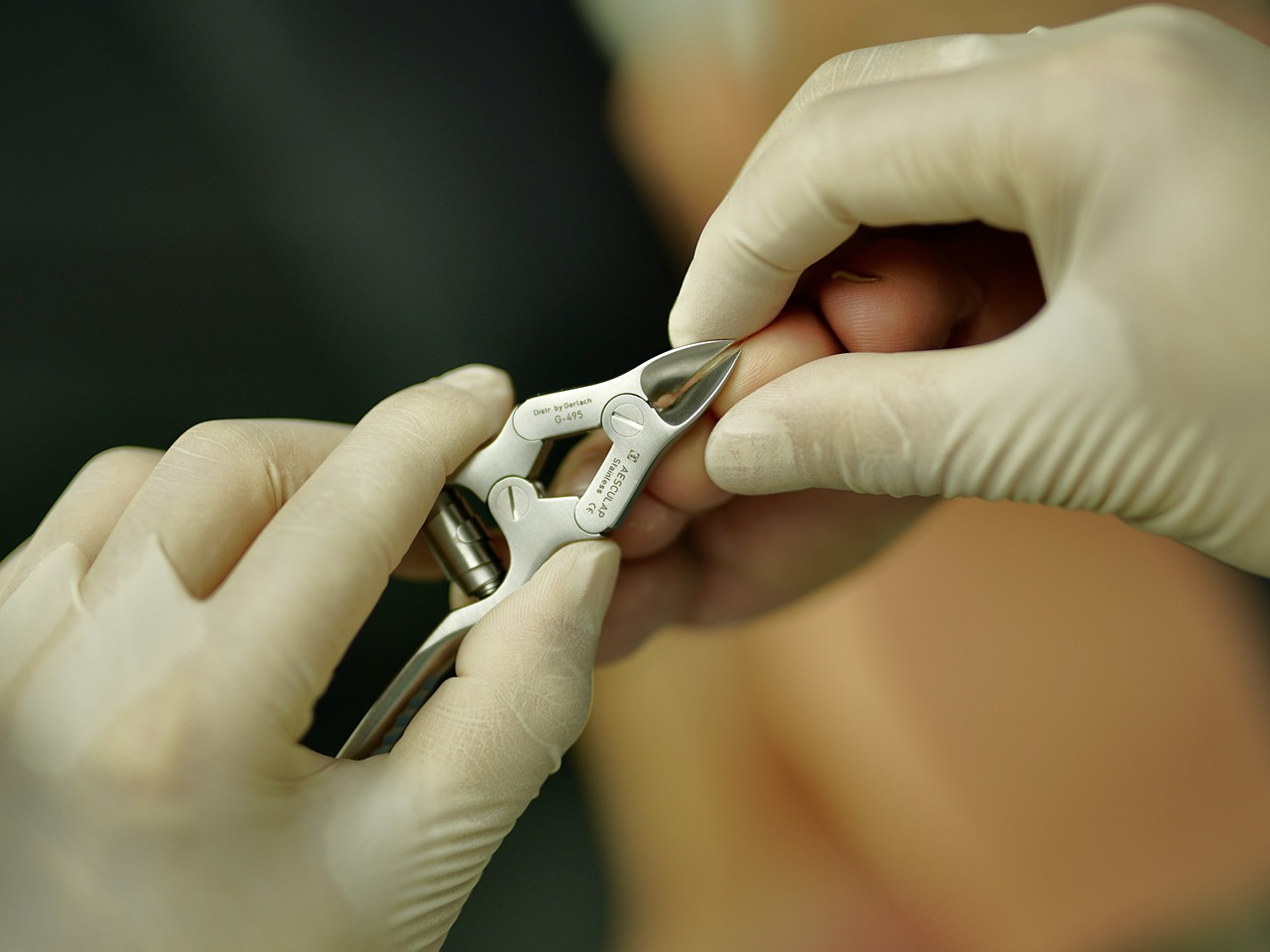
In some cases, healthcare professionals may trim, thin, or debride thickened fungal nails. This process helps reduce nail thickness and may improve the effectiveness of other treatments. Debridement does not eliminate the fungal infection itself but can improve comfort and nail appearance while supporting other treatment methods.
The Emergence of Laser Therapy
As interest in non-pharmaceutical treatment options increased, researchers began exploring whether laser energy could be used to target fungal infections within the nail. Laser therapy for toenail fungus is based on the principle of selective photothermolysis. This process involves directing specific wavelengths of light into tissue, where the energy is absorbed and converted into heat.
The goal is to create temperatures that may damage or inhibit fungal organisms while minimizing injury to surrounding healthy tissues.
Several different laser systems have been introduced for fungal nail treatment over the years, including:
- Nd: YAG lasers
- Diode lasers
- Dual-wavelength systems
- Broad-beam laser platforms
Among these technologies, the PinPointe FootLaser became notable as one of the first devices specifically developed and cleared for fungal nail treatment.
The Science Behind the Technology
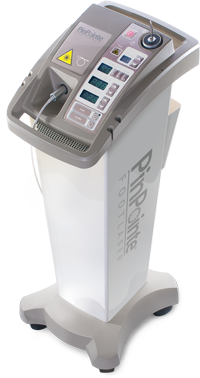
The PinPointe FootLaser is a specialized Nd: YAG laser system designed for the treatment of fungal nail infections. Unlike some cosmetic laser platforms that have been adapted for multiple purposes, the PinPointe system was engineered specifically for use on fungal nails. The device operates by delivering laser energy through the nail plate and into the underlying tissues where fungal organisms reside.
One of the defining characteristics of the system is its small beam diameter and controlled pulse delivery technology.
A typical laser treatment session begins with an examination of the affected nails.
The healthcare provider may assess:
- Number of infected nails
- Severity of involvement
- Nail thickness
- Presence of nail separation
- Overall foot health
Before treatment, nails may be cleaned and trimmed to improve laser access.
During the procedure, the practitioner systematically guides the laser across each affected nail. The treatment pattern is designed to expose the entire nail and surrounding structures to the laser energy.
Patients commonly describe the sensation as:
- Mild warmth
- Brief heating
- Temporary tingling
The procedure generally does not require anesthesia.
Treatment times vary depending on the number of nails involved, but many sessions can be completed within approximately 30 minutes.
Following the procedure, patients are usually able to resume normal daily activities immediately.
What Is the PinPointe FootLaser?
The PinPointe FootLaser utilizes a 1064-nanometer Nd: YAG wavelength. This wavelength has the ability to penetrate the nail plate and reach deeper structures beneath the nail surface.
The laser employs a highly focused beam with a spot size of approximately 1.5 millimeters. This allows practitioners to systematically treat infected areas while maintaining precision.
Rather than delivering a continuous stream of energy, the system uses pulse-stacking technology. In this approach, the laser emits multiple short bursts of energy in rapid succession.
These pulses generate heat within the targeted area while allowing brief cooling intervals between pulses.
This design serves several purposes:
- Concentrated energy delivery
- Reduced heat accumulation on the surrounding skin
- Improved treatment precision
- Greater patient comfort
The laser energy passes through the nail plate and raises temperatures within the treatment zone. Laboratory research has suggested that elevated temperatures may impair fungal viability and reduce fungal activity.
Why Precision Matters
The structure of the foot contains numerous sensitive tissues, including nerves, blood vessels, tendons, and skin. A laser system designed for fungal nail treatment must deliver sufficient energy to reach the infected tissues while avoiding unnecessary heating of healthy structures. The small spot size utilized by the PinPointe system allows practitioners to move systematically across the nail in a grid-like pattern. This controlled approach can help ensure consistent treatment coverage.
Because fungal infections may not be distributed evenly throughout the nail, comprehensive coverage is important during treatment sessions. Precision also contributes to patient comfort. Larger treatment beams may expose greater areas of surrounding tissue to heat, whereas focused treatment allows energy to be concentrated more specifically where it is needed.
The Treatment Process
What Happens After Treatment?
An important concept in fungal nail treatment is that eliminating fungal organisms and restoring the appearance of the nail are not the same process. Even if fungal activity is reduced during treatment, the damaged nail plate remains unchanged immediately afterward. The visible improvement happens slowly as new nail growth replaces the older damaged nail, and is regularly clipped off. Toenails grow relatively slowly, often at a rate of only one to two millimeters per month.
Because of this slow growth rate, complete replacement of a toenail may require:
- Six months
- Nine months
- Twelve months
- Sometimes longer for larger nails
The new nail emerging from the cuticle region reflects the health of the nail-producing tissue underneath.
As healthy nail growth advances, previously damaged portions are progressively trimmed away.
Several variables can affect how quickly and effectively nails improve following treatment. Early-stage fungal infections generally involve less nail damage than advanced cases. When a large percentage of the nail has been affected, more time may be required for healthy nail growth to become visible.
Also, individuals naturally vary in how fast their nails grow out. There are factors influencing growth, including age, circulation, nutrition, overall health, and certain medical conditions

Factors That Influence Results
Foot Hygiene
Maintaining a clean and dry environment for the feet may reduce opportunities for fungal survival and reinfection. Your footwear habits become very important. Repeated exposure to moisture and contaminated footwear can contribute to whether or not your toenail fungus infection comes back.
Therefore, proper shoe hygiene is often recommended as part of long-term management. Toenail fungus can recur even after successful treatment because fungal spores are commonly found in the environment. Preventive measures may help reduce the likelihood of reinfection.
Additionally, fungi thrive in moist environments. Thoroughly drying feet after bathing, swimming, or exercise can help reduce fungal growth. It is important to pay special attention to drying between the toes. Shoes that allow airflow may reduce moisture accumulation inside the shoe. So, rotating footwear between uses can also allow shoes to dry completely.
Additional Foot Hygiene Precautions
An extra step you can take to limit your risks of reinfection is to change socks regularly. Fresh socks help minimize moisture and reduce fungal growth opportunities. To elaborate, moisture-wicking fabrics are often preferred for individuals with excessive sweating.
Not to mention, protect your feet in public areas. Locker rooms, pool decks, and communal showers are common sources of fungal exposure. Protective footwear, such as sandals or shower shoes, can reduce direct contact with contaminated surfaces.
Nail hygiene is not something you can do once and expect it to stay that way. You need to make sure you are maintaining this routine daily. Keeping toenails trimmed and clean may help prevent fungal organisms from establishing themselves beneath the nail.
On top of this, you can disinfect shoes because fungal spores can survive in footwear. Regular shoe sanitation may be beneficial for long-term prevention.
The Future of Fungal Nail Treatment
Research into fungal nail infections continues to evolve. Scientists are investigating new laser technologies, advanced topical delivery systems, photodynamic therapies, and combination treatment approaches.
Laser treatment remains an area of ongoing interest because it provides a non-drug-based method of targeting fungal infections.
As technology advances, future systems may offer improvements in treatment efficiency, patient comfort, and clinical outcomes.

Conclusion
Toenail fungus is a common but often persistent condition that can affect nail appearance, comfort, and overall foot health. The infection develops when fungal organisms invade the nail unit and establish themselves beneath the nail plate, making treatment challenging due to the nail’s protective structure.
Traditional solutions such as topical medications, oral antifungals, and nail debridement continue to play important roles in management. However, laser technology has emerged as another option for addressing fungal nail infections.
The PinPointe FootLaser represents a specialized laser system developed specifically for fungal nail treatment. Through the use of a focused Nd: YAG wavelength, pulse-stacking technology, and precise energy delivery, the system is designed to target fungal organisms beneath the nail while minimizing effects on surrounding tissue.
Although improvement requires patience due to the slow growth of toenails, understanding the treatment process, maintaining proper foot hygiene, and taking preventive measures can all contribute to healthier nails over time. As research continues, advancements in fungal nail treatment technologies may further improve the management of this widespread condition.