Post-Treatment Care Is Essential for Long-Term Nail Health
Post-Treatment Care Is Essential for Long-Term Nail Health
Toenail fungus can persist for years which is why many people desire laser treatment to get rid of the stubborn issue. While laser technology targets fungal organisms beneath the nail, the period after treatment is just as important as the procedure itself.
Healthy nail growth does not happen instantly, this process takes a long period of time. Toenails grow slowly, and it may take several months to over a year for a damaged nail to fully grow out and be replaced by a healthier nail. During this time, the nail is still vulnerable to reinfection from fungal spores that may still exist in shoes, socks, floors, and other daily environments.
Post-treatment care revolves around reducing contact with fungal organisms while providing conditions that support healthy nail growth. Dedicated hygiene, footwear management, moisture control, and routine foot care all play a major role in maintaining clear nails over the long term.
Understanding how fungal organisms survive and spread can help explain why a consistent post-treatment routine is so important.
Understanding Toenail Fungus and Reinfection
Understanding Toenail Fungus and Reinfection
Toenail fungus, medically known as onychomycosis, is commonly caused by dermatophytes, a group of fungi that feed on keratin. Keratin is the protein that forms the structure of nails, skin, and hair.
Fungal infections often develop gradually. The fungus may begin on the skin as an athlete’s foot before spreading to the nail. Once it enters the nail structure, it can become protected beneath the nail plate, making treatment more challenging.
One of the biggest challenges with toenail fungus is that fungal spores can survive in the environment long after symptoms improve.

Fungal Spores Are Difficult to Eliminate
Fungal Spores Are Difficult to Eliminate
Fungal spores are microscopic reproductive particles that allow fungi to spread and survive. These spores can remain dormant for extended periods under specific conditions.
Common places where fungal spores may survive:
-
Shoes
-
Socks
-
Bathroom floors
-
Carpets
-
Gym locker rooms
-
Pool decks
-
Shower areas
-
Exercise equipment surfaces
Because fungal spores are not able to be seen with the naked eye, many people unknowingly expose themselves to environments that may contribute to reinfection.
The Importance of Preventing Reinfection
The Importance of Preventing Reinfection
After treatment, newly growing nail tissue flourishes from an environment that prevents fungal growth. Repeated exposure to contaminated surfaces may increase the risk of the fungus returning.
Preventive measures are designed to reduce fungal exposure and create conditions that support healthy nail growth. This healthy nail growth paves way for clear nails. While no routine can eliminate every risk, consistent habits can significantly improve overall foot hygiene.

Managing Footwear After Treatment
Managing Footwear After Treatment
Shoes often receive less attention than the nails themselves, yet they can play a major role in maintaining foot health.
Feet naturally excrete swear any time of the day. Combined with body heat and limited airflow, shoes can create an environment that fungi find favorable.
For this reason, footwear management is one of the most important steps of post-treatment care.
Clean Shoes Regularly
Clean Shoes Regularly
The interior of shoes very commonly accumulate sweat, skin cells, bacteria, and fungal spores over time.
Regular cleaning helps reduce the buildup of microorganisms and improves overall shoe hygiene.
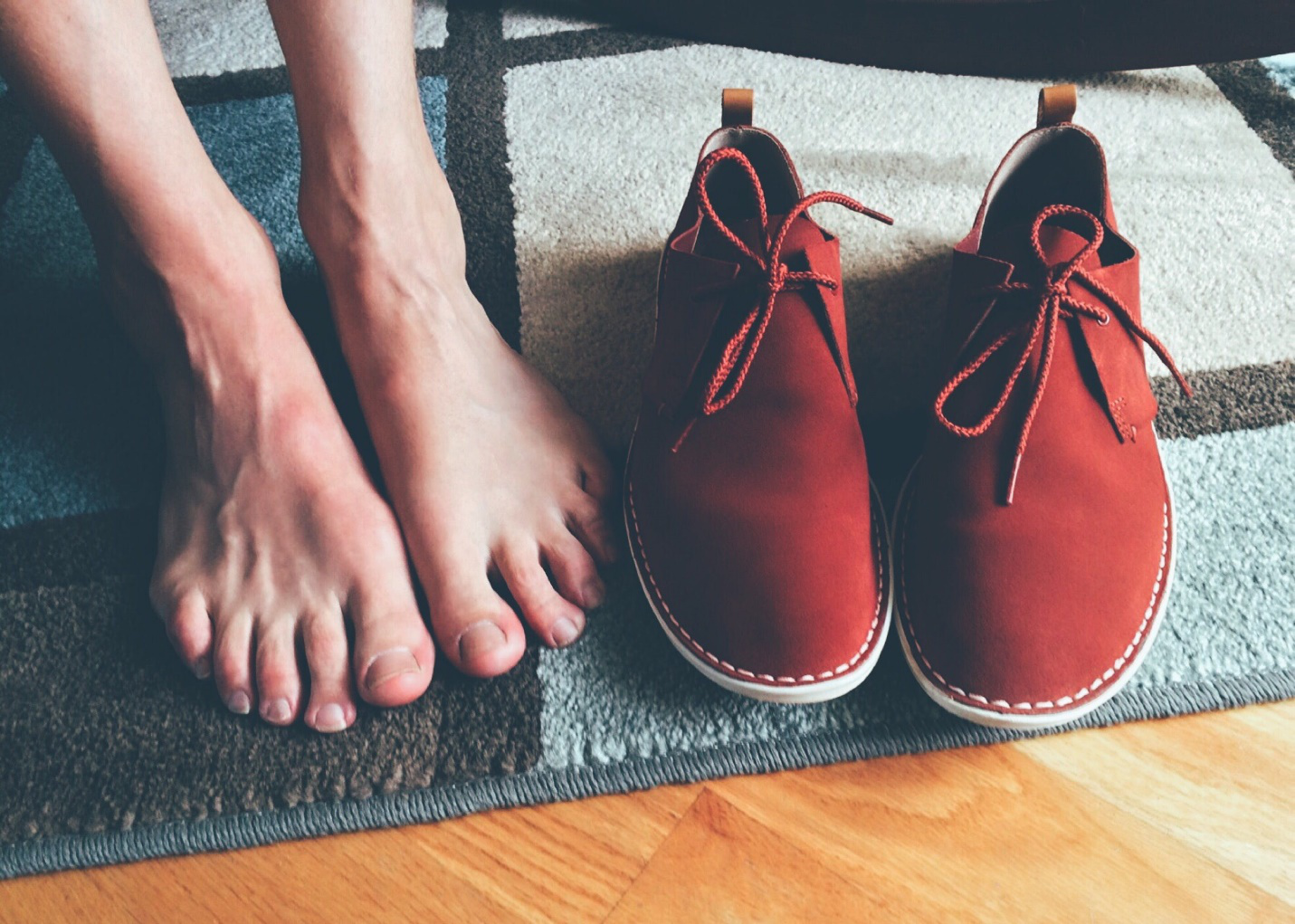
Managing Footwear After Treatment
Shoes often receive less attention than the nails themselves, yet they can play a major role in maintaining foot health.
Feet naturally excrete swear any time of the day. Combined with body heat and limited airflow, shoes can create an environment that fungi find favorable.
For this reason, footwear management is one of the most important steps of post-treatment care.
Clean Shoes Regularly
Clean Shoes Regularly
The interior of shoes very commonly accumulate sweat, skin cells, bacteria, and fungal spores over time.
Regular cleaning helps reduce the buildup of microorganisms and improves overall shoe hygiene.
Depending on the shoe type, cleaning strategies may include:
-
Wiping interior surfaces
-
Washing machine-proof footwear
-
Using specialized shoe-cleaning products
-
Replacing heavily worn footwear
Shoes that are old, damaged, or difficult to sanitize should be replaced with a new pair, if they continue to retain odors or moisture.
Consider Antifungal Shoe Sprays
Consider Antifungal Shoe Sprays
Many individuals choose to incorporate antifungal shoe sprays into their footwear routine.
When using a shoe spray:
-
Remove any removable insoles.
-
Apply the spray completely and thoroughly in the interior of the shoe.
-
Treat both sides of the insoles.
-
Allow the footwear to dry for hours before wearing.
Regular use of the antifungal spray may help reduce the presence of living fungal organisms inside footwear.
Pay Attention to Insoles
Pay Attention to Insoles
Insoles often absorb the greatest amount of moisture because they remain in direct contact with the feet.
Separating the insoles from the shoes can improve ventilation and help moisture evaporate more quickly.
Many people choose to replace insoles periodically as part of their foot hygiene routine.
The Importance of Shoe Rotation
The Importance of Shoe Rotation
Wearing the same pair of shoes every day may not provide enough time for moisture to evaporate completely.
Moisture is one of the primary factors that supports fungal growth. Even if shoes appear dry on the surface, dampness may remain deep within the materials.
Allow Shoes Time to Dry
Allow Shoes Time to Dry
A simple way to reduce moisture accumulation is to rotate footwear regularly.
General recommendations include:
-
Alternate between two or more pairs of shoes.
-
Allow shoes to rest between uses.
-
Store shoes in well-ventilated areas.
-
Avoid leaving damp shoes in enclosed spaces.
Providing adequate drying time helps create a less favorable environment for fungal growth.
Improve Air Circulation
Proper airflow can further assist with drying.
Helpful practices include:
-
Loosening shoelaces after use
-
Opening shoe tongues fully
-
Removing insoles
-
Using shoe racks instead of closed containers
-
Keeping shoes in areas with good ventilation
Dry environments are generally less supportive of fungal survival than warm, damp spaces.

Choosing the Right Socks
Choosing the Right Socks
Socks serve as the first barrier between the foot and the shoe. Their ability to manage moisture can significantly affect the overall foot environment.
Why Moisture Control Matters
Why Moisture Control Matters
Excess moisture softens the skin and creates conditions that may support fungal growth.
Because feet can sweat throughout the day, selecting appropriate sock materials can make a meaningful difference.
Moisture-Wicking Materials
Moisture-Wicking Materials
Many foot care specialists recommend materials designed to move moisture away from the skin.
Examples include:
-
Polyester blends
-
Nylon blends
-
Technical athletic fabrics
-
Merino wool
These materials often dry more quickly than traditional cotton and may help keep feet more comfortable during prolonged wear.
Understanding Cotton Socks
Understanding Cotton Socks
Cotton remains a popular sock material because it is soft and breathable. However, cotton also absorbs moisture readily.
When cotton becomes damp, it may stay wet longer than some moisture-wicking alternatives.
For individuals concerned about excess foot moisture, performance fabrics may offer advantages in moisture management.
Change Socks When Necessary
Change Socks When Necessary
People who sweat heavily or spend long hours on their feet may benefit from changing socks during the day.
Fresh, dry socks can help reduce prolonged moisture exposure and improve overall foot comfort.
Proper Sock Laundering Practices
Proper Sock Laundering Practices
Laundry habits can influence foot hygiene as well.
Because fungal spores may be present on socks, proper cleaning practices are important.
Wash Socks Thoroughly
Wash Socks Thoroughly
Regular washing helps remove:
-
Sweat
-
Skin debris
-
Dirt
-
Microorganisms
Following manufacturer instructions while using appropriate wash temperatures can support effective cleaning.
Dry Completely Before Use
Dry Completely Before Use
Damp socks should never be worn.
Before placing socks back into circulation, ensure they are completely dry.
Any trapped moisture may contribute to an environment that encourages fungal growth.
Separate Dirty Footwear Items
Separate Dirty Footwear Items
Some individuals choose to keep used socks separate from clean clothing until laundering. This practice may help reduce cross-contamination between items.
Keeping Feet Clean and Dry
Keeping Feet Clean and Dry
Daily foot hygiene remains one of the most effective ways to support nail health after treatment.
Wash Feet Daily
Wash Feet Daily
A simple daily cleansing routine helps remove sweat, dirt, and microorganisms from the skin.
When washing feet:
-
Use mild soap and water.
-
Clean between all toes.
-
Rinse thoroughly.
-
Dry completely afterward.
Consistency is often more important than complexity.
Dry Between the Toes
Dry Between the Toes
The spaces between the toes frequently trap moisture.
These areas are also common locations for athlete’s feet, which can contribute to nail infections.
After bathing, swimming, or exercising:
-
Pat feet dry carefully with a designated towel.
-
Pay special attention to toe spaces.
-
Avoid leaving moisture trapped between toes.
Some individuals use a cool hair dryer setting to assist with drying hard-to-reach areas.
Managing Excessive Sweating
Managing Excessive Sweating
People who experience excessive foot sweating may face an increased risk of fungal problems.
Identify Moisture Triggers
Identify Moisture Triggers
Common contributors to foot sweating include:
-
Hot weather
-
Physical activity
-
Non-breathable footwear
-
Thick socks
-
Stress
Understanding personal triggers can help guide preventive measures.
Consider Foot Powders
Consider Foot Powders
Moisture-absorbing powders may help reduce dampness during the day.
These products are often used to:
-
Absorb sweat
-
Improve comfort
-
Reduce friction
-
Promote a drier foot environment
Maintaining dryness is one of the primary goals of post-treatment care.
Protecting Feet in Public Areas
Protecting Feet in Public Areas
Public spaces can expose feet to fungal organisms left behind by other individuals.
Because fungi thrive in warm and moist environments, communal facilities often present increased exposure risks.
Areas Commonly Associated With Fungal Exposure
Areas Commonly Associated With Fungal Exposure
Examples include:
-
Locker rooms
-
Public showers
-
Swimming pool decks
-
Spa facilities
-
Gym changing areas
-
Shared bathroom floors
Walking barefoot in these locations may increase contact with fungal spores.
Wear Protective Footwear
Protective footwear creates a barrier between the skin and potentially contaminated surfaces.
Common options include:
-
Flip-flops
-
Waterproof sandals
-
Shower shoes
-
Pool slides
Using protective footwear consistently in communal areas is a simple but effective preventive measure.
Nail Care During Recovery
Healthy nail growth requires patience.
Even after successful treatment, the damaged portion of the nail must gradually grow out before a clearer nail appearance becomes visible.
Trim Nails Properly
Trim Nails Properly
Keeping nails properly trimmed can help maintain cleanliness and reduce pressure inside shoes.
General recommendations include:
-
Trim nails straight across.
-
Avoid excessively short cuts.
-
Use clean nail clippers.
-
Smooth sharp edges when necessary.
Proper nail maintenance supports overall foot health.
Monitor Nail Growth
Monitor Nail Growth
Toenails grow slowly compared to fingernails.
Depending on the individual, complete nail replacement may take:
-
Several months
-
Up to a year or longer
Gradual improvement is often expected as healthier nail tissue grows from the base of the nail.
Maintaining a Healthy Home Environment
Maintaining a Healthy Home Environment
The home environment can also influence long-term foot health.
Clean Bathroom Floors Regularly
Clean Bathroom Floors Regularly
Bathrooms very commonly contain moisture, making them potential environments for fungal organisms.
Routine cleaning can help reduce microbial buildup on surfaces.
Wash Bath Mats Frequently
Wash Bath Mats Frequently
Bath mats absorb moisture and may retain skin particles.
Regular washing helps maintain cleanliness and reduces the accumulation of microorganisms.
Avoid Sharing Personal Items
Avoid Sharing Personal Items
Items that come into direct contact with feet should generally remain personal.
Examples include:
-
Nail clippers
-
Foot files
-
Socks
-
Shoes
-
Towels
Sharing these items may increase the potential for transferring microorganisms between individuals.
Supporting Long-Term Nail Health
Supporting Long-Term Nail Health
Maintaining healthy nails involves more than preventing fungus alone.
Overall foot health contributes to stronger nails and healthier skin.
Helpful habits include:
-
Wearing properly fitting shoes
-
Managing moisture levels
-
Practicing good hygiene
-
Maintaining regular nail care
-
Replacing worn footwear when necessary
These measures work together to create conditions that support healthy nail growth.
Daily Post-Laser Care Checklist
Daily Post-Laser Care Checklist
For convenience, many people benefit from following a simple routine:
Daily
Wash feet thoroughly.
Dry carefully between all toes.
Wear clean socks.
Consider switching to breathable socks.
Inspect feet for excessive moisture.
After Wearing Shoes
After Wearing Shoes
Allow shoes to air out.
Remove insoles when possible.
Store footwear in a ventilated location.
Weekly
Weekly
Clean footwear as appropriate.
Inspect shoes for excessive wear.
Wash bath mats and foot-care items regularly.
In Public Areas
In Public Areas
Wear protective sandals or shower shoes.
Avoid walking barefoot in communal spaces.
Final Thoughts
Final Thoughts
Laser treatment can be an important step toward addressing toenail fungus, but maintaining healthy nails requires constant attention and care to daily habits. Fungal organisms thrive in warm, moist environments, making footwear hygiene, moisture control, and proper foot care essential parts of long-term success.
By keeping feet clean and dry, rotating shoes, wearing moisture-managing socks, maintaining good nail hygiene, and protecting feet in public environments, individuals can create conditions that support healthy nail growth and reduce opportunities for fungal organisms to return. Consistent post-treatment care helps protect the progress achieved with laser treatment and supports healthier-looking nails for the future.