Toenail Fungus Management in Summer
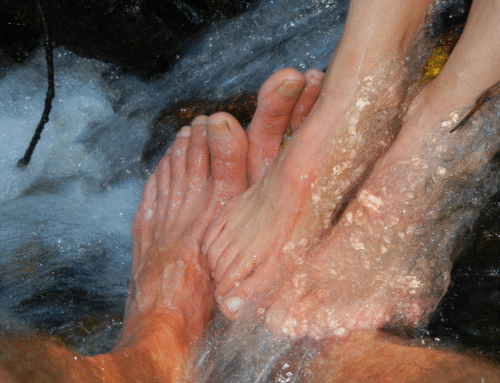
You usually wear sandals, go to swimming pools, embark on beach vacations, and engage in outdoor activities during the summer. Toenail fungus can make some individuals feel self-conscious about the appearance of their nails, while others feel comfortable wearing open-toe shoes during warm weather. When feet are exposed more frequently, common symptoms such as discoloration, thickening, brittleness, and nail damage often become more noticeable.
Toenail fungus affects millions of people and can persist for years without proper treatment. Because the condition develops beneath the nail, it can be difficult to eliminate using basic home remedies alone. Not surprisingly, effectively treating toenail fungus becomes more of an important priority in the summertime.
Understanding how seasonal factors affect fungal nail infections can help people make informed decisions about treatment and prevention. Summer presents unique obstacles and opportunities for improving nail health and reducing the risk of worsening symptoms.
Why Toenail Fungus Can Worsen During Summer
Warm temperatures and increased humidity create conditions that fungal organisms prefer. During the summer months, feet are often exposed to moisture from swimming pools, public showers, locker rooms, and sweaty footwear. These environments can contribute to fungal growth and increase the risk of exposure.
Many people also spend more time walking barefoot around pool decks, gyms, and changing rooms. While convenient, these habits may increase contact with surfaces where fungal organisms are commonly found. Repeated exposure can make it easier for fungal infections to develop or persist.
Even when an existing infection does not significantly worsen, symptoms often become more noticeable during summer. Increased visibility of the feet draws attention to nail discoloration, thickening, and damage, leading many individuals to seek toenail fungus treatment during this time of year.

Understanding Toenail Fungus
Toenail fungus occurs when fungal organisms enter the nail through small cracks or openings in the nail or surrounding skin. Once established beneath the nail, the infection can be difficult to eliminate because the fungus is protected by the nail itself.
Common symptoms include yellow, white, or brown discoloration, thickened nails, brittle edges, debris beneath the nail, and changes in nail shape. In some cases, the nail may become separated from the nail bed as the infection progresses. These symptoms can affect a single nail or multiple nails at the same time.
Because toenail fungus can develop at a slow pace, many people do not seek treatment until the condition becomes dramatically intense. Seeking professional assistance can help address fungal infections before they become more complex and difficult to manage.
Why Summer Is the Perfect Time to Start Treatment
Summer often motivates people to pay closer attention to their foot health. Open-toe shoes, vacations, and outdoor activities make nail appearance more visible, encouraging many individuals to explore treatment options that they may have delayed during colder months.
Starting treatment during summer allows patients to address the infection sooner rather than waiting for another season. Since healthy toenails grow slowly, beginning treatment early can help support the process of healthier nail growth over time. Delaying treatment may allow the infection to persist and continue affecting the appearance of the nail.
Summer also encourages healthier habits such as improved foot hygiene, wearing breathable footwear, and avoiding prolonged moisture exposure. These practices can complement treatment efforts and support overall nail health.
What Is Laser Nail Therapy?
Laser nail therapy is a treatment designed to target fungal organisms beneath the nail using concentrated laser energy. The laser passes through the nail plate and reaches the area where the fungus resides without requiring invasive procedures or surgery.
Many individuals consider laser treatment because it does not involve daily topical applications or prescription oral medications. Treatment sessions are typically completed in an outpatient setting and generally allow patients to resume normal activities immediately afterward.
As interest in non-invasive toenail fungus treatment continues to grow, laser therapy has become a commonly discussed option for individuals seeking alternatives to traditional treatment methods.
Benefits of Laser Nail Therapy During Summer
One reason many people pursue laser treatment during summer is convenience. Treatment sessions are generally quick, making it easier to fit appointments into busy schedules that may include vacations, family activities, and outdoor events.
Another benefit is that summer naturally encourages greater awareness of foot health. People often become more attentive to nail care, foot hygiene, and preventive practices during the warmer months. This increased focus can support healthier habits throughout the treatment process.
Because there is typically no recovery downtime associated with laser treatment, patients can continue participating in their usual summer activities. Walking, traveling, exercising, and enjoying outdoor events can generally continue without interruption.
The Importance of Healthy Nail Growth
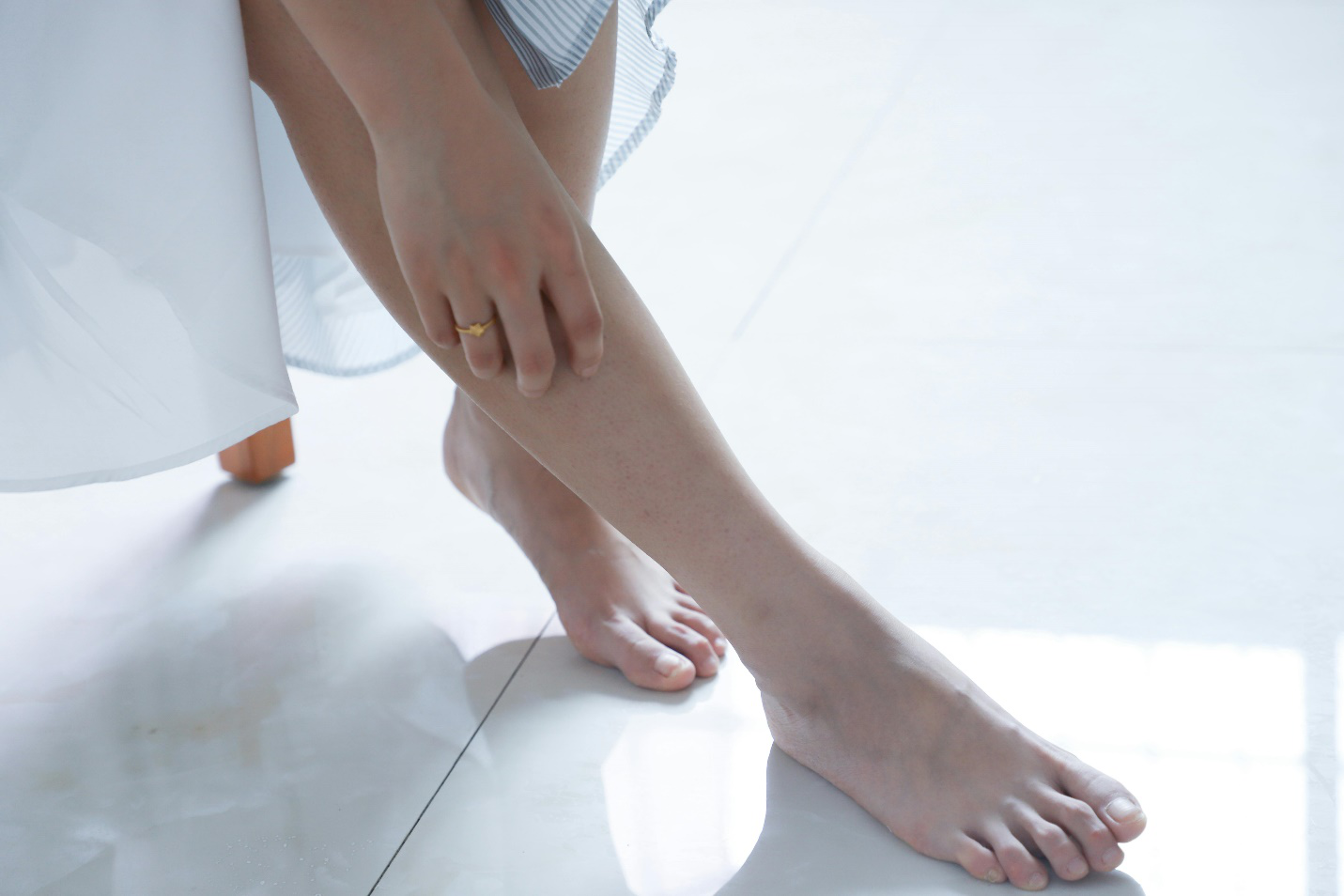
A common misconception about toenail fungus treatment is that visible improvement occurs immediately. In reality, healthy nail growth takes time. While treatment addresses the fungal infection, damaged portions of the nail must gradually grow out and be replaced by healthier nail tissue.
Toenails naturally grow more slowly than fingernails, which means noticeable changes may occur gradually over several months. Growth rates vary based on factors such as age, circulation, overall health, and individual biology.
Understanding the nail growth process helps establish realistic expectations. Patience is often an important part of achieving healthier-looking nails following treatment.
Summer Foot Care Tips to Support Healthy Nails
Good foot hygiene plays an important role in reducing the risk of fungal infections and supporting healthy nails. Maintaining clean and dry feet can help create an environment that is less favorable for fungal growth.
Changing socks regularly, wearing breathable footwear, and allowing shoes to dry completely between uses can help reduce moisture accumulation. Moisture management is particularly important during the summer months when temperatures are higher and sweating is more common.
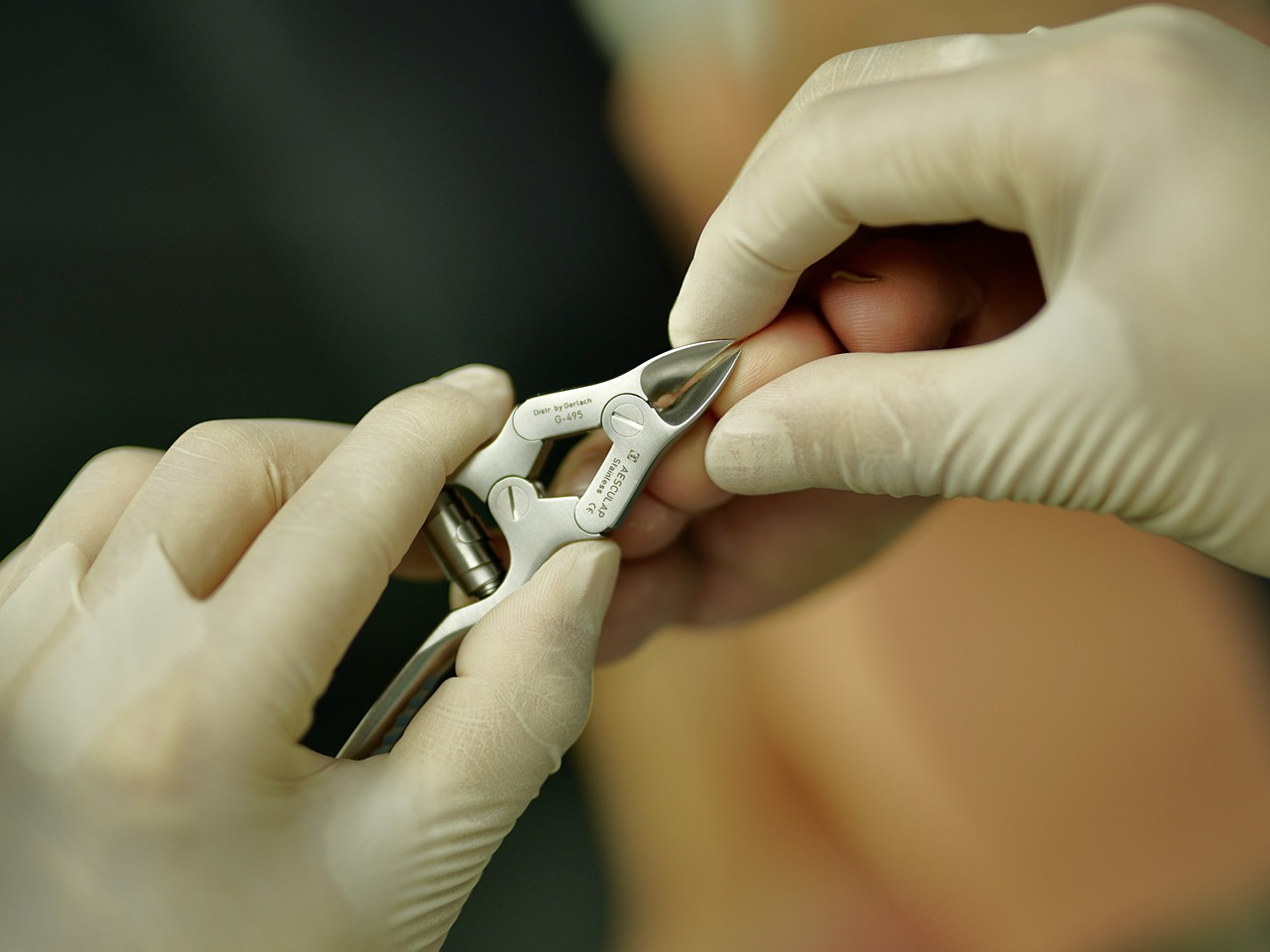
Additional preventive measures include wearing sandals in public showers, avoiding the sharing of nail care tools, and trimming toenails properly. These simple habits can contribute to healthier feet and support long-term nail health.
Summer Activities and Toenail Health
Summer activities often place additional stress on the feet. Swimming, hiking, sports, and prolonged periods of walking can expose feet to moisture, friction, and environmental conditions that affect nail health.
Individuals who participate in outdoor recreation should pay particular attention to foot hygiene and footwear choices. Properly fitted shoes, moisture-wicking socks, and regular foot inspections can help identify potential concerns before they become more serious.
Maintaining healthy nails during the summer is not only about appearance. Healthy nails contribute to overall foot health and may help reduce the likelihood of future complications associated with fungal infections.
Maintaining Healthy Nails Year-Round
Although summer often brings greater attention to nail appearance, healthy nail care should remain a year-round priority. Consistent hygiene practices, proper footwear, and regular nail maintenance can help support healthier nails throughout every season.
Monitoring nails for changes in color, texture, or thickness allows individuals to identify potential concerns early. Addressing symptoms promptly may help prevent infections from becoming more extensive over time.
Whether during summer or any other season, maintaining healthy nail habits can play an important role in reducing fungal risk and promoting long-term nail health.