What is Toenail Fungus?
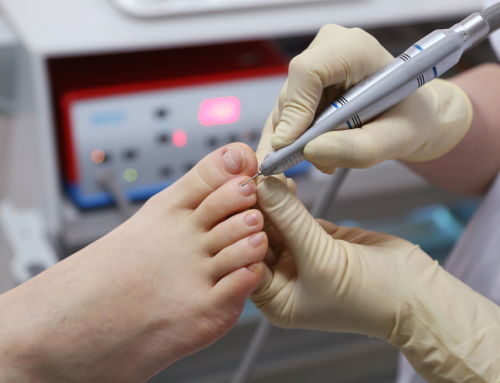
Toenail fungus is one of the most common nail disorders affecting adults worldwide. Medically known as onychomycosis, this condition develops when fungi invade the nail and surrounding tissues, often causing discoloration, thickening, brittleness, and changes in nail shape. Although the infection is rarely considered a serious medical emergency, it can be persistent and difficult to eliminate without appropriate treatment.
Fungal nail infections typically progress slowly, allowing them to remain unnoticed during the early stages. Over time, the infection can spread deeper beneath the nail plate, making treatment increasingly challenging. Understanding how toenail fungus develops, why it is difficult to manage, and the treatment options available can help explain the role modern technologies such as laser therapy play in fungal nail care.
Understanding Toenail Fungus
Toenail fungus occurs when microscopic fungi pass the nail through tiny openings in the nail plate or surrounding skin. Once inside, these organisms thrive beneath the nail, where they are protected by the dense keratin structure that forms the nail itself.
Fungi grow best in warm, dark, and moist environments. Because shoes and socks often create these conditions, feet are especially susceptible to fungal infections. Public places such as locker rooms, swimming pools, communal showers, and gym floors can also increase exposure to fungal organisms.
Several different microorganisms are capable of infecting toenails, including dermatophytes, yeasts, and non-dermatophyte molds. Among these, Trichophyton rubrum is responsible for most cases of onychomycosis.
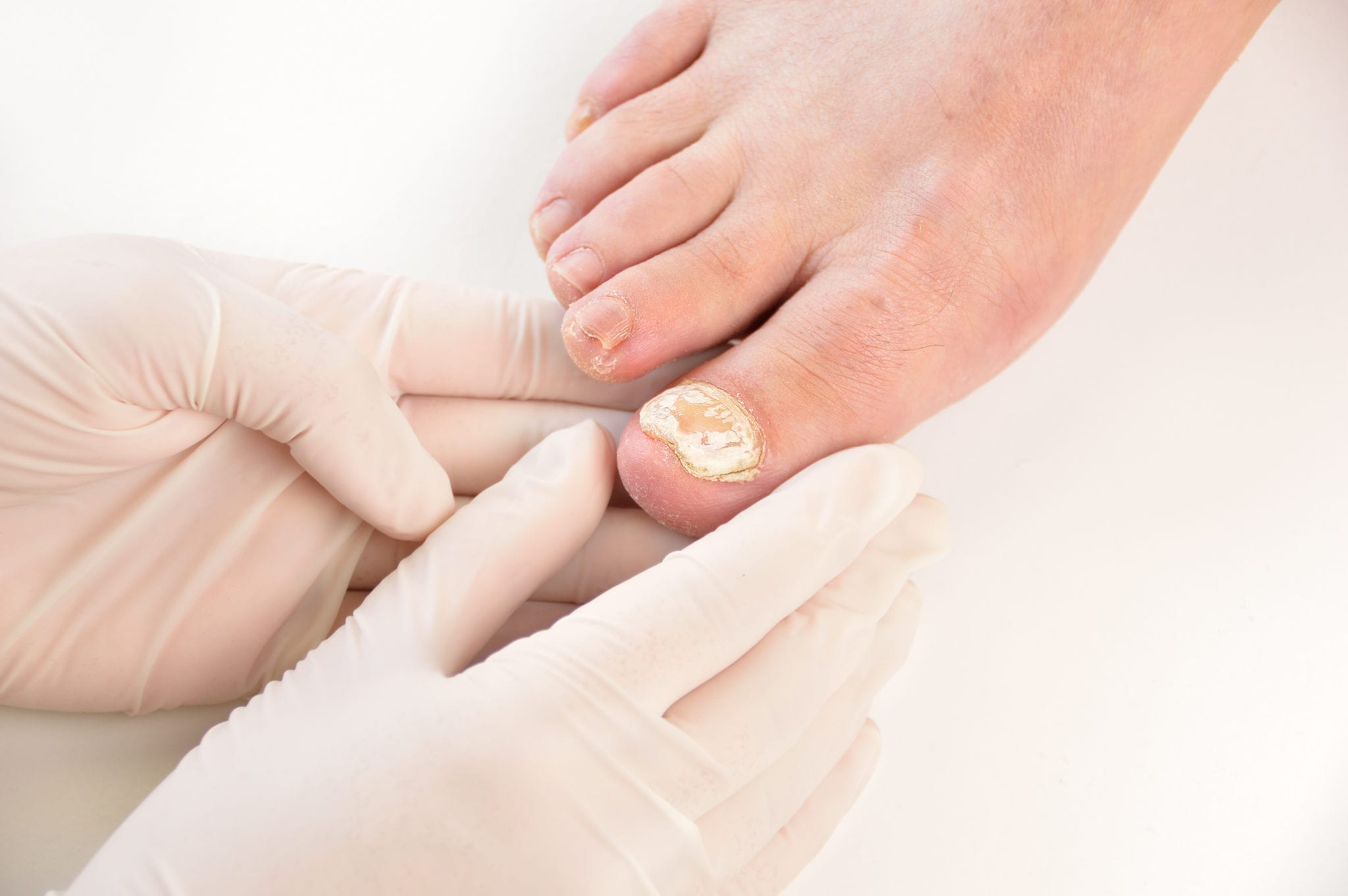
As the infection progresses, the appearance and structure of the nail gradually change. Common symptoms include:
-
Yellow, white, or brown discoloration
-
Thickened nails
-
Brittle or crumbly texture
-
Distorted nail shape
-
Debris accumulating beneath the nail
-
Separation of the nail from the nail bed
-
An unpleasant odor in some cases
Because fungal infections develop slowly, many individuals do not seek treatment until the nail has already sustained significant damage.
Why Toenail Fungus Can Be Difficult to Treat
One of the main reasons fungal nail infections are challenging to manage is the composition of the toenail itself. The nail plate consists of compact layers of keratin that serve as a protective barrier. While this barrier helps protect the nail from injury, it also limits how easily medications can reach the fungal organisms living beneath it.
By the time visible symptoms appear, the infection has often spread into the nail bed and surrounding tissues. Even when the surface of the nail begins to look healthier, fungal cells may still remain beneath the nail, increasing the possibility of recurrence.
Certain factors can increase a person’s risk of developing toenail fungus, including:
-
Advancing age
-
Diabetes
-
Reduced circulation
-
Excessive sweating
-
Frequent use of communal showers
-
Wearing tight-fitting footwear
-
Nail trauma
-
Athlete’s foot
-
Weakened immune function
These risk factors can make fungal infections more difficult to eliminate and may contribute to repeated infections over time.
Traditional Treatment Options
For many years, treatment for toenail fungus has generally fallen into three categories: topical medications, oral antifungal medications, and mechanical nail debridement. Each method has its own advantages and limitations depending on the severity of the infection and the individual’s overall health.

Topical Antifungal Treatments
Topical treatments are applied directly to the affected nail. They may be available as prescription lacquers, medicated solutions, creams, or over-the-counter products.
These medications are typically most effective when the infection is limited to a small portion of the nail. However, because the nail plate acts as a protective barrier, many topical products have difficulty penetrating deeply enough to reach the fungus beneath the nail.
Successful use of topical medications generally requires:
-
Consistent daily or weekly application
-
Several months of treatment
-
Regular trimming and maintenance of the affected nail
The overall effectiveness often depends on how advanced the infection has become before treatment begins.
Oral Antifungal Medications
Oral antifungal medications work differently by entering the bloodstream and gradually reaching the nail as it grows. Because they circulate throughout the body, they can reach areas beneath the nail that topical medications may not easily access.
These medications are often prescribed for several months to allow therapeutic levels to accumulate within the growing nail.
Before prescribing oral antifungal medications, healthcare providers typically review a patient’s medical history, as some medications may interact with other prescriptions or require monitoring of liver function during treatment.
Mechanical Debridement
Mechanical debridement involves trimming, thinning, or reducing the thickness of an infected nail using specialized instruments.
While debridement does not eliminate the fungal infection itself, it can improve comfort, reduce pressure inside footwear, and make other treatment methods more effective by decreasing the thickness of the nail.
This procedure is frequently used alongside other treatment approaches rather than as a standalone solution.
The Development of Laser Therapy
As researchers continued exploring alternatives to pharmaceutical treatments, laser technology emerged as another option for managing fungal nail infections.
Laser therapy is based on a scientific principle known as selective photothermolysis. This process involves delivering concentrated light energy into targeted tissue, where it is absorbed and converted into heat.
The goal is to expose fungal organisms beneath the nail to temperatures that may reduce their viability while minimizing effects on the surrounding healthy tissue.
Several laser systems have been introduced for fungal nail treatment over the years, including:
-
Nd:YAG lasers
-
Diode lasers
-
Dual-wavelength laser systems
-
Broad-beam laser platforms
Each system operates differently, using specific wavelengths and delivery methods designed to penetrate the nail and reach infected tissue.
Among these technologies, the PinPointe FootLaser became one of the first laser systems developed specifically for fungal nail treatment. Unlike many medical lasers that were adapted from other applications, this system was engineered with fungal nail infections in mind.
Laser therapy represents a non-pharmaceutical treatment approach that continues to be studied as research into fungal nail management advances. While the technology differs from topical and oral medications, all treatment methods share the same objective: reducing fungal activity while allowing healthy nail growth to gradually replace the damaged nail over time.
The Science Behind the PinPointe FootLaser
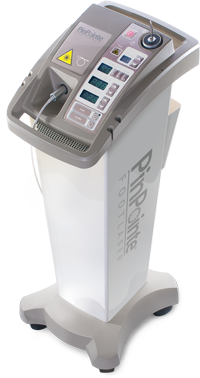
The PinPointe FootLaser is a specialized Nd:YAG laser system developed specifically for the treatment of fungal nail infections. It operates at a wavelength of 1064 nanometers, which allows laser energy to pass through the nail plate and reach the tissues beneath the nail where fungal organisms commonly reside.
One of the defining characteristics of the system is its focused beam and controlled pulse delivery. Rather than emitting a continuous stream of energy, the laser delivers multiple short pulses in rapid succession. This pulse-stacking technology allows heat to build within the targeted area while providing brief cooling intervals between pulses, helping to limit unnecessary heating of surrounding tissue.
The laser’s beam measures approximately 1.5 millimeters in diameter, allowing practitioners to systematically treat each portion of the affected nail with precision. By moving across the nail in a structured pattern, the treatment is designed to provide thorough coverage of the infected area.
Laboratory research has shown that elevated temperatures may impair fungal viability. The laser is designed to deliver energy beneath the nail plate, where fungal organisms are often protected from external treatments.
The Treatment Process
Before treatment begins, a healthcare professional typically assesses the affected nails to determine the severity of the infection. During this examination, a lot of areas may be noted, including:
-
The number of infected nails
-
Nail thickness
-
The severity of discoloration
-
Separation of the nail from the nail bed
-
Overall foot health
The nails are often cleaned and trimmed before treatment to improve access to the infected areas.
During the procedure, the laser is passed systematically across each affected nail and the surrounding tissue. Patients commonly describe the sensation as brief warmth, mild heat, or occasional tingling as the laser energy is delivered.
Because the treatment is generally well tolerated, anesthesia is typically unnecessary. Depending on how many nails are being treated, the procedure is often completed within approximately 30 minutes.
Following treatment, patients are usually able to resume their normal daily activities immediately, as there is generally no required recovery period associated with the procedure.
Why Precision Matters
The foot contains numerous delicate structures, including nerves, blood vessels, tendons, and surrounding soft tissue. A laser system intended for fungal nail treatment must deliver sufficient energy to the infected tissue while minimizing unnecessary exposure to healthy structures.
The focused beam used by the PinPointe FootLaser allows practitioners to treat the nail methodically using a grid-like pattern. This controlled approach helps provide more consistent coverage across the entire nail surface.
Because fungal organisms are not always distributed evenly beneath the nail, comprehensive treatment of the nail plate is an important aspect of the procedure.
Precision also contributes to patient comfort. By concentrating energy within a smaller treatment area, surrounding skin is exposed to less heat than would occur with a broader treatment beam.
What Happens After Treatment?
One of the most important concepts to understand is that reducing fungal activity and restoring the appearance of the nail are two separate processes.
Even if fungal organisms have been successfully targeted during treatment, the damaged nail does not immediately return to its normal appearance. Instead, improvement occurs gradually as healthy nail growth replaces the older damaged portions.
Toenails grow slowly, averaging only one to two millimeters each month. As a result, complete replacement of a damaged toenail may require:
-
Six months
-
Nine months
-
Twelve months
-
Longer in some cases, particularly for larger toenails
New nail growth begins at the cuticle, where the nail is produced. As healthy nails continue to grow forward, the previously damaged portions are gradually trimmed away during routine nail care.
The rate of improvement varies from person to person. Factors such as age, circulation, nutrition, overall health, and the severity of the original infection all influence how quickly the nail grows and how noticeable improvement becomes over time.

Factors That Influence Long-Term Results
Several factors can affect the long-term management of fungal nail infections after treatment.
Foot Hygiene
Maintaining clean and dry feet can help reduce conditions that allow fungi to thrive. Since fungal organisms prefer warm, moist environments, limiting prolonged moisture exposure may decrease opportunities for reinfection.
Proper footwear habits also play an important role. Shoes that remain damp after exercise or prolonged wear can create an environment that supports fungal survival. Allowing footwear to dry thoroughly between uses and selecting shoes that promote airflow may help reduce excess moisture.
Drying the feet carefully after bathing, swimming, or exercise is another simple practice that may help prevent fungal growth, particularly between the toes where moisture often remains trapped.
Additional Preventive Measures
Changing socks regularly can help reduce moisture accumulation throughout the day, especially for individuals who perspire heavily. Moisture-wicking fabrics are often recommended because they help direct sweat farther from the skin.
Public areas such as locker rooms, swimming pools, and communal showers may expose individuals to fungal organisms. Wearing sandals or shower shoes in these environments can reduce direct contact with contaminated surfaces.
Routine nail care also contributes to overall foot hygiene. Keeping toenails clean, properly trimmed, and free of excessive debris may help reduce areas where fungal organisms can establish themselves.
Because fungal spores may survive inside footwear, periodically disinfecting shoes may also be beneficial as part of a long-term foot care routine.
Although these preventive measures cannot eliminate every source of fungal exposure, they may help reduce the likelihood of future infections.
The Future of Fungal Nail Treatment
Research into fungal nail infections continues to advance as scientists explore new methods for improving treatment outcomes.
Current areas of investigation include next-generation laser technologies, enhanced topical medication delivery systems, photodynamic therapies, and combination treatment approaches that utilize multiple methods simultaneously.
Laser therapy remains an important area of interest because it offers a drug-free approach to delivering energy beneath the nail plate, where fungal organisms often reside.
As technology continues to evolve, future treatment systems may further improve precision, efficiency, patient comfort, and overall clinical outcomes.
Conclusion
Toenail fungus is a common condition that can alter the appearance, structure, and health of the nails. Once fungal organisms establish themselves beneath the nail plate, treatment becomes more challenging because the dense keratin structure limits access to the infection.
Traditional management options—including topical medications, oral antifungal drugs, and mechanical debridement—continue to play important roles depending on the severity of the infection and individual patient factors.
Laser therapy has introduced another approach to fungal nail treatment by using focused light energy to reach infected tissue beneath the nail. The PinPointe FootLaser was specifically developed for this purpose, combining a 1064-nanometer Nd:YAG wavelength with controlled pulse-stacking technology and precise energy delivery.
Regardless of the treatment method used, visible improvement requires patience. Because toenails grow slowly, healthy nail must gradually replace the damaged portions over many months. Maintaining good foot hygiene, practicing preventive care, and understanding the natural nail growth process all contribute to the long-term management of fungal nail infections.
As research continues and treatment technologies evolve, healthcare professionals will gain additional tools for managing one of the world’s most common nail conditions while improving the understanding of fungal nail disease and its treatment.