The Reality of Toenail Fungus: Trial and Error
The discolored, brittle, and thick toenails are a frustrating issue, and many waste months or even years trying different creams, oils, ointments, and home remedies without seeing significant improvement. Every new cream and oral medication promises healthier-looking nails, yet the appearance often remains unchanged. Over time, this cycle can become discouraging, leading many people to wonder whether they are doing something wrong or whether healthy nails are simply out of reach.
In reality, persistent nail problems are rarely caused by a lack of effort. The hardest challenge is that many common treatments struggle to reach the area where the problem actually exists. Understanding how the toenail is built and how different treatment approaches work helps explain why some methods have limited success while others are designed to reach deeper beneath the nail.
Understanding the Structure of the Toenail
Although a toenail may look like a simple protective covering, it is actually a multi-layered structure made up of numerous vital parts that work together.
The visible nail plate is composed primarily of tightly packed keratin, the same protective protein found in hair. This layer serves as a barrier shield against pressure, friction, moisture, and everyday wear and tear. Because its purpose is to keep outside substances from entering, it naturally acts as a barrier against many topical products.
Beneath the nail plate lies the nail bed, a living layer of tissue rich in blood vessels and nerves. This area supports the nail and provides many of the nutrients needed for healthy growth.
At the base of the nail sits the nail matrix, often referred to as the nail’s growth center. New nail cells are continuously produced here, gradually pushing older nail material forward. Since toenails grow at a slow pace, it can take many months for an entirely new nail to replace the old one.
When microorganisms begin growing beneath the nail, they usually thrive between the nail plate and the nail bed. Because this location is protected by the hard outer nail, reaching the affected area becomes a lot more difficult than treating a typical skin condition.

Why Surface Treatments Often Have Limited Results
rs, antifungal creams, essential oils, and various home remedies that have become popular online.
While these products may appear logical, they encounter a major obstacle almost immediately.
The nail plate itself.
Unlike skin, which allows certain medications to penetrate relatively easily, the nail is extremely dense and relatively impermeable. Its tightly packed keratin fibers are specifically designed to resist water and outside substances.
Imagine trying to water a plant while leaving the watering can on the roof of the house instead of placing it in the soil. No matter how much water is poured onto the roof, very little ever reaches the roots.
A similar principle applies to damaged toenails.
Applying medication onto the surface does not necessarily mean enough of the active ingredients can travel through the thick nail to reach the area beneath where microorganisms are growing.
As nails become thicker, this challenge becomes even greater.
Many damaged nails gradually increase in thickness over time. The extra layers of hardened keratin create an even larger barrier between the surface treatment and the underlying tissue.
Even products designed to penetrate the nail may only travel a very short distance before their movement slows dramatically. As a result, treatment often requires many months of consistent application, and even then, success varies widely depending on the severity of the condition.
Why Scrubbing and Soaking Rarely Address the Source
People frequently attempt to improve thick or discolored nails by scrubbing aggressively, soaking their feet, or using abrasive tools to remove surface discoloration.
Although these methods may temporarily improve the nail’s appearance, they generally do not eliminate the underlying cause.
Scrubbing primarily affects only the outermost layer of the nail. Soaking softens keratin for a limited amount of time but does not allow significant penetration into the deeper tissues. Likewise, trimming away loose or damaged portions of the nail removes visible material without necessarily addressing what remains underneath.
Because the underlying environment remains largely unchanged, the affected area may continue to produce abnormal nail growth over time

Understanding Oral Antifungal Medications
When topical treatments do not produce satisfactory improvement, healthcare providers may discuss prescription oral antifungal medications.
Unlike surface treatments, oral medications work from the inside out.
After ingesting the medication, it is absorbed through the digestive system and enters the bloodstream. Blood circulation then moves the medication throughout the body, including the tissues that produce new nail growth.
This method avoids the challenge of penetrating the nail plate because the medication reaches the nail from underneath rather than attempting to pass through the hardened surface.
However, treating a localized nail condition through the bloodstream presents its own considerations.
Since the medication circulates throughout the entire body, it affects much more than the toenail alone. Healthcare providers carefully evaluate each patient’s overall health before prescribing these medications because certain antifungal drugs may interact with other medications or require monitoring of liver function during treatment.
For some individuals, oral antifungal medications remain an appropriate option under medical supervision. Others may not be ideal candidates due to existing medical conditions, medication interactions, or personal preference.
Why Blood Flow Matters
Even when medication travels through the bloodstream, another important factor comes into play: circulation.
The toes sit at the farthest reaches of the body’s vascular system. Healthy circulation is essential for delivering oxygen, nutrients, immune cells, and medications to these distant tissues.
Factors such as aging, diabetes, peripheral vascular disease, smoking, or poor circulation can reduce blood flow to the feet. When circulation is diminished, healing processes may slow, and medications may take longer to reach the affected area.
This is one reason why toenail improvement often requires patience regardless of the treatment chosen.
Even after microorganisms are successfully eliminated, the damaged portion of the nail cannot simply become clear overnight. Instead, a healthy new nail must gradually grow forward from the nail matrix while the older damaged nail slowly moves toward the tip where it can eventually be cut away.
Because toenails typically grow only about one to two millimeters each month, complete replacement of a large toenail may require nine to eighteen months.
How Laser Technology Takes a Different Approach
Laser technology represents a fundamentally different treatment strategy.
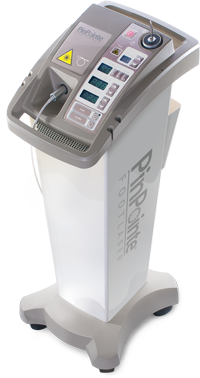
Rather than attempting to penetrate the nail from the surface or distribute medication throughout the bloodstream, laser devices deliver carefully controlled light energy through the nail plate.
Certain medical lasers are designed with wavelengths capable of passing through the relatively transparent keratin of the nail while interacting with deeper tissues beneath it.
Unlike creams or liquids, light does not rely on diffusion thro ugh thick layers of keratin in the same way. Instead, laser energy can reach areas below the nail plate where microorganisms commonly reside.
During treatment, the provider systematically passes the laser over each affected nail, allowing controlled pulses of energy to reach the underlying tissue.
The goal is to create an environment that is less favorable for fungal survival while minimizing injury to the surrounding healthy tissue.
Different laser systems operate using different wavelengths and treatment protocols, which is why individual experiences and outcomes may vary depending on the equipment used and the specific clinical situation.
Why Heat Is Part of the Process
One of the primary mechanisms involved during laser treatment is controlled heating.
As laser energy reaches targeted tissues beneath the nail, localized temperatures increase for brief periods. This carefully controlled thermal effect is designed to disrupt fungal organisms while allowing surrounding healthy tissue to dissipate heat between pulses.
Most patients describe the sensation as intermittent warmth or brief hot flashes during treatment. Some compare it to the snap of a small rubber band or a quick burst of heat that lasts only a second.
Providers continuously monitor patient comfort throughout the session and adjust treatment as needed.
Unlike invasive procedures, laser treatment typically does not involve cutting the nail, injections, or stitches.
Supporting Healthy Nail Growth After Treatment
Eliminating fungal organisms is only one part of the recovery process. Once the source of the problem has been addressed, the nail still requires time to regenerate. Since the nail plate cannot repair itself once it has become thickened or discolored, improvement depends on the production of healthy new nails from the nail matrix.
The nail matrix continuously creates new nail cells, which eventually push older nail material toward the tip of the toe. As a healthier nail grows forward, the damaged part of the nail is gradually trimmed off during routine nail care.
Because toenails grow much more slowly than fingernails, this process requires patience. Even after successful treatment, visible improvement develops gradually over several months rather than appearing immediately. This process takes a couple months up to a year.
Several factors influence how quickly a new nail grows, including age, circulation, nutrition, overall health, and whether additional trauma to the nail occurs during the recovery period.

What to Expect During a Typical Laser Session
Many people hesitate to explore laser treatment simply because they are unsure what the procedure involves. Understanding the process can help lessen uncertainty and provide realistic expectations.
Treatment usually begins with an examination of the affected nails. A healthcare provider evaluates the appearance of the nails, reviews medical history, and determines whether laser therapy is a professional and effective option. Since several conditions can resemble fungal nail infections, confirming that the patient has toenail fungus is an important first step.
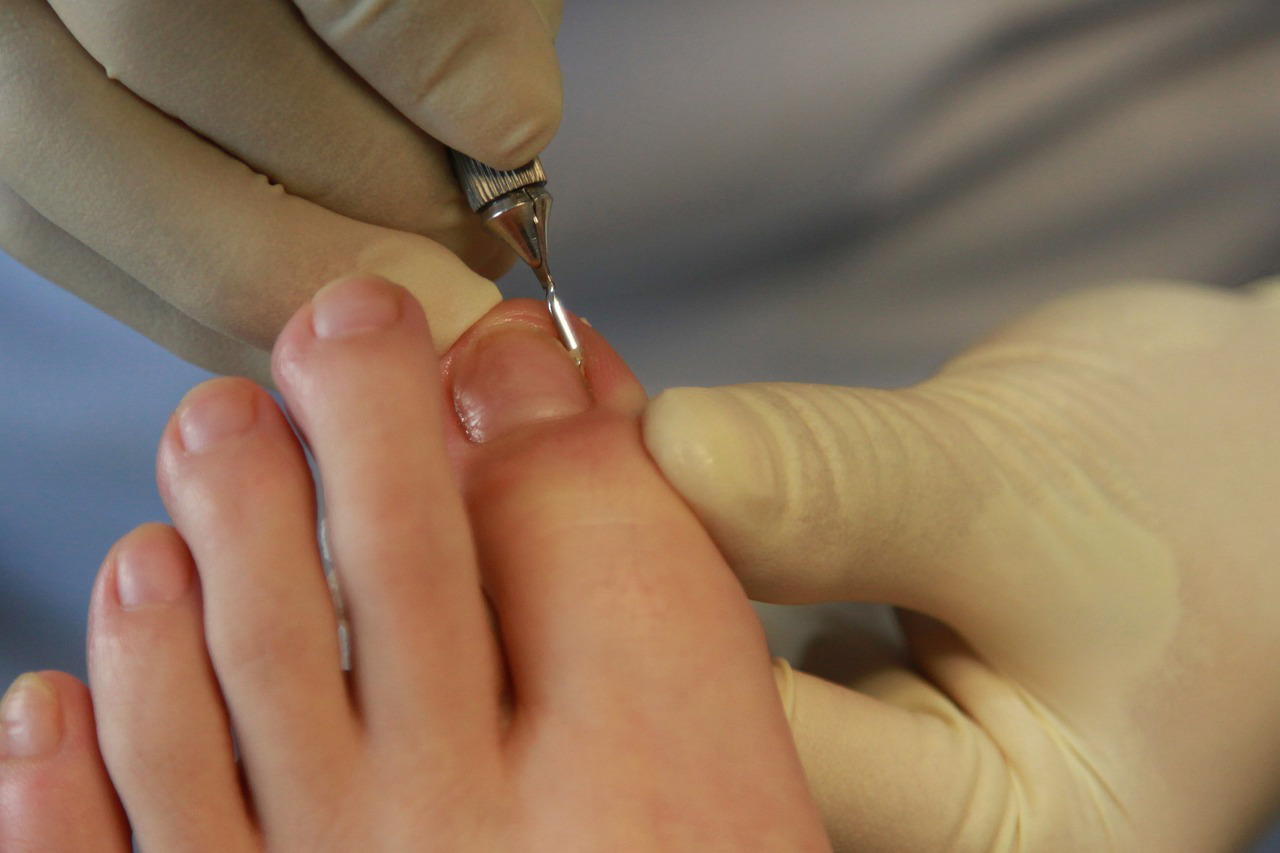
If the nail has become unusually thick, the provider may reduce some of the excess thickness using a specialized instrument. Thinning the nail allows light energy to travel through the nail plate more efficiently and may improve the effectiveness of treatment.
Once preparation is complete, protective eyewear is provided, and the laser handpiece is moved slowly across each affected nail in a systematic pattern. The provider carefully covers the entire nail surface as well as surrounding areas where fungal organisms may be present.
During treatment, patients commonly notice brief sensations of warmth that come and go as the laser passes over different areas. Most individuals tolerate the procedure well without requiring anesthesia.
A typical appointment usually lasts less than an hour, although treatment time depends on how many nails require attention.
One advantage of laser treatment is that normal activities can usually be resumed immediately afterward. Since there are no incisions or bandages, patients can generally return to work, drive, exercise, or continue their normal daily routine following the appointment.
Why New Nail Growth Takes Time
One of the most common misconceptions surrounding toenail treatment is the expectation of immediate cosmetic improvement.
Unlike skin, which can heal relatively quickly, nails grow at a much slower pace. Even if fungal organisms are no longer active, the damaged nail remains visible until it naturally grows out.
This gradual process often begins with a thin band of healthy nails appearing near the cuticle. Over the following months, this clear nail slowly advances toward the end of the toe while the older damaged nail continues moving outward.
Large toenails may take anywhere from nine to eighteen months for complete replacement, depending on personal growth rates.
Monitoring progress through photographs taken every few months can help patients appreciate gradual improvements that may be difficult to notice on a day-to-day basis.
Maintaining Healthy Nails After Treatment
Long-term success depends not only on treatment but also on reducing exposure to environments where fungi commonly thrive.
Fungal organisms prefer warm, dark, and moist environments, making footwear an ideal location for them to survive. Shoes that remain damp after exercise or prolonged wear may create favorable conditions for fungal growth.
Allowing shoes to dry completely between uses can help reduce moisture buildup. Rotating between multiple pairs of shoes gives each pair adequate time to air out before being worn again. Letting the pair of shoes air out in a well ventilated room is recommended.
Also, people choose to use shoe sanitizing sprays or ultraviolet shoe sanitizers to help reduce microbial contamination inside footwear.
Choosing the Right Socks
Socks play an important role in maintaining a healthy environment around the feet.
Traditional cotton socks absorb moisture but often retain it against the skin for extended periods. Excess moisture softens the surrounding tissues and creates conditions that may encourage fungal growth.
Moisture-wicking fabrics made from synthetic performance materials or merino wool help move sweat away from the skin more efficiently, allowing feet to remain drier throughout the day.
Changing socks after exercise or whenever they become damp is another simple habit that supports overall foot hygiene.
Protecting Feet in Public Spaces
Locker rooms, public showers, swimming pool decks, and gym changing areas are common environments where fungi may spread.
Walking barefoot on these surfaces increases direct contact with microorganisms that may already be present.
Wearing waterproof sandals or shower shoes creates a protective barrier between the feet and communal flooring, reducing unnecessary exposure.
After visiting these facilities, washing and thoroughly drying the feet—especially between the toes—helps minimize prolonged moisture.
Practicing Good Nail Care
Healthy nail habits contribute to maintaining clear nails over time.
Toenails should be trimmed straight across rather than rounded excessively at the corners. This helps reduce the likelihood of ingrown nails while maintaining the nail’s natural shape.
Clean nail clippers should be disinfected regularly, particularly if they are used on thickened or damaged nails. Sharing nail care tools should be avoided whenever possible.
Keeping feet clean and dry remains one of the simplest yet most effective strategies for promoting healthy nails.
Individuals who frequently experience sweaty feet may benefit from foot powders or moisture-controlling products recommended by their healthcare provider.
Supporting Overall Foot Health
Healthy nails are closely connected to overall foot health.
Conditions such as diabetes, poor circulation, or peripheral vascular disease can affect nail growth and increase susceptibility to nail disorders. Regular foot examinations become especially important for individuals with these medical conditions.
Wearing properly fitted shoes also helps reduce repeated trauma to the toenails. Shoes that are too tight place continuous pressure on the nail plate, while shoes that are too loose allow excessive movement and repeated impact against the front of the shoe.
Repeated trauma can weaken the nail and make it more vulnerable to future problems.
Maintaining good circulation through regular physical activity, smoking cessation, and proper management of chronic health conditions also supports healthier nail growth.
Understanding That Prevention Is Ongoing
Even after successful treatment, fungal organisms remain common in the environment. They can be found in shoes, locker rooms, swimming pools, and other communal areas.
For this reason, prevention should be viewed as an ongoing habit rather than a temporary task.
Simple measures such as keeping feet dry, disinfecting footwear, avoiding barefoot exposure in public spaces, and practicing proper nail hygiene can significantly reduce the likelihood of future infections.
These habits not only support nail health but also contribute to overall foot wellness.
Conclusion
Persistent thick, yellow, or brittle toenails can be frustrating, particularly when months of creams, oils, and home remedies fail to produce noticeable improvement. In many cases, the challenge lies not in a lack of effort but in the structure of the nail itself. The dense nail plate acts as a protective barrier, making it difficult for many topical treatments to reach the tissue beneath where fungal organisms commonly reside.
Different treatment options address this challenge in different ways. Topical medications attempt to penetrate the nail surface, oral medications deliver antifungal agents through the bloodstream, and laser technology uses concentrated light energy to reach beneath the nail plate without relying on either pathway.
Regardless of the treatment approach, healthy nail restoration requires patience. Toenails grow slowly, and visible improvement occurs only as new, healthy nail gradually replace older damaged tissue over several months.
Combining appropriate medical care with consistent foot hygiene, moisture control, proper footwear, and ongoing preventive habits provides the best opportunity for maintaining healthy nails over the long term. Understanding how toenails grow and how different treatment strategies work allows individuals to make informed decisions while setting realistic expectations for recovery and future nail health.